Why Choose 3D Printed PEEK Implants?

Why choose 3d printed peek implants? The answer begins with a material and a manufacturing method, but it does not end there. PEEK is a high-performance polymer used in selected medical applications. Its imaging properties can help clinicians assess surrounding anatomy with less metal-related artifact. Its stiffness is also lower than that of many implant metals, though it should not be described as identical to bone.

Additive manufacturing can create patient-specific shapes and carefully designed features. A digital model may help match an implant to a defect’s contours, while printed structures can support design choices that conventional machining may limit. The fit still depends on accurate scans, sound engineering, and surgical planning. Small differences matter.

The promise is real, but it needs context. A customized shape does not automatically mean better healing, fewer complications, or a superior result for every patient. Material grade, printing process, surface characteristics, sterilization, and quality controls all influence performance. Clinical evidence and regulatory clearance should be considered for the specific implant and intended use.

This guide explores where 3D-printed PEEK may offer practical advantages, what trade-offs deserve attention, and which questions patients and care teams can raise. It also recognizes a limitation: long-term outcomes may vary by procedure and patient. No single material is right for everyone. The most useful choice is the one supported by evidence, careful design, and an experienced clinical team.

Why Choose 3D Printed PEEK Implants?

What Are 3D-Printed PEEK Implants?

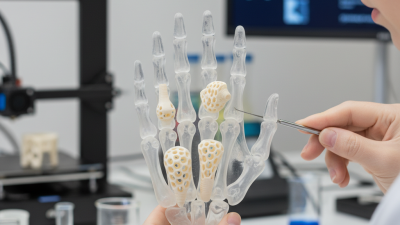
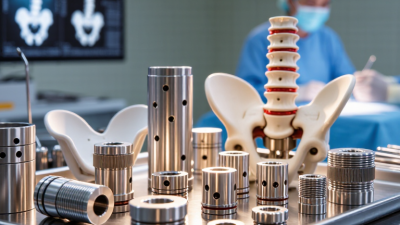
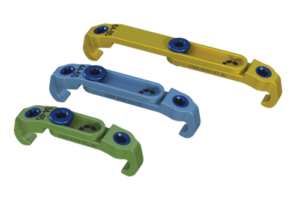
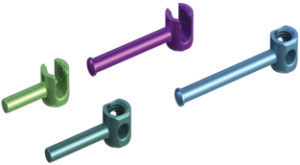
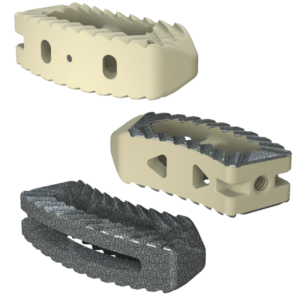
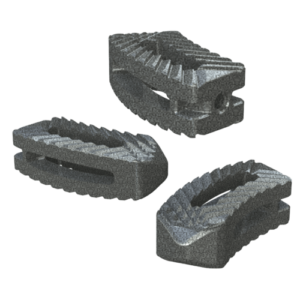
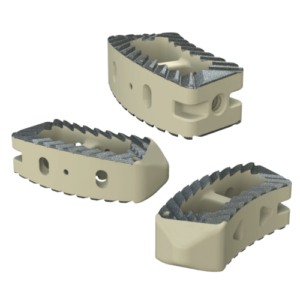
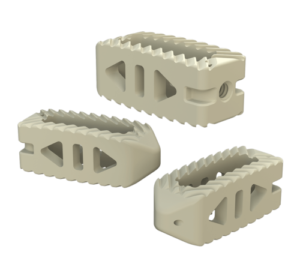
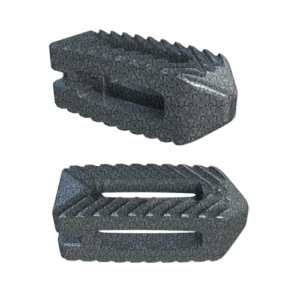
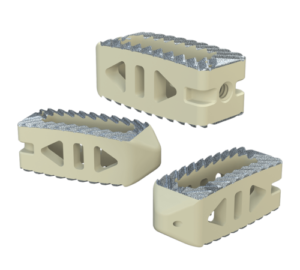
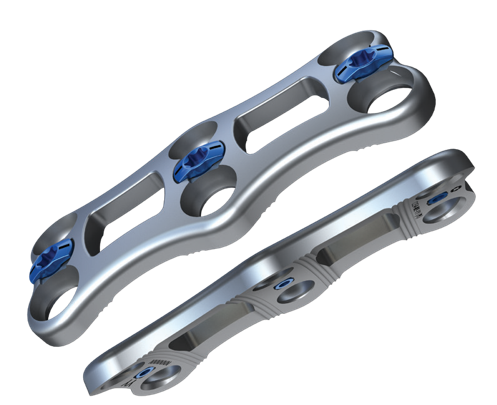
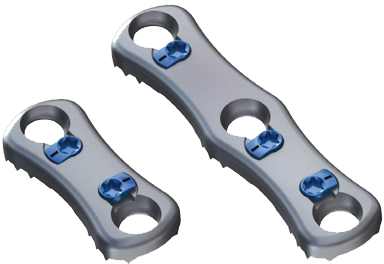
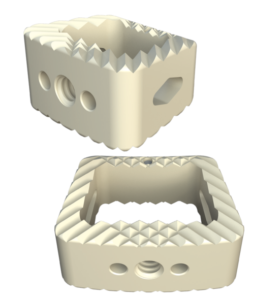
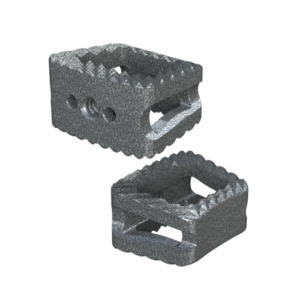
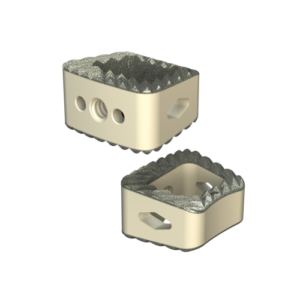
3D-printed PEEK implants are medical devices made from polyetheretherketone, a strong, heat-resistant engineering polymer. Additive manufacturing builds the implant in layers from a digital design. This can support complex shapes, including patient-matched contours or carefully designed openings. PEEK is radiolucent, so it generally causes less imaging interference than many metal implants. The exact effect depends on the imaging method and implant design.

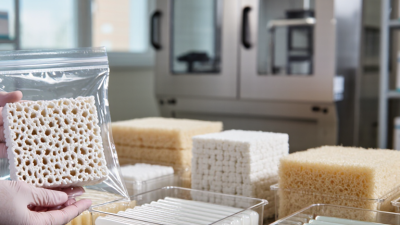
Tip: Ask how the implant’s fit, surface, and imaging visibility were assessed. Manufacturing details matter. Printed pores may be designed to support bone integration, but results depend on the structure, material processing, and clinical situation. A scan-based design also needs careful review by qualified clinicians; a close digital fit does not guarantee a perfect surgical fit.

Choosing printed PEEK is not automatically better. It may suit cases where a tailored shape or reduced imaging artifact is useful, but metals or other materials may be more appropriate in different situations. Strength, fatigue performance, sterilization, and long-term clinical evidence should all be considered. The material has limits, too. Decisions should be based on the patient’s anatomy, treatment goals, and advice from the care team.

How Are PEEK Implants Designed and Manufactured?

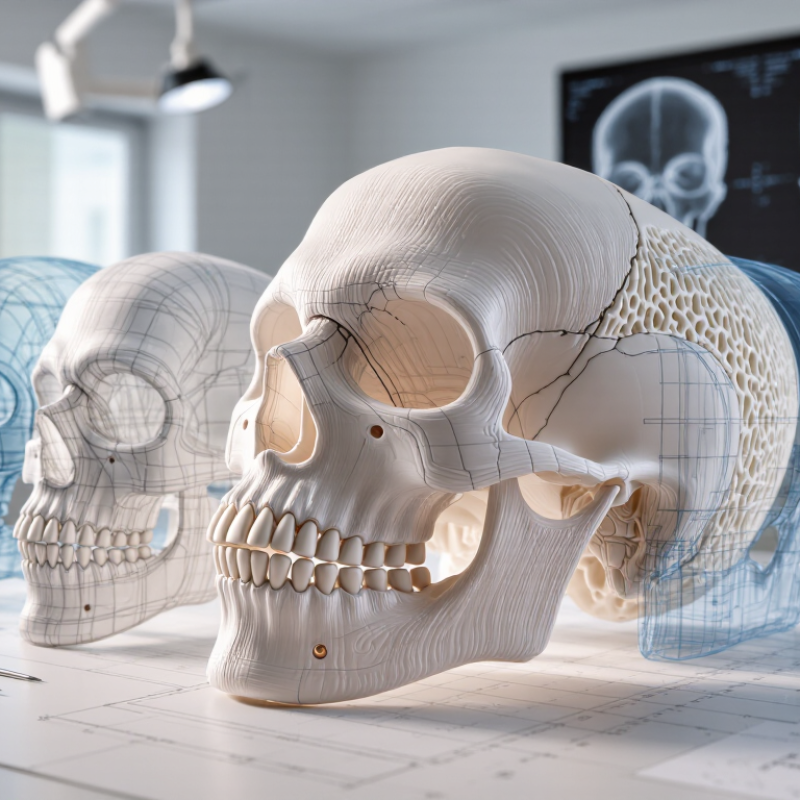
Design starts with anatomy, not the printer. CT scans are converted into a three-dimensional model, then reviewed for fit, screw paths, and contact with nearby tissue. Engineers may add internal lattice structures to reduce weight or encourage bone ingrowth, while keeping critical surfaces solid. These features need clinical judgment; more pores do not automatically mean a better implant. Kurtz and Devine’s review in Biomaterials (2007) reports a PEEK elastic modulus near 3.6 GPa, a useful design reference when considering stiffness against surrounding bone.

The file is then sliced into thin layers and printed under tightly controlled heat. Published thermal-characterization data place PEEK’s glass-transition temperature near 143°C and melting point near 343°C, so stable heating and cooling matter. Uneven cooling can cause warping or weak layer bonds. Small details matter. After printing, the implant may require support removal, machining, cleaning, and inspection of dimensions and internal features. ASTM F2026-17a covers PEEK polymers for surgical implants, but material compliance alone does not validate a finished printed device. Process records and device-specific testing remain essential. A practical limitation is easy to underestimate: a visually clean surface cannot reveal every flaw inside a dense printed part.

Which Material Properties Suit PEEK for Implants?

PEEK, or polyether ether ketone, is a strong, lightweight polymer used in selected implant applications. Its elastic modulus can be closer to that of cortical bone than some metals, which may help reduce stiffness mismatch. The actual effect depends on implant design, placement, and patient factors. It is not a guarantee against stress shielding.

PEEK is radiolucent, so it creates less interference on many X-ray and CT images than metal. Clinicians may find it easier to assess nearby bone and follow changes over time. The material is also chemically stable and can be biocompatible when the specific grade and finished device are properly evaluated. That sounds ideal. Still, untreated PEEK is relatively bioinert, so bone bonding may be limited without suitable surface features or treatment.

With 3D printing, designers can shape pores and contours for a particular anatomical need. But printed parts are not automatically uniform. Build direction, porosity, and post-processing can affect strength and surface quality. These details matter, especially under repeated loading. PEEK’s properties make it a useful option, not a universal one; material testing and clinical judgment remain essential.

Why Choose 3D-Printed PEEK Implants?

A comparison of representative Young’s modulus values highlights how PEEK’s stiffness differs from bone and titanium alloy.

PEEK has a representative modulus of about 3.6 GPa, compared with approximately 17 GPa for cortical bone and 110 GPa for Ti-6Al-4V. Cortical bone values vary with direction and measurement method; its reported modulus commonly spans roughly 7–30 GPa. Printed structure and implant design can also change the properties of a finished PEEK implant. Lower stiffness alone does not determine clinical performance.

What Benefits Can 3D-Printed PEEK Implants Offer?

Why Choose 3D Printed PEEK Implants?

What Benefits Can 3D-Printed PEEK Implants Offer?

A key benefit is the ability to tailor an implant’s shape to a patient’s anatomy. A close fit may help surgeons avoid extensive shaping during an operation. PEEK is also radiolucent, so it usually creates less interference on X-rays and CT scans than metal. That can make follow-up imaging easier to interpret. It is a useful advantage, though imaging markers may still be needed.

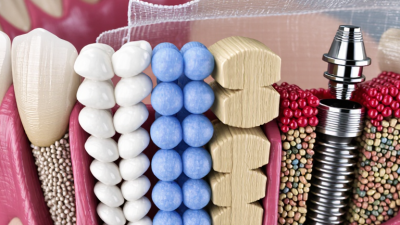
Depending on the design, 3D printing can create porous surfaces or internal structures that support bone contact. PEEK is relatively lightweight, and its stiffness is closer to bone than many metals. These properties may matter in selected reconstructions. They do not guarantee better healing. Outcomes depend on the patient, implant design, surgical technique, and manufacturing quality. The fit can be impressive; the evidence and suitability still need careful review. Not every case is a match.

Tips: Ask how the implant is tested, sterilized, and checked for fit. Discuss imaging needs and possible alternatives with a qualified surgeon. A custom shape is helpful, but it is not the whole decision.

What Factors Should Guide Their Clinical Use?

Why Choose 3D Printed PEEK Implants?

What Factors Should Guide Their Clinical Use?

Clinical use should start with the defect, not the printer. A cranial implant must match the patient’s anatomy, leave room for soft tissue, and allow secure fixation. For load-bearing sites, clinicians also need to assess expected forces, fatigue performance, and the consequences of implant failure. These factors matter more than a precise-looking surface alone.

Material data can help frame the decision. Kurtz and Devine’s 2007 review in Biomaterials reports an elastic modulus of about 3.6 GPa for PEEK, compared with roughly 110 GPa for titanium. PEEK is also radiolucent, which can make imaging easier to interpret. But those properties do not prove better outcomes for every patient. Published clinical evidence for patient-specific printed implants remains uneven, and design, manufacturing, sterilization, and fixation all affect performance. That uncertainty deserves attention.

Tips: Confirm the intended load and fixation plan with the surgical team. Review the implant’s validated manufacturing and sterilization process, then check fit against the patient’s imaging. A small edge mismatch can matter. Document follow-up imaging and complications; real-world results should inform future selection.