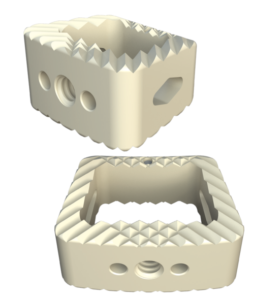
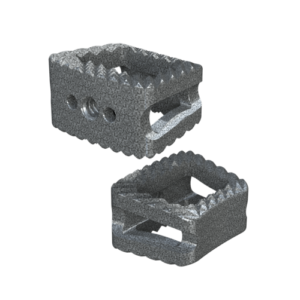
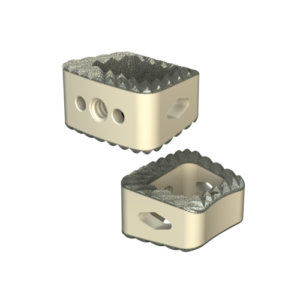
7 Best Lumbar Interbody Fusion Device Suppliers Worldwide

Choosing a supplier for lumbar interbody fusion devices is not a simple catalog exercise. These implants must fit surgical goals, patient anatomy, and the practical demands of the operating room. A small difference in implant shape or instrumentation can matter. So can dependable product information and technical support.

This guide introduces seven suppliers serving markets worldwide. It considers factors that healthcare teams and purchasing specialists may review, including product range, materials, design options, instrument availability, and published technical documentation. It does not treat supplier visibility as proof of clinical superiority. That distinction matters. Product availability and regulatory status can vary by country, while evidence and indications differ between devices. Readers should verify current information directly with manufacturers and qualified clinical or procurement professionals.

A useful comparison also looks beyond the implant itself. Can staff access clear instructions? Are compatible instruments available? Does the supplier provide practical support when questions arise? These details may shape the experience in real clinical settings. Still, no supplier list can replace case-specific judgment. The right choice depends on the patient, the surgeon’s assessment, institutional requirements, and the evidence relevant to the device. This overview aims to make that comparison more grounded, while recognizing that any ranking has limits. That is worth remembering.

7 Best Lumbar Interbody Fusion Device Suppliers Worldwide

Lumbar Interbody Fusion Devices: Purpose, Types, and Applications

Lumbar Interbody Fusion Devices: Purpose, Types, and Applications

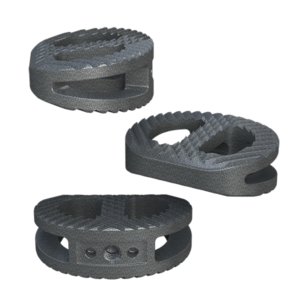
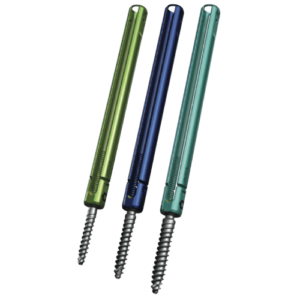
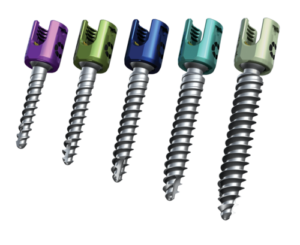
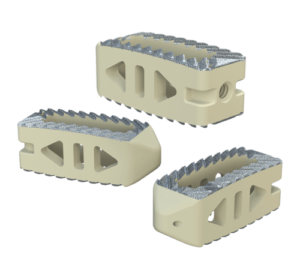
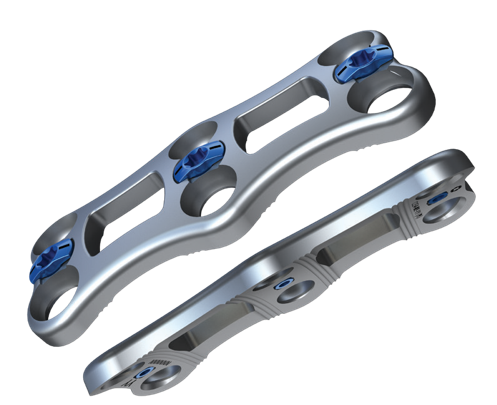
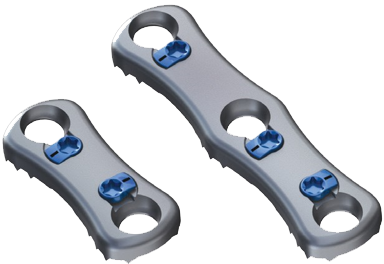
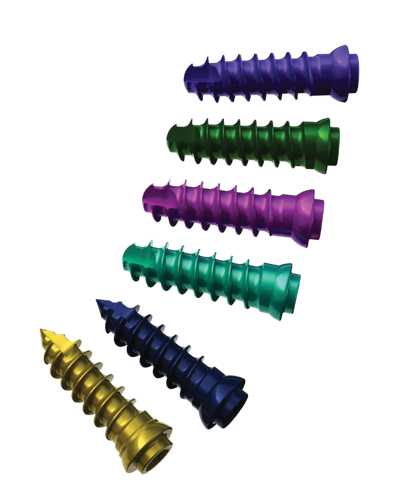
Lumbar interbody fusion devices support painful or unstable spinal segments by restoring disc height and encouraging bone growth. Surgeons remove damaged disc material, insert a cage, and often add screws or rods for stability. The cage can reduce nerve compression and improve spinal alignment. It is not a universal solution.

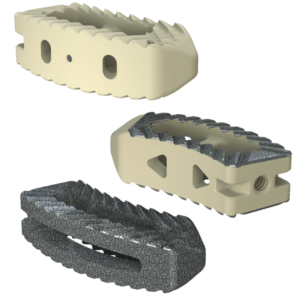
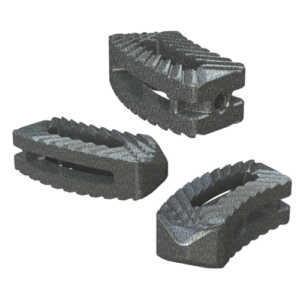
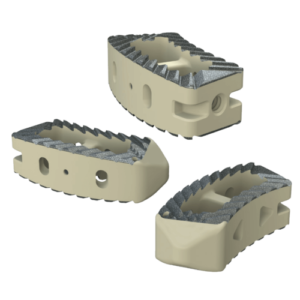
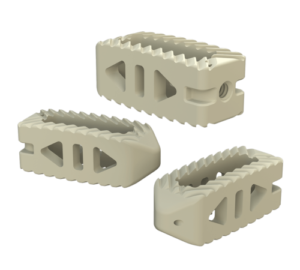
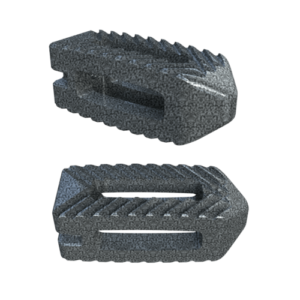
Common types include PLIF, TLIF, ALIF, and lateral approaches. Each route changes tissue disruption, nerve exposure, and access to the disc space. Materials usually include titanium alloys, radiolucent polymers, or combinations of both. Porous surfaces may help bone integration, while imaging-friendly materials improve postoperative assessment. Device selection depends on anatomy, bone quality, symptoms, and surgical experience.

Demand reflects a substantial clinical burden. The World Health Organization reported that low back pain affected 619 million people in 2020, with cases projected to reach 843 million by 2050. Fortune Business Insights estimated the global spinal implants market at about USD 9.87 billion in 2023, covering several implant categories. These figures indicate market scale, not proof that fusion benefits every patient. Evidence remains uneven. Some patients improve significantly, while others face nonunion, adjacent-segment problems, or persistent pain. Careful imaging, realistic expectations, and long-term follow-up still matter.

7 Best Lumbar Interbody Fusion Device Suppliers Worldwide — Lumbar Interbody Fusion Devices: Purpose, Types, and Applications

This supplier-neutral overview compares seven commonly used lumbar interbody device categories and surgical approaches. The rows describe device and procedure characteristics, not ranked suppliers or company-specific products. Device choice depends on patient anatomy, diagnosis, bone quality, and the treating surgeon’s judgment.

Device or Approach Type Typical Access Route Common Device Materials Typical Applications Key Considerations
Posterior Lumbar Interbody Fusion (PLIF) cage Posterior approach through the back, with access to the disc space from both sides of the spinal canal. Titanium, porous titanium, and radiolucent polymers such as PEEK; material availability varies by device. Interbody fusion for selected cases of degenerative disc disease, spondylolisthesis, or spinal instability. Provides posterior disc-space access; the procedure involves working near neural structures, so patient selection and surgical technique are important.
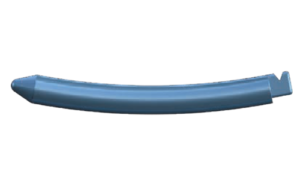
Transforaminal Lumbar Interbody Fusion (TLIF) cage Posterior approach, typically entering the disc space from one side through the foraminal region. Titanium, porous titanium, and radiolucent polymers such as PEEK. Fusion for selected lumbar degenerative conditions, including cases where posterior stabilization is also indicated. Often designed with an angled or curved profile to facilitate insertion through a unilateral corridor; exact geometry depends on the device.
Anterior Lumbar Interbody Fusion (ALIF) cage Anterior approach through the abdomen to reach the lumbar disc space. Titanium, porous titanium, and radiolucent polymers such as PEEK; some designs accept supplemental fixation. Interbody fusion at selected lumbar levels when anterior access is clinically appropriate. Can accommodate a relatively large footprint, but the anterior approach has distinct access-related risks and requires appropriate surgical planning.
Lateral Lumbar Interbody Fusion (LLIF) cage Lateral approach through the side of the body; access is commonly through the psoas region. Titanium, porous titanium, and radiolucent polymers such as PEEK. Selected lumbar fusion cases, particularly when a lateral route can provide access to the target disc level. Not suitable for every lumbar level or patient; the approach requires consideration of the psoas muscle and nearby nerves.
Oblique Lumbar Interbody Fusion (OLIF) cage Oblique, usually retroperitoneal corridor to the disc space, avoiding a direct trans-psoas route. Titanium, porous titanium, and radiolucent polymers such as PEEK. Selected lumbar interbody fusion procedures where an oblique access corridor is feasible. Approach feasibility depends on individual vascular and anatomical relationships; the route does not eliminate approach-related risks.
Expandable interbody cage May be used with posterior, transforaminal, anterior, or lateral approaches, depending on the specific design. Commonly titanium or titanium alloy; some designs use combinations of materials. Cases where a compact insertion profile followed by in-situ expansion is part of the surgeon’s plan. Expansion mechanisms and available dimensions differ. Expansion does not guarantee fusion or a particular clinical outcome.
Porous or additively manufactured interbody cage May be designed for use with posterior, anterior, or lateral approaches. Often porous titanium or titanium alloy; porous structures may be created through additive manufacturing. Interbody fusion when the selected cage design and material are appropriate for the planned approach and patient. Porous architecture and surface features vary by device. Material or surface design alone does not establish clinical superiority.

General educational information only. Surgical indications, device availability, regulatory status, and operative technique vary by jurisdiction and individual case.

Key Criteria for Evaluating Global Device Suppliers

When evaluating lumbar interbody fusion device suppliers worldwide, clinical evidence should carry serious weight. Look for peer-reviewed studies, meaningful follow-up periods, and outcomes that reflect real surgical settings. Evidence matters. A reliable supplier explains implant design, material properties, contraindications, and known complications without hiding uncomfortable details. Surgeons should also review whether the device supports different anatomy, surgical approaches, and bone quality.

Quality systems reveal how a supplier works behind the catalogue. Check manufacturing-site certifications, lot traceability, sterilization controls, and procedures for handling complaints. Ask how quickly the company investigates a suspected device problem. Regulatory clearance in one market does not guarantee suitability everywhere. Local registration, labeling, import rules, and post-market surveillance require careful verification. Support matters too. Assess instrument availability, operating-room training, technical assistance, and response times across different time zones.

Commercial stability deserves attention, but the lowest price can create expensive clinical risks. Compare total ownership costs, including instruments, replacement parts, training, and inventory requirements. Speak with independent surgeons when possible, not only sales representatives. A supplier may present polished data yet offer weak support after purchase. No scoring system is perfect. My own evaluation would include a trial period, documented references, and a written review after several cases. That process can expose small problems, such as unclear sizing guides or delayed loaner instruments, before they affect routine care.

7 Key Criteria for Evaluating Lumbar Interbody Fusion Device Suppliers

Suggested procurement weighting for comparing suppliers of lumbar interbody fusion devices

These suggested weights total 100% and provide a starting point for a procurement scorecard, not measured market results or ratings of individual suppliers. Adjust them to reflect clinical requirements, local regulations, and institutional priorities.

Profiles of Seven Leading Lumbar Fusion Device Suppliers

Lumbar interbody fusion suppliers differ in more than cage shape. MarketsandMarkets estimated the global spinal implants market at US$11.7 billion in 2023, with a forecast of US$15.9 billion by 2028. That broad category includes products beyond lumbar cages, so it is market context, not a measure of cage sales.

A useful seven-profile comparison starts with capability. One supplier offers broad implant portfolios for varied surgical approaches. Another focuses on porous titanium surfaces and bone integration. A third emphasizes radiolucent polymer cages, which allow clearer imaging around the implant. A fourth develops expandable cages for controlled placement. A fifth combines cages with graft materials and supporting instruments. A sixth prioritizes compact systems for minimally invasive procedures. A seventh competes through regional distribution and practical pricing. Fit matters. These are capability-based profiles, not claims that one design suits every patient.

Compare implant dimensions, material specifications, instrument handling, and clinical evidence. The FDA’s 510(k) database can help verify device clearances, but clearance alone does not establish superior outcomes. Ask suppliers for published clinical data and clear explanations of its limits. No catalog tells the whole story. Surgeon training, hospital inventory, and follow-up data also affect real-world performance. A weakness in this comparison is that public evidence may be uneven across suppliers; readers should treat marketing claims cautiously.

Regulatory Standards, Quality, and Clinical Evidence

Choosing a lumbar interbody fusion supplier requires more than comparing implant shapes or quoted prices. Regulatory requirements differ by market, so buyers should verify the device’s applicable clearances, technical documentation, and manufacturing records. Ask how each supplier manages design changes and tracks materials by lot. Small details matter. A clear traceability record can help a hospital investigate a concern without guesswork.

Quality systems deserve close attention. Review audit findings, sterilization validation, packaging integrity data, and procedures for handling nonconforming products. For a device that may sit on a shelf for months, confirm its labeled shelf life and storage conditions. These checks are not glamorous. They are practical. Still, a polished certificate alone cannot show how consistently a supplier controls production, and I would not treat paperwork as proof of clinical performance.

Clinical evidence should match the intended device, patient group, and surgical approach as closely as possible. Look for published studies with defined follow-up periods, reported complications, and transparent outcome measures. Bench tests can describe strength or fatigue behavior, but they do not replace patient data. Evidence may also be limited or uneven across regions; that deserves an honest discussion. Ask suppliers how they monitor post-market feedback and communicate safety updates. The answer should be specific, not a promise.

How to Select the Right Supplier for Surgical Requirements

7 Best Lumbar Interbody Fusion Device Suppliers Worldwide
How to Select the Right Supplier for Surgical Requirements

Choosing a lumbar interbody fusion supplier starts with the procedure, not a product ranking. Compare implant sizes, footprints, heights, and available surgical approaches against the surgeon’s planned technique and the patient’s anatomy. Check that compatible instruments are available, including trial implants and insertion tools. Small details matter. A handle that feels awkward in a gloved hand can slow a familiar workflow. Ask for current technical documentation, material specifications, sterilization information, and clear traceability procedures. A polished catalog is not enough.

Assess how the supplier supports daily clinical work. Confirm instrument-set availability, delivery schedules, replacement processes, and access to technical training. Ask how the supplier handles questions about device dimensions or compatible instruments, and request evidence supporting its product information. Hospital procurement and clinical teams should review applicable documentation together; requirements can vary by facility and region. Speak with users who have experience with the relevant procedure, while recognizing that one team’s preference may not fit another’s needs. It is easy to overvalue a broad product range. Consistent support and a dependable instrument workflow may matter more. Still, verify the details.