China Top 10 Surgical Instruments Manufacturers?
China’s surgical manufacturing sector includes producers of basic hand tools and specialized operating-room devices. This guide examines ten manufacturers serving domestic and international buyers. It is an informed starting point, not a universal ranking. Company capabilities, product lines, and export experience can change over time.
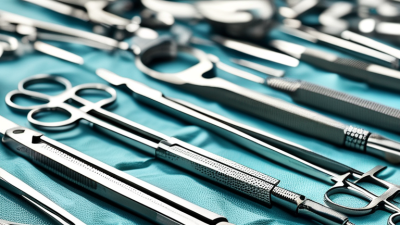
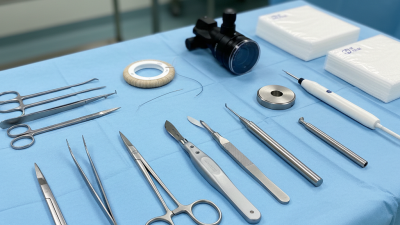
A useful comparison goes beyond catalogue photos. Buyers should examine instrument materials, joint movement, surface finish, dimensional consistency, and available traceability records. For reusable products, ask how the manufacturer validates cleaning and sterilization compatibility. Details matter. A smooth hinge and secure ratchet can affect handling during a long procedure, but specifications alone cannot prove real-world performance.
Surgeon and author Atul Gawande wrote, “The volume and complexity of what we know has exceeded our individual ability to deliver its benefits correctly, safely, or reliably.” His observation is not specific to surgery instruments, but it highlights why careful evaluation matters. This overview considers product range, manufacturing focus, quality documentation, and market presence. It also notes where publicly available information may be incomplete. Not every factory fits. Readers should verify current certifications, product claims, and service arrangements directly with each supplier before making decisions. A shortlist can guide research; it cannot replace clinical, technical, or procurement review.
China’s Surgical-Instrument Industry Within the RMB 1.35 Trillion 2023 Device Market
China’s Surgical-Instrument Industry Within the RMB 1.35 Trillion 2023 Device Market
China’s medical-device market was valued at about RMB 1.35 trillion in 2023. Surgical instruments form only one part of this broad market. That distinction matters. The headline figure does not measure instrument sales alone, nor does it show how revenue is distributed among manufacturers. Companies in this field produce items such as forceps, scissors, clamps, and reusable instrument sets. Their products serve operating rooms, clinics, and specialized care facilities.
Manufacturing capability can vary widely. Buyers should look beyond a catalog’s product count and examine material specifications, machining consistency, finishing, and inspection records. Small details matter: a hinge should move smoothly, and a handle should remain comfortable during repeated use. Ask how products are cleaned, packaged, and traced through production. These checks help assess reliability, but no single document replaces hands-on evaluation. Market scale is useful context, not proof of product quality. It is easy to overread the number.
Tips: Request samples and compare them under realistic handling conditions. Confirm intended use, maintenance instructions, and service support. For larger orders, agree on inspection criteria before production begins. A low price can be tempting, but unclear specifications may create avoidable problems.
China’s Surgical-Instrument Industry Within the RMB 1.35 Trillion 2023 Device Market
The chart shows the total China medical device market value cited in the headline. It provides market context and does not represent the surgical-instrument segment alone.
How to Rank 10 Manufacturers: NMPA Registrations, Revenue, Exports, and Reach
A credible top-ten list should begin with comparable evidence, not catalogue size or polished product images. NMPA registration records can help verify a manufacturer’s registered device categories and status. Check the certificate holder and product scope; a factory may not own every registration linked to its products. Count active records by meaningful product groups, not near-identical models. Small details matter.
Revenue adds commercial scale, but only when figures cover surgical instruments rather than an entire diversified business. Use dated filings or clearly identified company disclosures, and keep currencies and fiscal years consistent. Many private firms publish limited data. Treat estimates as estimates, not audited facts. Export figures can indicate market reach, yet customs records may name a trading company instead of the producer. Compare destination breadth and repeat shipments where reliable data exists.
Reach should include distributor coverage, service capacity, training, and access to replacement parts. A transparent score might assign 35% to registrations, 30% to relevant revenue, and 20% to exports. The remaining 15% could reflect documented reach. Weights remain judgment calls.
Publish source dates, definitions, and missing-data notes beside each score. Registration is not a substitute for independent performance testing. A ranking will still have rough edges.
Profiles of 10 Leading Chinese Makers: Product Lines, Specialties, and Locations
China’s surgical-instrument sector spans established medical hubs and specialist workshops. These ten location-based profiles describe common product strengths, not a verified ranking; catalogs and capabilities can change.
Shanghai makers often supply stainless-steel forceps, scissors, and general surgical sets. Suzhou producers may focus on minimally invasive tools and precision components. Changzhou workshops commonly serve instrument and medical-device supply chains. Yangzhou manufacturers are associated with reusable instruments and basic surgical kits. Hangzhou firms may combine instrument production with digital quality controls. Details matter.
Guangzhou suppliers can offer broad ranges for operating rooms and clinics. Shenzhen manufacturers often emphasize compact designs and newer production methods. Tianjin makers may produce general instruments alongside hospital equipment. Beijing-based firms can specialize in complex instruments and technical development. Chongqing producers may serve regional hospitals with practical, reusable tools. When comparing suppliers, check materials, sterilization compatibility, dimensional tolerances, and inspection records. A polished catalog alone is not proof of consistent quality. Verify each item against its current technical documents.
China Top 10 Surgical Instruments Manufacturers? — Profiles of 10 Leading Chinese Makers: Product Lines, Specialties, and Locations
| Profile |
Location |
Main Product Lines |
Specialty |
Typical Use Areas |
| Maker 01 |
Shanghai |
Reusable manual surgical instruments and instrument sets |
Broad surgical-instrument manufacturing, including general and specialist instrument categories |
General surgery and selected clinical specialties |
| Maker 02 |
Hangzhou, Zhejiang |
Minimally invasive surgical instruments, laparoscopic instruments, and related accessories |
Instrument systems designed for minimally invasive procedures |
Laparoscopic and endoscopic surgery |
| Maker 03 |
Chongqing |
Powered surgical instruments, handpieces, and endoscopic surgical equipment |
Powered tools and equipment for specialist surgical procedures |
Neurosurgery, orthopedics, and endoscopic procedures |
| Maker 04 |
Weihai, Shandong |
Orthopedic implants and related surgical instrument systems |
Procedure-specific instruments used with orthopedic implant systems |
Spine, trauma, and joint reconstruction |
| Maker 05 |
Shanghai |
Orthopedic surgical power tools and related surgical equipment |
Powered instrumentation for bone preparation and orthopedic procedures |
Orthopedic and trauma surgery |
| Maker 06 |
Xiamen, Fujian |
Orthopedic implants and associated instrument sets |
Procedure-based systems for orthopedic surgery |
Spine, trauma, and joint reconstruction |
| Maker 07 |
Shanghai |
Spinal implants and associated surgical instruments |
Instrument systems developed for spinal procedures |
Spinal fixation and related spine surgery |
| Maker 08 |
Beijing |
Electrosurgical generators, instruments, and accessories |
High-frequency surgical energy products and accessories |
General and minimally invasive surgery |
| Maker 09 |
Hangzhou, Zhejiang |
Electrosurgical equipment and related accessories |
High-frequency electrosurgical technology |
Soft-tissue cutting and coagulation procedures |
| Maker 10 |
Beijing |
Orthopedic implants and associated surgical instrument sets |
Implant-and-instrument systems for orthopedic procedures |
Spine and trauma surgery |
The profiles are presented without company or brand names and are not ranked. Product categories and locations are summarized at a general level; individual product availability may vary.
Quality Benchmarks: ISO 13485:2016 and ISO 7153-1 for Surgical Instruments
When assessing China’s leading surgical instrument manufacturers, buyers should examine documented quality controls, not catalog claims alone.
ISO 13485:2016 sets requirements for a medical-device quality management system, including traceability, risk management, and controlled production. The ISO Survey 2021 recorded 31,508 ISO 13485 certificates worldwide. That figure reflects certificates, not individual factories or proof that every instrument performs equally well.
A certificate is only a starting point.
ISO 7153-1:2016 addresses metallic materials used in surgical instruments. For a stainless-steel forceps or scissors, procurement teams can check material grades against the standard, then review mill certificates and incoming inspection records.
Ask how the manufacturer controls heat treatment, surface finishing, and corrosion testing after repeated cleaning and sterilization.
These details matter.
A polished surface may look sound but still conceal inconsistent processing.
Audit records, sample testing, and clear links between material batches and finished instruments provide stronger evidence than a certificate displayed on a wall. Even then, paperwork cannot replace hands-on evaluation; that gap deserves attention.
Comparing Manufacturers by 2023 Sales, Export Value, Registrations, and Patents
Comparing China’s surgical instrument manufacturers by 2023 sales, export value, registrations, and patents can reveal different strengths. Sales indicate business scale, but reported figures may cover different product ranges or subsidiaries. Export value shows overseas activity, though exchange rates and product mix can shift the comparison. A high figure alone proves little.
Registrations can show how widely products are cleared for sale, but counts depend on filing categories and markets. Patents offer clues about research activity, not proof that every design is clinically useful or widely adopted. Check reporting periods, data sources, and whether figures are independently verified. The comparison is helpful, but imperfect.
Tips: Compare like with like. Confirm whether sales are instrument-specific, distinguish export value from total revenue, and check registration dates and patent status. A simple spreadsheet can expose gaps: one company may lead in exports while another has broader registrations. Treat missing data as unknown, not as evidence of weak performance.





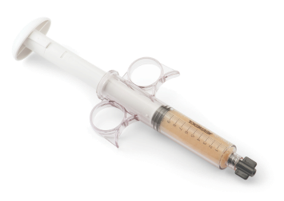
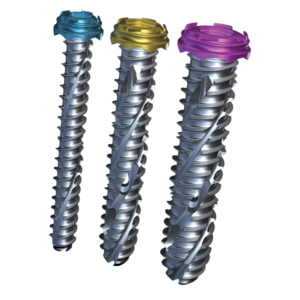

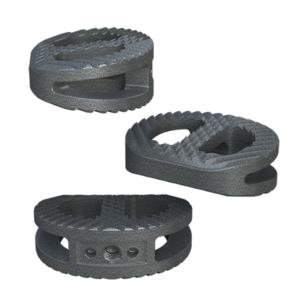 System Features
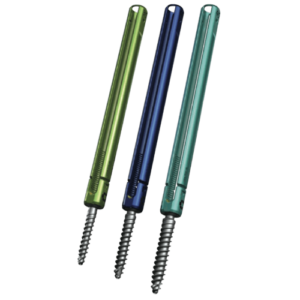 Key Features
 Key Features
 Key Features
 Key Features
 Key Features
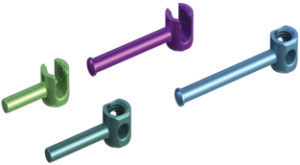 Key Features
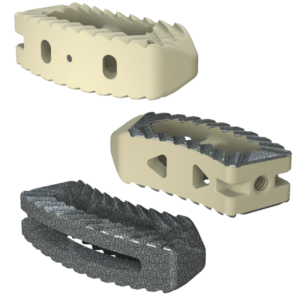
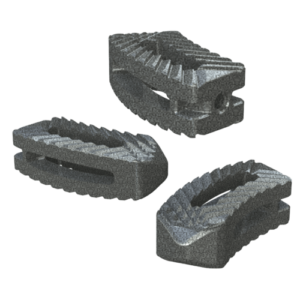
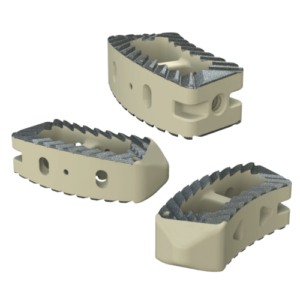
 Key Features
 Key Features
 Key Features