| 1 |
Sterile Surgical Gloves |
Protect the surgical field and reduce contact transmission between staff and patients. |
Powder-free, single-use, individually packed pairs; latex or synthetic options. |
Barrier integrity, tactile sensitivity, size range, ergonomic fit, latex-allergy controls, low protein content, and sterile packaging. |
EN 455 series; ASTM D3577; ISO 11137 or another validated sterilization standard. |
AQL for freedom from holes, tensile properties, package seal integrity, sterility, and expiration-date traceability. |
| 2 |
Sterile Surgical Gowns |
Provide a fluid-resistant barrier for the wearer and help maintain a controlled sterile field. |
Single-use gown, folded for aseptic donning, with waist and neck ties or fastening system. |
Protection level, liquid resistance, seam construction, breathable fabric, cuff design, size range, and sterile-pack presentation. |
ANSI/AAMI PB70; EN 13795-1; ISO 22610 for wet bacterial penetration where applicable. |
Critical-zone coverage, hydrostatic pressure, linting, seam strength, microbial barrier performance, and packaging integrity. |
| 3 |
Sterile Surgical Drapes and Packs |
Separate the operative site from non-sterile areas and manage fluids during procedures. |
Procedure-specific drapes or customized packs with fenestrations, adhesive edges, fluid pouches, and accessories. |
Absorbency, strike-through resistance, lint control, secure fixation, anatomical fit, pack customization, and waste reduction. |
EN 13795-1; ISO 22610; relevant national requirements for sterile barrier systems. |
Fluid penetration, bacterial barrier performance, drape strength, adhesive performance, labeling, and sterile-pack seal quality. |
| 4 |
Sterile Surgical Masks and Respirators |
Limit emission and inhalation of infectious particles according to the procedure and risk assessment. |
Single-use three-layer masks with ear loops or ties; higher-filtration respirators for selected risks. |
Bacterial filtration, particulate filtration, breathability, splash resistance, fit, comfort, and reliable nose-clip performance. |
EN 14683 for medical masks; ASTM F2100; applicable respiratory-protection requirements for respirators. |
Filtration efficiency, differential pressure, splash resistance, biocompatibility, strap strength, and package cleanliness. |
| 5 |
Sterile Skin Preparation Applicators |
Prepare intact skin before incision or invasive procedures in accordance with local clinical protocols. |
Single-use sterile applicator, sponge, or swab containing an approved antiseptic formulation. |
Validated antimicrobial activity, application area, drying time, compatibility with skin, and clear contraindication labeling. |
Applicable national medicinal-product or medical-device rules; ISO 10993 where relevant to material safety. |
Active-ingredient concentration, sterility, leakage prevention, lot traceability, flammability warnings where applicable, and expiration date. |
| 6 |
Sterile Instrument and Tubing Sets |
Deliver fluids, irrigation, suction, or other procedural functions while reducing assembly time and contamination risk. |
Procedure-specific sterile tubing, connectors, filters, clamps, and protective caps in a sealed pack. |
Connector compatibility, flow rate, kink resistance, leak prevention, material safety, and clear setup instructions. |
ISO 80369 for small-bore connectors where applicable; ISO 10993; applicable sterile-barrier requirements. |
Pressure and leak testing, dimensional verification, particulate control, sterility, connector fit, and packaging integrity. |
| 7 |
Sterile Electrosurgical Accessories |
Support controlled cutting or coagulation while helping manage electrical safety risks. |
Sterile active electrodes, cables, pencils, grounding electrodes, or procedure-specific accessories. |
Generator compatibility, cable insulation, adhesion, thermal performance, connector design, and clear single-use labeling. |
IEC 60601-2-2; ISO 10993; applicable electrical safety and medical-device regulations. |
Electrical continuity, insulation integrity, attachment strength, heat resistance, sterility, and package seal testing. |
| 8 |
Sterile Suction Catheters and Yankauer Tips |
Remove blood, irrigation fluid, and other materials from the operative field or airway. |
Individually sterile catheter or rigid tip with connecting tubing and protective packaging. |
Suction performance, atraumatic tip design, lumen size, kink resistance, connector fit, visibility, and latex-free materials. |
ISO 10993; applicable requirements for sterile, single-use suction devices and medical tubing. |
Flow testing, dimensional accuracy, connector security, blockage resistance, sterility, and packaging integrity. |
| 9 |
Sterile Wound Closure Products |
Approximate tissue edges after incision or trauma and support controlled wound healing. |
Sterile sutures, skin staplers, clips, or adhesive closure strips in procedure-ready packs. |
Absorbable or non-absorbable material, tensile retention, needle geometry, handling, tissue response, and size availability. |
United States Pharmacopeia suture requirements where applicable; ISO 10993; relevant national device regulations. |
Needle attachment, knot-pull strength, diameter, sterility, package integrity, lot traceability, and expiration labeling. |
| 10 |
Sterilization Packaging and Chemical Indicators |
Maintain sterility after processing and provide visual evidence that a sterilization cycle has been exposed to specified conditions. |
Sterilization pouches, reels, wraps, trays, indicator tape, and internal or external chemical indicators. |
Process compatibility, seal strength, barrier performance, clean opening, indicator readability, and storage durability. |
ISO 11607-1 and ISO 11607-2; ISO 11140 series for chemical indicators; ISO 17665, ISO 11135, or ISO 11137 as applicable. |
Seal integrity, burst or peel strength, indicator accuracy, material compatibility, lot control, and event-related shelf-life validation. |










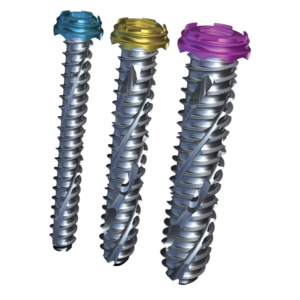

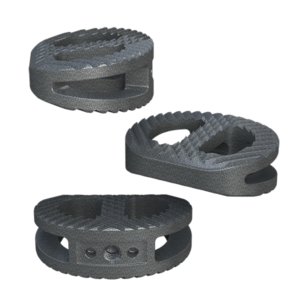 System Features
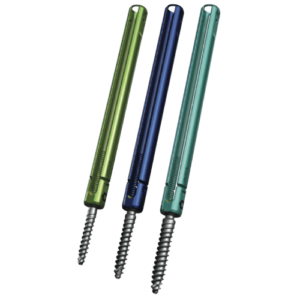 Key Features
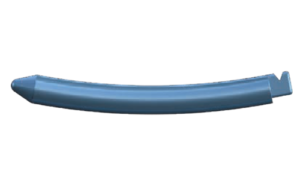 Key Features
 Key Features
 Key Features
 Key Features
 Key Features

 Key Features
 Key Features
 Key Features