China Top 10 Surgical Products Suppliers for Buyers

Surgical products are not a single category. They include instruments, sterile consumables, operating-room equipment, and products used in wound care. The World Health Organization’s Global Atlas of Medical Devices describes a market with millions of device types across thousands of generic groups. That scale makes supplier selection more than a price comparison. Buyers must check product specifications, quality systems, traceability, and the supplier’s ability to provide consistent documentation.

This guide introduces ten China-based suppliers for buyers seeking surgical products. It is intended as a starting point, not an endorsement. MedTech Europe’s industry report, The European Medical Technology Industry in Figures 2024, provides wider market context, while WHO publications emphasize the importance of access, safety, and appropriate device oversight. For individual suppliers, buyers should verify current certifications, manufacturing scope, sample quality, lead times, and export experience directly. A polished catalogue is useful, but it cannot prove that a delivered instrument matches its stated grade or finish. Ask for evidence, and compare it with your own technical requirements. That matters.

Supplier rankings can also miss important details. A smaller manufacturer may offer responsive communication, while a larger exporter may have broader product coverage. Neither advantage guarantees a good fit. Not every claim holds. Treat the list as a research aid, confirm information independently, and assess products against applicable standards and local procurement requirements before ordering.

China Top 10 Surgical Products Suppliers for Buyers

Understanding China's Surgical Products Supply Landscape

China’s surgical products supply landscape is broad, covering single-use items, reusable instruments, and equipment for operating rooms. Suppliers vary in manufacturing scale, product focus, and export experience. Buyers may find several factories offering similar products, yet small differences in materials, packaging, and production controls can affect consistency.

Details matter. Ask how a supplier manages incoming material checks, production records, and final inspection. Request relevant product documentation and confirm that it matches the exact model and intended market. Documents are useful, but they do not replace practical checks. A sample can reveal details that a catalogue cannot, such as grip comfort, package seals, or how clearly product information is printed. Verify sterilization claims and traceability records where applicable.

Delivery planning deserves equal attention. Confirm production lead times, carton quantities, and how delays are communicated. A low quotation may not reflect the full cost of inspection, freight, or packaging changes. Some supplier information can be incomplete or difficult to compare, and buyers should allow time to verify it. That takes time. A clear specification sheet and a written quality agreement can reduce misunderstandings, though neither guarantees a problem-free order.

Key Surgical Product Categories for International Buyers

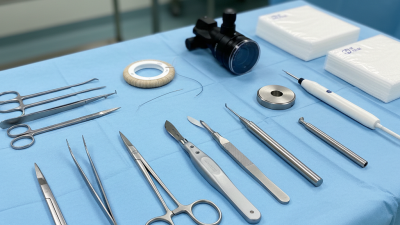
International buyers often begin with broad categories: reusable instruments, single-use accessories, wound-closure materials, sterile barriers, and selected implants. Each supports a different workflow, so compare intended use, materials, dimensions, and packaging—not price alone. Check jaw alignment. For sutures, review absorbability, needle geometry, thread size, and stated shelf life. Sterile gowns, drapes, and procedure packs should arrive with intact seals and clear lot identification. Small details matter.

Ask suppliers for current specifications, inspection records, sterilization information where applicable, and shipping conditions. Confirm that documents match the exact product code and configuration; similar descriptions can conceal meaningful differences. For instruments, inspect the finish, hinge movement, and cleaning guidance. For disposable items, check unit counts, carton dimensions, and packaging that protects products in transit. Samples can reveal handling issues, but they cannot prove consistent production. That distinction is easy to miss. Buyers should also verify destination-market registration and import requirements with qualified local professionals. Specifications alone cannot show how a tool feels in a surgeon’s hand.

How to Evaluate and Compare Chinese Suppliers

Evaluating Chinese surgical product suppliers begins with a precise product specification. List materials, dimensions, intended use, packaging, and required quality records. Ask whether the supplier manufactures the item or sources it from another factory. Request a current facility address, production-flow description, and sample batch records. Small details matter. For example, compare label information and package seals on samples with the documents supplied. Ask for evidence, not only polished presentations.

Review quality-system certificates and verify their scope, dates, and issuing bodies. Request inspection or test reports tied to identifiable batches, plus an explanation of how defects and production changes are handled. Compare sample quality, order minimums, lead times, and responses to technical questions. A quick reply is useful, but clear, consistent answers matter more. Check whether the supplier can provide documentation suited to your target market, then confirm details with qualified regulatory professionals where needed. A scorecard helps, though it can hide weak points; a low price may look convincing until packaging, inspection, or delivery assumptions become clear. Ask difficult questions early, and record what remains uncertain.

China Top 10 Surgical Products Suppliers for Buyers - How to Evaluate and Compare Chinese Suppliers

Category-based comparison guide, not a ranked list of named companies. Requirements vary by product and destination market; verify each supplier’s current documents, product scope, and regulatory status before purchasing.

No. Supplier Category Typical Products Relevant Standards or Regulatory Checks Evidence to Request Key Comparison Points
1 Surgical Instrument Suppliers Scalpels, forceps, scissors, clamps, needle holders, and instrument sets Check applicable requirements for the instrument and market. ISO 7153-1 covers metallic materials used in surgical instruments. Product specifications, material grade, inspection records, sterilization information where applicable, and destination-market registration documents Material traceability, finish and edge quality, dimensional consistency, corrosion resistance, and availability of reusable-instrument care instructions
2 Surgical Suture Suppliers Absorbable and non-absorbable sutures, with or without needles Confirm applicable medical-device requirements and biological evaluation for the finished product, including relevant parts of the ISO 10993 series. Product technical file, material and needle specifications, sterilization validation summary, shelf-life evidence, and market-specific authorization Suture material and size range, needle attachment, packaging integrity, sterilization method, and evidence supporting stated shelf life
3 Wound Dressing Suppliers Gauze, absorbent dressings, adhesive dressings, and advanced wound-care products Check product-specific testing and regulatory classification. The EN 13726 series includes test methods for wound dressings. Composition and performance specifications, test reports relevant to product claims, biocompatibility information where applicable, and registration documents Absorbency, construction, adhesive performance where relevant, packaging, intended use, and consistency between test evidence and product claims
4 Surgical Glove Suppliers Sterile, single-use surgical gloves made from rubber or other specified materials ISO 10282 applies to single-use sterile rubber surgical gloves; confirm the standard and edition required in the destination market. Product test reports, material and allergen information, sterilization records, lot traceability, and applicable market authorizations Size range, barrier integrity, fit and dexterity, packaging, powder status, and lot-to-lot quality controls
5 Surgical Gown and Drape Suppliers Surgical gowns, drapes, procedure packs, and related protective products EN 13795-1 specifies requirements and test methods for surgical clothing and drapes used as medical devices; confirm applicability and market requirements. Product classification, performance test reports, material specifications, manufacturing controls, and sterilization validation for sterile products Barrier performance, liquid resistance, strength, linting, size and pack configuration, and clarity of sterile/non-sterile labeling
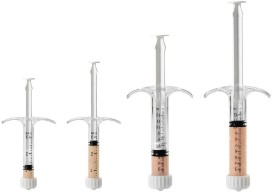
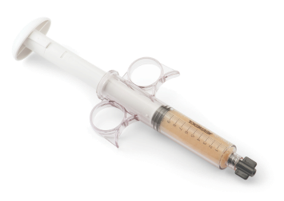
6 Syringe and Needle Suppliers Single-use syringes, hypodermic needles, and related injection products ISO 7886-1 covers sterile hypodermic syringes for single use. Check additional product-specific and destination-market requirements. Dimensional and performance test reports, sterilization evidence, packaging validation, batch records, and product registration information Graduation accuracy, plunger movement, needle dimensions and sharpness, connection compatibility, and packaging integrity
7 Electrosurgical Equipment Suppliers Electrosurgical units, accessories, electrodes, and patient return electrodes IEC 60601-2-2 addresses particular requirements for the basic safety and essential performance of high-frequency surgical equipment and accessories. Applicable electrical safety and EMC test reports, risk-management documentation, instructions for use, and destination-market device authorization Intended functions, accessory compatibility, safety features, service support, and availability of validated technical documentation
8 Endoscopy and Minimally Invasive Device Suppliers Endoscopes, laparoscopic instruments, and related reusable or single-use devices Check applicable parts of the ISO 8600 series for endoscopes and IEC 60601-2-18 where applicable to endoscopic equipment. Product specifications, compatibility information, electrical safety evidence where relevant, reprocessing instructions, and regulatory documents Image or instrument performance, compatibility with stated systems, reprocessing validation, durability, and technical service capability
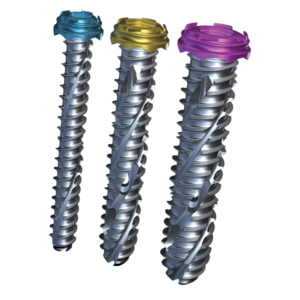
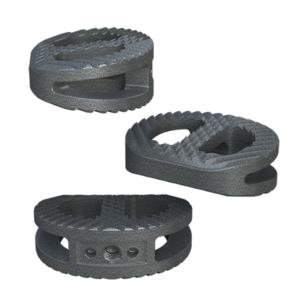
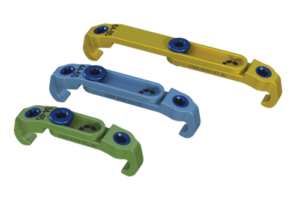
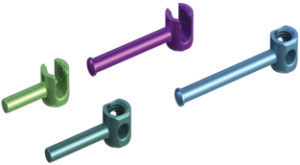
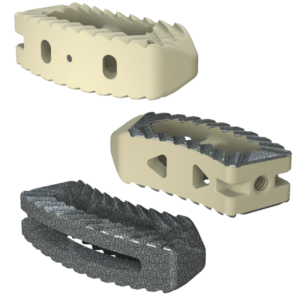
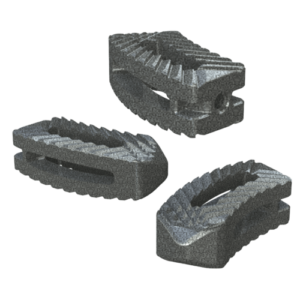
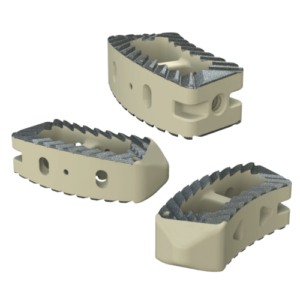
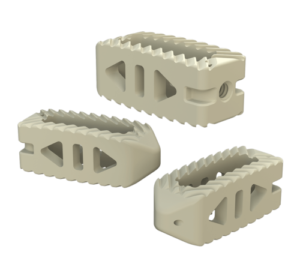
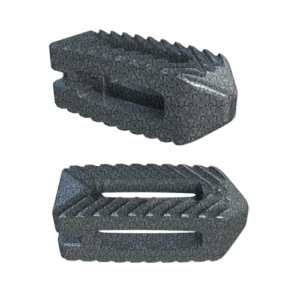
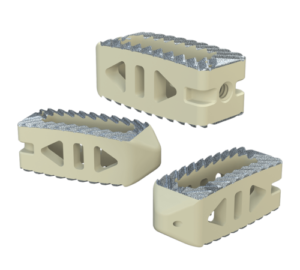
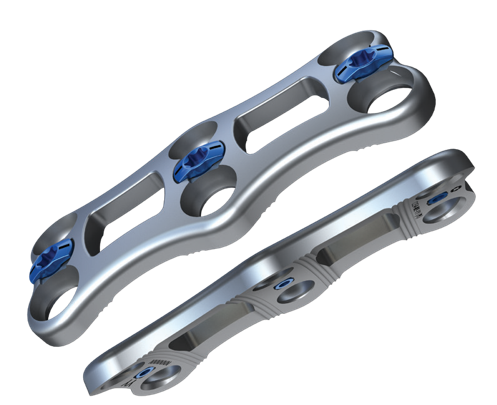
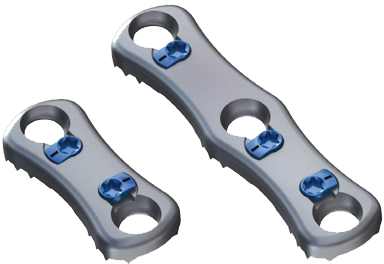
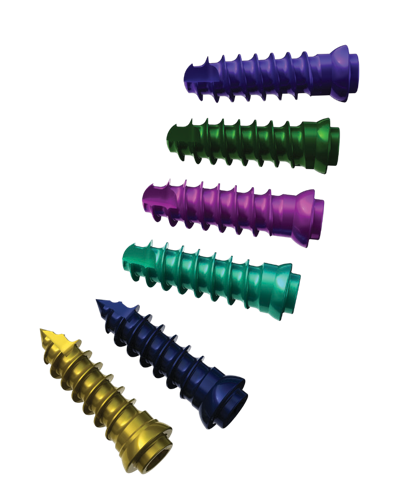
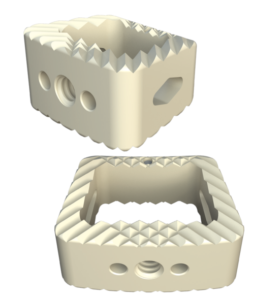
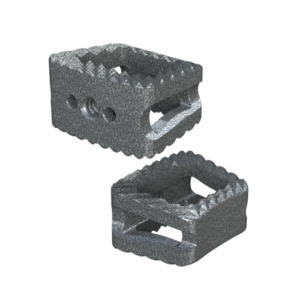
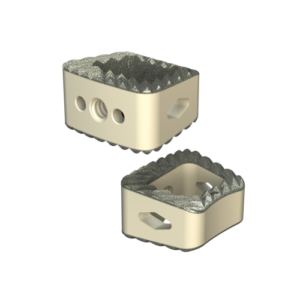
9 Surgical Implant Suppliers Orthopedic and other non-active surgical implants and associated instruments ISO 14630 sets general requirements for non-active surgical implants; applicable material standards, such as relevant parts of ISO 5832, depend on the implant material. Material certificates, design and manufacturing records, sterilization evidence, traceability information, and destination-market authorization Material and design specifications, traceability, evidence supporting intended use, instrument compatibility, and post-market support
10 Sterile Barrier Packaging Suppliers Sterilization pouches, reels, trays, and packaging materials for terminally sterilized medical devices ISO 11607-1 and ISO 11607-2 address materials, sterile barrier systems, and packaging validation for terminally sterilized medical devices. Material specifications, seal-strength and integrity test results, packaging validation reports, and evidence of suitability for the intended sterilization process Compatibility with the device and sterilization method, sealing consistency, barrier integrity, labeling space, and supply continuity

Buyer note: ISO 13485 certification can support assessment of a medical-device quality management system, but it does not by itself establish that a specific product is authorized in a destination market. Verify product-level approvals and scope directly with the relevant regulator or certification body.

Profiles of Ten Notable Surgical Products Suppliers

These ten supplier profiles represent different strengths in the surgical products market. One focuses on reusable steel instruments, with attention to grip, balance, and finish. Another supplies sterile procedure packs, where clear labeling and consistent packaging matter. A minimally invasive equipment supplier may offer compact tools and compatible accessories. Orthopedic specialists typically organize products by procedure and implant type. A wound-care supplier may provide dressings, closure materials, and practical usage guidance.

Other profiles cover surgical lighting, operating tables, gowns and drapes, sterilization containers, and broad medical distribution. Each serves a different purchasing need. A bright lamp is useful, but service access and replacement parts matter too. Buyers can compare material specifications, packaging details, traceability documents, and sample quality before making decisions. Ask how the supplier handles product changes and delivery delays. Details matter. Not every catalog tells the whole story. A polished product sheet may leave out small but important issues, such as fit with existing equipment. Direct questions—and careful review of the answers—make these profiles more useful than a simple ranking.

Sourcing, Compliance, and Quality Checks for Buyers

When comparing China’s top surgical product suppliers, begin with the exact product and destination market. Requirements differ for instruments, dressings, and sterile single-use items. Ask each supplier for current quality-system certificates, product registrations, and test reports relevant to your market. Check issuing bodies and certificate scope independently; a certificate alone does not prove every product meets requirements.

Request samples from the same production line intended for your order. Inspect edges, joints, packaging seals, labels, and batch codes under ordinary working conditions. For sterile products, review sterilization validation, packaging integrity, and shelf-life evidence. Confirm how the supplier traces materials and handles complaints or corrective actions. Small details matter. A factory audit can reveal storage conditions or inspection gaps, but one visit cannot predict every shipment. Compare inspection records, agree on written acceptance criteria, and consider independent pre-shipment testing for higher-risk products. Keep the process documented. It may feel slow, yet rushed checks often leave buyers with questions after delivery.

China Surgical Products Supplier Evaluation: Buyer Checklist

Suggested evaluation weights for sourcing, compliance, and quality checks

The percentages are a suggested buyer-side weighting model, not supplier ratings or market-survey results. Check applicable regulatory requirements against the product classification and destination market; verify quality-system documents, product evidence, traceability, and delivery capability during due diligence.