| Graft Material Type |
Select the required material according to the clinical application. |
Clearly identify whether the product is synthetic, xenogenic, allogenic, or a composite graft. Confirm the intended use and clinical limitations. |
Product specification, instructions for use, material composition, risk assessment, and clinical-use statement. |
10% |
— |
| Indication and Surgical Application |
Define the target procedure, anatomical site, defect size, and handling method. |
The supplier’s documented indications should match the planned use, such as periodontal defects, sinus augmentation, ridge preservation, or orthopedic bone void filling. |
Instructions for use, surgical technique guide, contraindications, warnings, and applicable clinical documentation. |
10% |
— |
| Particle Size and Physical Form |
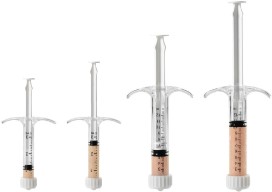
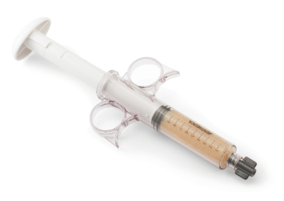
Specify granule, putty, block, membrane-supported, or injectable form and the required particle-size range. |
Particle-size distribution, shape, porosity, cohesion, and moldability should be consistent with the intended surgical technique. Acceptance limits must be defined in the product specification. |
Technical data sheet, particle-size test method, certificate of analysis, and representative samples from multiple lots. |
8% |
— |
| Biocompatibility |
Confirm biological safety for the final, sterilized product. |
Biological evaluation should be risk-based and aligned with ISO 10993, with testing appropriate to tissue contact, duration, and material composition. |
Biological evaluation plan and report, cytotoxicity data, sensitization or irritation assessment where applicable, and chemical characterization. |
12% |
— |
| Sterilization and Sterility Assurance |
Define the acceptable sterilization method and sterility level. |
The validated process should be appropriate for the material and packaging. Radiation, ethylene oxide, or moist heat processes should be validated against the applicable standard. A sterile product commonly requires a sterility assurance level of 10−6 when required by the applicable regulatory pathway. |
Sterilization validation summary, routine release records, bioburden data, residual testing where applicable, and compliance with ISO 11135, ISO 11137, ISO 17665, or relevant local requirements. |
12% |
— |
| Quality Management System |
Assess manufacturing controls and quality-system maturity. |
The production site should operate a documented medical-device quality management system, preferably certified to ISO 13485 for the relevant product scope. |
Current ISO 13485 certificate, audit scope, nonconformity and CAPA procedures, change-control procedure, and internal-audit records. |
12% |
— |
| Raw-Material Traceability |
Define origin, qualification, and traceability requirements for every raw material. |
Each finished lot should be traceable to incoming materials, processing records, in-process inspections, sterilization records, packaging, and release approval. |
Supplier qualification records, incoming inspection records, batch genealogy, certificate of analysis, and sample traceability exercise. |
8% |
— |
| Product Testing and Release Controls |
Specify the tests required before each batch is released. |
Release criteria should cover identity, appearance, physical properties, chemical limits, microbial or sterility requirements, packaging integrity, and any product-specific performance tests. |
Approved specifications, validated test methods, batch-release checklist, certificates of analysis, and independent laboratory reports where appropriate. |
10% |
— |
| Packaging and Shelf Life |
Define package configuration, storage conditions, shelf life, and transport limits. |
Packaging should maintain sterility or product integrity throughout the labeled shelf life and intended distribution conditions. Shelf-life claims should be supported by real-time or appropriately justified accelerated-aging data. |
Packaging validation, seal-integrity testing, aging protocol and report, transport simulation, storage instructions, and remaining shelf-life policy at shipment. |
8% |
— |
| Regulatory and Export Documentation |
Identify the destination-market regulatory pathway before supplier approval. |
The product classification, registration status, labeling, importer responsibilities, and technical documentation must be compatible with the destination country or region. |
Declaration of conformity where applicable, product registration or listing evidence, technical file index, labeling artwork, certificates, and export documents. |
10% |
— |
| Manufacturing Capacity and Lead Time |
Define annual demand, minimum order quantity, forecast method, and delivery schedule. |
The supplier should demonstrate sufficient validated capacity, contingency planning, production scheduling, and consistent delivery performance without compromising quality. |
Capacity statement, standard lead time, historical on-time delivery data, business-continuity plan, minimum order quantity, and production reservation terms. |
5% |
— |
| Quality Agreement and Change Notification |
Control changes that could affect safety, performance, or regulatory status. |
A written agreement should define responsibilities, deviation handling, complaint response, audit rights, record retention, and advance notification of material, process, site, packaging, or sterilization changes. |
Quality agreement template, change-control procedure, complaint procedure, recall procedure, and defined notification timelines. |
5% |
— |
| Total Evaluation Weight |
100% |
— |










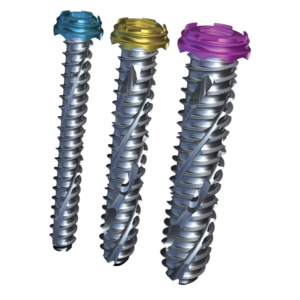

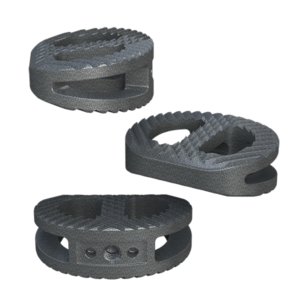 System Features
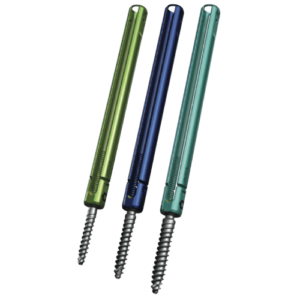 Key Features
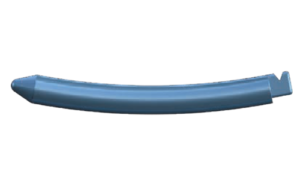 Key Features
 Key Features
 Key Features
 Key Features
 Key Features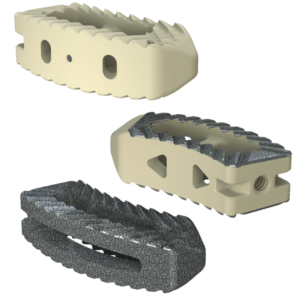
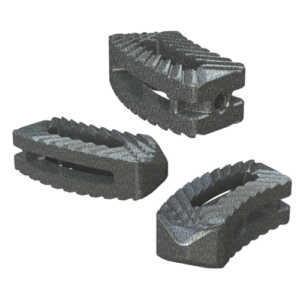
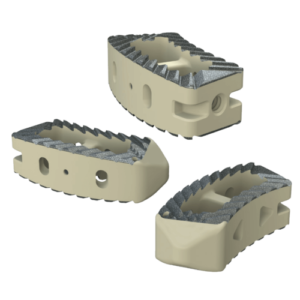
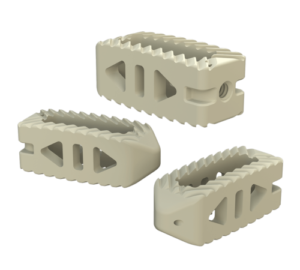
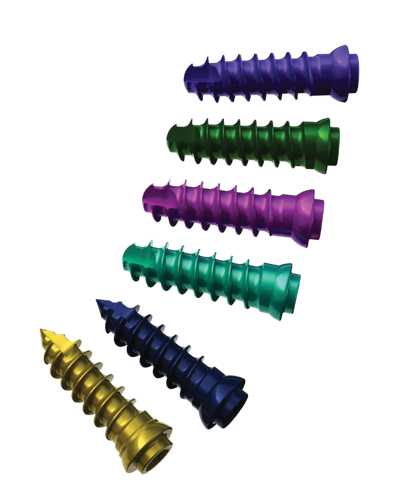
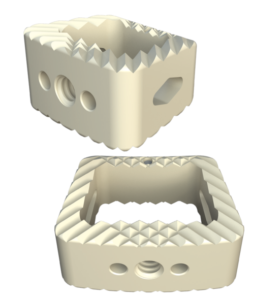 Key Features
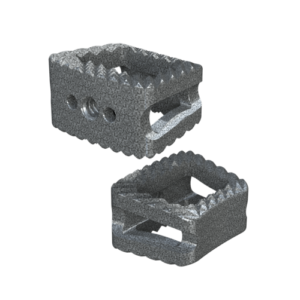 Key Features
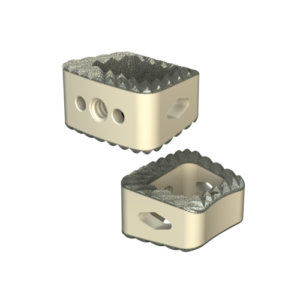 Key Features