What are the Types of Surgical Procedures That You Should Know?

Surgical procedures are a vital aspect of modern medicine. They encompass a wide variety of techniques performed to treat diseases, injuries, or deformities. Understanding the different types of surgical procedures can empower patients and enhance their decision-making regarding treatment options.

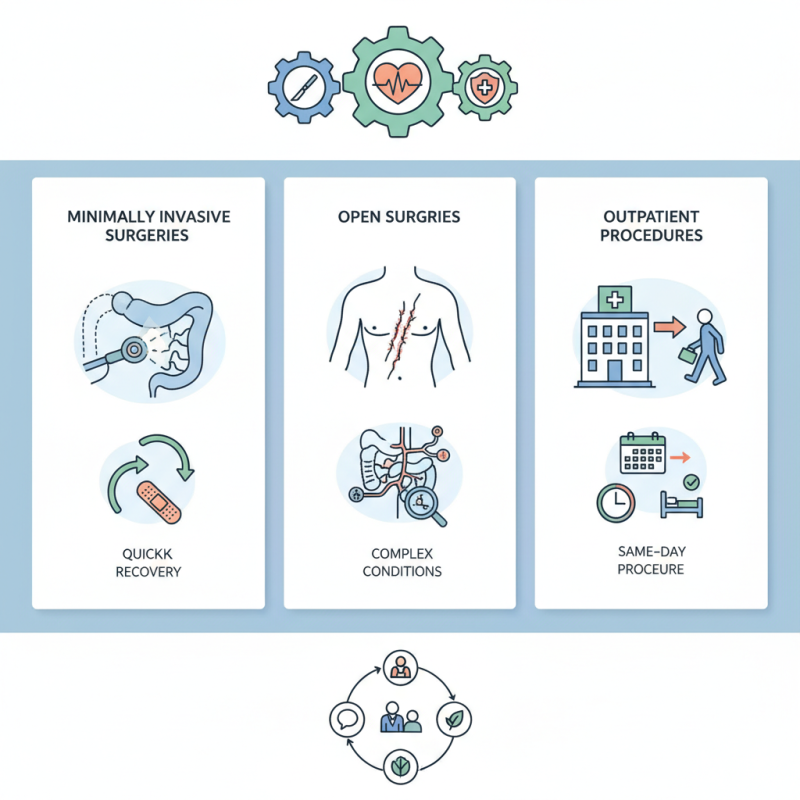
In this guide, we will explore various categories of surgical procedures. These include minimally invasive surgeries, open surgeries, and outpatient procedures. Each type serves a specific purpose and comes with its own set of benefits and risks. For example, minimally invasive surgeries typically involve smaller incisions, leading to quicker recovery times. However, they may not be suitable for complex conditions.

As you navigate the world of surgical procedures, consider discussing your options with healthcare professionals. They can provide insights tailored to your health needs. Reflecting on potential surgeries is essential. Informed choices can make a significant impact on recovery and outcomes. Understanding the landscape of surgical options will not only prepare you for discussions with your doctor but also alleviate some of the anxiety associated with surgical interventions.

What are the Types of Surgical Procedures That You Should Know?

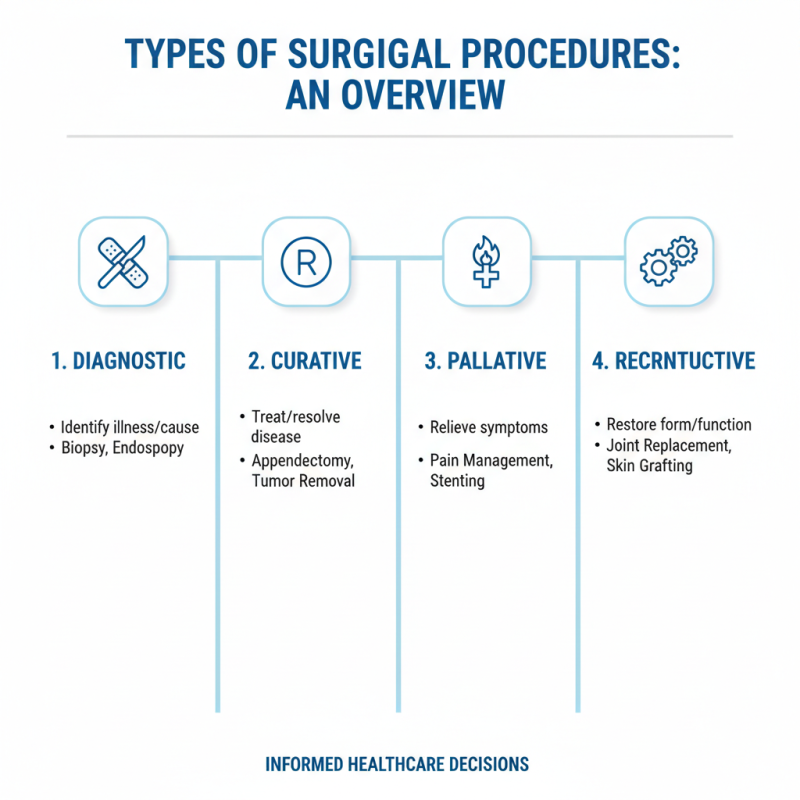
Types of Surgical Procedures: An Overview

What are the Types of Surgical Procedures That You Should Know?

Surgical procedures can be broadly categorized into various types. Understanding these categories can help in making informed decisions about healthcare.

One common type is **elective surgery**. This is performed based on patients’ choice, often to improve quality of life. Procedures like cosmetic surgery fall under this category. Another type is **emergency surgery**. This is performed in response to urgent medical conditions, such as appendicitis. Each type serves a distinct purpose and involves different levels of risk and recovery time.

**Tips:** Always consult with healthcare professionals before choosing a surgical procedure. They can offer specific advice based on your personal health history and needs. Researching the types of procedures can also lead to a better understanding of what to expect.

Another category is **minimally invasive surgery**. Techniques such as laparoscopic surgery utilize small incisions. This often results in quicker recovery time and less postoperative pain. Patients should weigh the pros and cons of different approaches.

**Tips:** Ask about the benefits and risks associated with each technique. An open discussion with your surgeon can clarify any uncertainties you may have about recovery and outcomes. Prioritizing clear communication is essential.

Major Categories of Surgical Procedures

When exploring surgical procedures, it’s vital to understand their major categories. Broadly, surgeries can be classified into three primary types: elective, urgent, and emergency. Elective surgeries are planned in advance. These are often non-life-threatening procedures, like cosmetic surgery or joint replacements. While they can improve quality of life, patients must weigh the benefits against potential risks.

Urgent surgeries address health concerns that require timely intervention but are not life-threatening. Examples include appendectomies or hernia repairs. These procedures can significantly improve health outcomes if performed promptly. Emergency surgeries, on the other hand, are unplanned and often life-saving, like those performed after severe accidents. Each category has its unique considerations and potential complications.

Tips: Always seek a second opinion on surgical options. It’s essential to feel confident in your choices. Discuss all potential risks with your surgeon. The more informed you are, the better equipped you will be to face any possible outcomes. Reflect on your motivations for surgery. Are they aligned with your health goals? Understanding your reasons can help ensure you make the right decision.

What are the Types of Surgical Procedures That You Should Know? - Major Categories of Surgical Procedures

Category Description Common Procedures Specialties
Elective Surgery Surgery planned in advance, not for emergencies. Hip Replacement, Cataract Surgery Orthopedics, Ophthalmology
Emergency Surgery Performed in response to an acute medical condition. Appendectomy, Trauma Surgery General Surgery, Emergency Medicine
Minimally Invasive Surgery Surgery done through tiny incisions using advanced technology. Laparoscopic Surgery, Robotic Surgery Urology, Gynecology
Transplant Surgery Replacement of a damaged organ with a healthy one. Kidney Transplant, Liver Transplant Transplant Surgery, Nephrology
Cosmetic Surgery Procedure to enhance appearance. Rhinoplasty, Breast Augmentation Plastic Surgery

Common Elective Surgeries You Should Be Aware Of

Elective surgeries have become increasingly common, with millions of procedures performed worldwide each year. According to the American College of Surgeons, elective surgeries account for nearly 60% of all surgical operations. These procedures are often planned in advance and can significantly improve patients' quality of life.

One of the most prevalent types is knee arthroscopy, typically performed for meniscal tears and cartilage damage. This minimally invasive procedure allows quicker recovery times. Studies show that over 700,000 knee arthroscopies are performed annually in the U.S. alone. Another common elective surgery is cholecystectomy, the removal of the gallbladder. Typically done laparoscopically, this procedure helps patients with gallstones. Roughly 300,000 cholecystectomies are conducted each year in the U.S., making it one of the top elective surgeries.

The choice for elective surgery often depends on individual circumstances. Some patients may hesitate out of fear of complications or recovery. While these surgeries bring significant benefits, they are not without risks. Research indicates that about 5-10% of patients may experience postoperative complications. Understandably, this can lead to anxiety for many. It's essential for patients to discuss their options thoroughly with healthcare professionals to weigh benefits against potential risks.

Emergency Surgical Interventions Explained

Emergency surgical interventions play a crucial role in saving lives. These procedures address urgent medical conditions that require immediate attention. Common examples include appendectomies, trauma surgeries, and cardiac interventions. Each situation demands quick assessment and decisive action. Understanding these types of surgeries can empower patients and their families during crises.

In the chaos of an emergency, clear communication is vital. Patients might not fully grasp their condition. Medical teams should explain procedures simply, ensuring families are informed. This transparency can alleviate anxiety. Sharing information empowers patients, allowing them to ask questions.

Tips: Always trust your instincts. If something feels wrong, seek medical help immediately. It’s better to err on the side of caution. Additionally, keep a list of any allergies or medications on hand. This information can streamline surgical planning. Remember, preparation can make a significant difference in emergency care.

Minimally Invasive vs. Traditional Surgical Techniques

Minimally invasive surgery is a modern approach that offers numerous advantages over traditional techniques. In this method, surgeons make small incisions, allowing for quicker recovery times and reduced scarring. Patients often experience less pain and spend fewer days in the hospital. This technique uses specialized instruments, sometimes even robotic systems, to navigate the body's internal structures. The precision involved can lead to fewer complications. However, not all procedures can be performed this way.

Traditional surgical techniques, in contrast, involve larger incisions and a more extensive recovery process. Surgeons often rely on their experience and intuition. While effective for many procedures, these methods can bear greater risks. Infection rates may be higher, and the healing time can extend significantly. Sometimes, the open approach is unavoidable, especially in complex surgeries. Patients should weigh their options carefully and discuss them with their healthcare providers. Understanding the pros and cons of each method is crucial in making informed choices about surgical care.