7 Tips for Choosing Cervical Surgeons Worldwide?
Choosing among cervical surgeons worldwide is not a decision that should rest on glossy websites or impressive titles. Neck surgery can affect movement, strength, sensation, and daily independence. A surgeon’s training, hospital resources, complication rates, and experience with your specific condition all deserve careful attention. The right choice may feel less obvious than expected.
Neurosurgeon Dr. Michael G. Fehlings has emphasized a patient-centered principle: “The goal of surgery is to improve function and quality of life, not simply to change an image.” That idea matters when comparing cervical surgeons. A clear MRI does not automatically justify an operation. Ask whether the surgeon has treated cases like yours, including disc disease, spinal cord compression, trauma, or revision surgery. Request a plain explanation of benefits, risks, alternatives, recovery time, and possible long-term limitations.
Practical details also reveal quality. Look for independent hospital accreditation, multidisciplinary support, infection-control standards, and access to urgent follow-up. Check whether the consultation feels rushed. Notice whether your questions receive specific answers. A surgeon who discusses uncertainty may be more trustworthy than one promising perfect results.
This guide presents seven useful tips for international patients. It covers credentials, surgical volume, second opinions, technology, communication, costs, and aftercare. No checklist is flawless. Travel, language, and medical records can complicate judgment. Your own priorities may also change the decision. Still, careful comparison can replace guesswork with evidence, realistic expectations, and a safer path toward treatment.

Understanding Cervical Surgery and Surgeon Specializations
Choosing a cervical surgeon requires more than checking a hospital’s reputation. Cervical surgery treats problems in the neck, including spinal cord compression, nerve irritation, fractures, and deformity. A surgeon may specialize in anterior cervical procedures, posterior decompression, spinal tumors, trauma, or complex reconstruction. These skills are not interchangeable.
The World Health Organization reports that musculoskeletal conditions affect about 1.71 billion people worldwide. However, this figure includes many non-surgical disorders. It does not prove that surgery is necessary. Tip 1: Match the surgeon’s training to your diagnosis. Ask how often they perform your specific operation, not only how many spine procedures they complete. Verify board certification, hospital privileges, and recent continuing education.
Tip 2: Request evidence before agreeing to surgery. The North American Spine Society’s clinical guidance supports careful diagnosis, imaging review, and non-surgical treatment when appropriate. A reliable surgeon should explain expected benefits, possible complications, recovery time, and alternatives in clear language. Tip 3: Compare independent opinions across countries carefully. Standards, licensing systems, and follow-up access can differ widely. Ask who will manage wound checks, rehabilitation, and urgent symptoms after you return home. I would also question impressive success rates without definitions, timeframes, or patient characteristics. Those numbers may sound precise, yet they can hide important limitations. A second opinion is sensible, especially when surgery is elective or irreversible.
Comparing Surgical Experience, Techniques, and Patient Outcomes
When comparing cervical surgeons worldwide, experience should mean more than years in practice. Ask how often the surgeon performs your specific cervical procedure. A surgeon may be excellent in trauma but less experienced with complex revision cases. Request audited results, not polished testimonials. Useful figures include complication rates, reoperation rates, neurological outcomes, and patient-reported pain scores. Ask how these results were measured and over what period.
Technique also deserves careful comparison. Some surgeons favor anterior approaches, while others use posterior or motion-preserving procedures. The safest choice depends on imaging, symptoms, bone quality, alignment, and previous operations. Ask why one method fits your anatomy. A clear explanation matters. Be cautious when every patient receives the same operation. That is a warning sign.
Outcomes should include recovery, function, and long-term follow-up, not only successful surgery. Check whether the surgeon tracks patients beyond discharge, especially after implantation or fusion. Confirm hospital accreditation, specialist certification, emergency support, and communication arrangements across borders. Travel can complicate wound checks and rehabilitation. Plan who will review your scans at home. I would also ask about uncomfortable possibilities, including persistent pain, adjacent-segment disease, or a second operation. No surgeon can promise perfection. That honesty is part of expertise, and sometimes the most reassuring answer is “I need more information.”
7 Tips for Choosing Cervical Surgeons Worldwide
Compare documented surgical experience, technique selection, complication reporting, and patient-reported outcomes rather than relying on reputation alone.
The chart shows average improvement reported in a large prospective multicenter study of patients undergoing surgery for degenerative cervical myelopathy. The modified Japanese Orthopaedic Association score increased from 11.9 before surgery to 14.7 at two years, while the Neck Disability Index decreased from 46.9 to 29.2. Higher mJOA scores indicate better neurological function; lower NDI scores indicate less disability. These figures describe study-level outcomes and should not be interpreted as a ranking of individual surgeons.
Selection checklist: verify procedure-specific case volume, fellowship training, access to multiple techniques, audited complication rates, long-term follow-up, and independently collected patient outcomes.
Assessing Hospitals, Technology, Safety Standards, and Support Services
Choosing a cervical surgeon worldwide starts with the hospital, not the operating room alone.
Ask whether a spine team reviews complex cases with neurology, radiology, and rehabilitation specialists. Check the surgeon’s training, current license, and experience with your specific condition. Surgical volume matters, but it is not everything. Request audited complication data, not only testimonials. A polished website proves little.
Technology should answer a clinical need.
High-resolution imaging can clarify nerve compression and instability. Navigation and intraoperative monitoring may improve precision in selected procedures. Still, advanced equipment cannot replace judgment. Ask who operates it, how often it is used, and what happens if it fails. Seek a written explanation of alternatives, expected pain, weakness risks, and possible reoperation. I would question any consultation that promises a guaranteed result.
Safety standards deserve direct questions.
Look for infection-control procedures, emergency coverage, blood-management policies, and independent hospital accreditation. Ask how complications are reported and who manages them after discharge. Support services can determine recovery abroad. Confirm interpreter access, transport, medication planning, and a named contact for urgent symptoms. Get itemized costs, medical records, and a realistic follow-up schedule. Details are easy to overlook. I might still miss something. Have a local physician review the plan before travel, because distance can turn a small concern into a serious delay.
Reviewing Consultations, Costs, Travel Plans, and Follow-Up Care
Choosing a cervical surgeon abroad begins with a careful consultation, not a glossy website. Ask about board certification, hospital privileges, yearly cervical procedures, and complication rates. Request an explanation of your imaging in plain language. A trustworthy surgeon will discuss non-surgical options and possible limits. Ask who will provide emergency care if symptoms worsen. Take notes, and seek an independent second opinion when details feel rushed. Short consultations can hide important gaps.
Compare the full cost, not only the surgical fee. Include imaging, anesthesia, hospital nights, medicines, physiotherapy, translation, and unexpected delays. Ask which payments are refundable and whether revision care is covered. Request a written estimate with local currency and clear assumptions. Low prices deserve careful questions. They do not prove poor quality, but they can omit essential services. My own planning mistake would be treating an online estimate as final.
Build a travel plan around recovery, not sightseeing. Confirm visa rules, mobility needs, accessible lodging, and a companion for the first days. Ask when flying is medically acceptable, and arrange local transport before discharge. Follow-up care should include scheduled video reviews, wound checks, and access to a clinician in your home country. Keep operative reports, implant details, and medication instructions securely. Healing is uneven. A perfect timetable is unrealistic. If advice conflicts, pause and obtain documented medical guidance before traveling.















 System Features
 Key Features
 Key Features
 Key Features
 Key Features
 Key Features
 Key Features



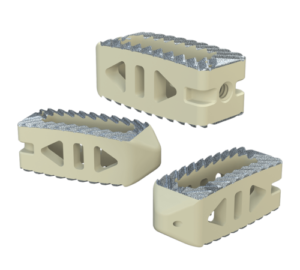



 Key Features
 Key Features
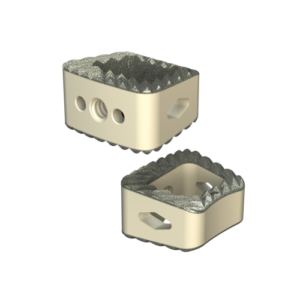 Key Features