How to Choose the Right Orthopedic Procedures?
Choosing among orthopedic procedures is rarely a simple matter of selecting the newest technique. The right decision begins with a precise diagnosis, clear goals, and an honest discussion about risks. Pain location matters. So do joint stability, muscle strength, age, activity level, medical history, and recovery expectations. An MRI may show a tear, but it cannot decide whether surgery will improve someone’s life.
Orthopedic surgeon Dr. James Andrews is often credited with saying, “There is no such thing as a minor surgery.” That warning deserves attention. Even a small incision can bring infection, stiffness, nerve injury, or an unexpectedly long recovery. A responsible specialist should explain both surgical and non-surgical options. Physical therapy, medication, activity changes, or observation may sometimes offer the safer path. Sometimes they may not.
This guide examines how surgeons compare orthopedic procedures for damaged joints, bones, tendons, and ligaments. It considers evidence, expected outcomes, rehabilitation demands, and the surgeon’s experience with each technique. Ask practical questions. How many similar procedures has the surgeon performed? What happens if the first plan fails? When can normal walking, lifting, or work resume?
There is no universal answer. A procedure that helps a competitive runner may not suit an older adult with arthritis. Even strong research has limits. Individual results can vary. The best choice is usually made through shared decision-making, supported by qualified specialists and realistic expectations. Recovery is part of the treatment, not an afterthought.

Understanding the Purpose and Scope of Orthopedic Procedures
How to Choose the Right Orthopedic Procedures?
Understanding the Purpose and Scope of Orthopedic Procedures
Orthopedic procedures address different problems, not simply “painful joints.” A procedure may repair tissue, stabilize a fracture, replace a damaged joint, or relieve pressure on a nerve. The correct choice depends on the diagnosis, symptom duration, physical function, age, health history, and personal goals. The World Health Organization estimates that 1.71 billion people live with musculoskeletal conditions worldwide. That scale makes careful assessment essential, because similar pain can arise from very different causes.
A practical consultation should connect each procedure to a clear purpose. Imaging can show structural damage, but it does not always explain daily discomfort. A clinician should compare scans with movement, strength, sleep, work demands, and previous treatment. Non-surgical care may include exercise therapy, medication review, activity changes, or guided injections. Surgery becomes more reasonable when symptoms persist, function declines, and expected benefits outweigh risks. Recovery time matters too. A technically successful operation can still disappoint if rehabilitation demands are misunderstood.
Look beyond the procedure name. Ask what it changes, what it cannot change, and what happens without it. OECD Health at a Glance 2023 reports substantial international variation in hip and knee replacement rates. Differences may reflect disease patterns, access, clinical judgment, and patient preferences. They do not prove that one treatment fits everyone. I would treat population data as context, not a prescription. Even specialist decisions contain uncertainty. That is uncomfortable, but honest discussions about complications, revision risk, costs, and recovery usually support safer choices.
Comparing Nonsurgical and Surgical Treatment Options
Choosing an orthopedic procedure begins with a diagnosis, not a scan. A physical examination, symptom history, and functional goals should guide the discussion. For many knee and shoulder conditions, nonsurgical care includes exercise therapy, activity changes, weight management, and carefully selected medicines. The American Academy of Orthopaedic Surgeons’ 2021 knee osteoarthritis guideline supports exercise and weight loss for appropriate patients, while noting that evidence quality varies.
Nonsurgical treatment is active care. A therapist may progressively load a weak quadriceps muscle while monitoring swelling, sleep, and walking distance. A 2023 Lancet analysis estimated that 619 million people had low back pain worldwide in 2020. It projected 843 million cases by 2050. These figures show why conservative treatment deserves careful planning, not casual dismissal. Still, some patients improve less than expected.
Surgery becomes more reasonable when pain remains disabling after a well-documented treatment trial, structural damage matches symptoms, or instability threatens function. The decision should include recovery time, infection, blood-clot, nerve, and revision risks. National Joint Registry reports show that revision risk varies by procedure, implant type, age, and follow-up period. One headline rate cannot predict an individual result. The evidence is messy. Shared decisions work best when clinicians explain uncertainty, alternatives, and when treatment should change.
Evaluating Procedure Risks, Benefits, and Recovery Demands
How to Choose the Right Orthopedic Procedures?
Choosing an orthopedic procedure starts with a clear diagnosis, not a dramatic scan. Ask which symptoms the procedure should improve and how success will be measured. A qualified orthopedic specialist should explain the evidence, alternatives, and likely results in plain language. Imaging can guide decisions, but it should not replace a physical examination or your daily experience.
Every procedure carries risks, including infection, bleeding, nerve irritation, stiffness, or persistent pain. Benefits may include better movement, stronger stability, or fewer symptoms. However, improvement is not guaranteed. Ask how often complications occur and what happens if recovery stalls. A second medical opinion can reveal another reasonable option. It may also challenge your expectations.
Recovery demands deserve equal attention. Will you need crutches, physical therapy, time away from work, or help with bathing and cooking? Picture the first week: swelling, ice packs, medication schedules, and limited stairs. Some people focus on the operation and underestimate rehabilitation. That is a mistake worth examining. Recovery often depends on sleep, nutrition, follow-up visits, and consistent exercises. Discuss your medical history, medications, work duties, and support at home before choosing. The most suitable procedure is not always the most advanced one. It is the option whose risks, benefits, and recovery demands fit your health and real life.
Making an Informed Decision With an Orthopedic Specialist
Choosing an orthopedic procedure should begin with a conversation, not a rushed decision. An orthopedic specialist can connect your symptoms, medical history, imaging, and daily goals. A knee scan may show damage, yet pain can also come from muscle weakness, inflammation, or altered movement.
During the appointment, explain what you cannot do comfortably. Mention the stairs you avoid, the pain that wakes you, or the jacket you cannot lift your arm to wear. These details help the specialist judge how the condition affects real life. Ask which procedures may help, how long recovery might take, and what happens without treatment. Some patients need physical therapy or medication before surgery. Others may benefit from a corrective procedure when conservative care has failed.
Be specific. Ask about anesthesia, complications, rehabilitation, and expected function. A reliable specialist should explain uncertainty without using frightening language. Bring your medication list and previous scan reports. Another medical opinion can be useful, especially when surgery is irreversible or recovery is demanding. I would not treat a single image as the final answer. That approach sounds efficient, but it can overlook strength, balance, work demands, and personal priorities. Your decision may change after a clearer examination. That is acceptable. Good care leaves room for questions, hesitation, and careful review.








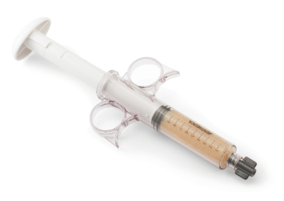
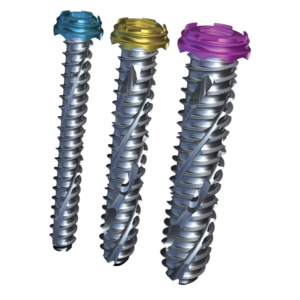

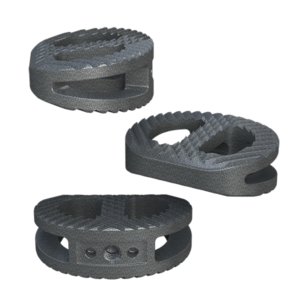 System Features
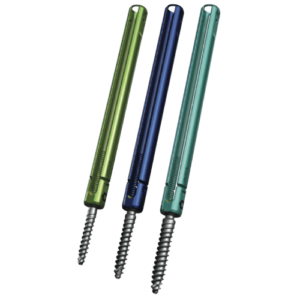 Key Features
 Key Features
 Key Features
 Key Features
 Key Features
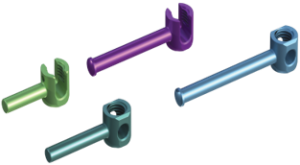 Key Features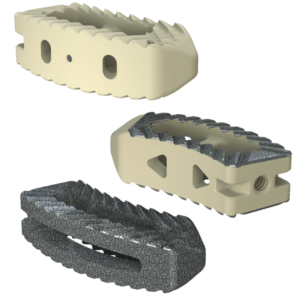
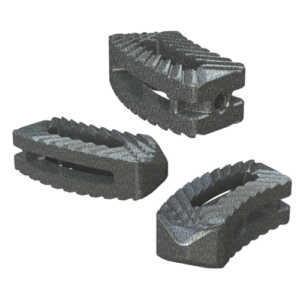
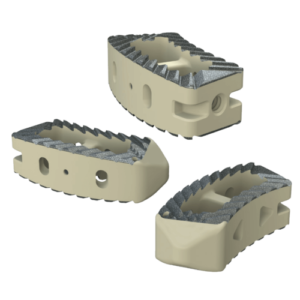

 Key Features
 Key Features
 Key Features