How to Choose Cervical Neck Fusion Implants in 2026?
Choosing a cervical neck fusion implant in 2026 requires more than comparing prices or brand names. The surgeon must match the device to anatomy, pathology, bone quality, and the intended fusion level. A narrow disc space, osteophyte burden, or weak endplate can change the decision in seconds. Small details matter.
Industry reports show a growing cervical spinal fusion market, driven by aging populations, degenerative disc disease, and demand for motion-preserving technologies. Grand View Research identifies implant innovation and minimally invasive procedures as major market drivers. Meanwhile, FDA post-market surveillance reminds clinicians that subsidence, migration, infection, and nonunion remain important risks. These reports are useful, but they do not replace patient-specific judgment.
Dr. Vincent Traynelis, a recognized cervical spine surgeon, has stated, “The goal of surgery is to decompress the neural elements and stabilize the spine.” That principle should guide implant selection. Surgeons should examine radiographs, CT scans, bone density, and alignment before choosing a cage, plate, or integrated construct. They should also review clinical evidence, regulatory status, revision data, and manufacturer transparency. A device may look elegant on the operating table. It may still perform poorly in a particular patient.
No implant is perfect. That is worth admitting. Long-term comparative evidence can remain limited, especially for newer designs. This guide will examine materials, fixation methods, lordotic angles, subsidence resistance, imaging compatibility, and clinical outcomes. It will also question marketing claims, because “advanced” does not always mean better. For cervical neck fusion, reliable decisions come from evidence, experience, and careful restraint.
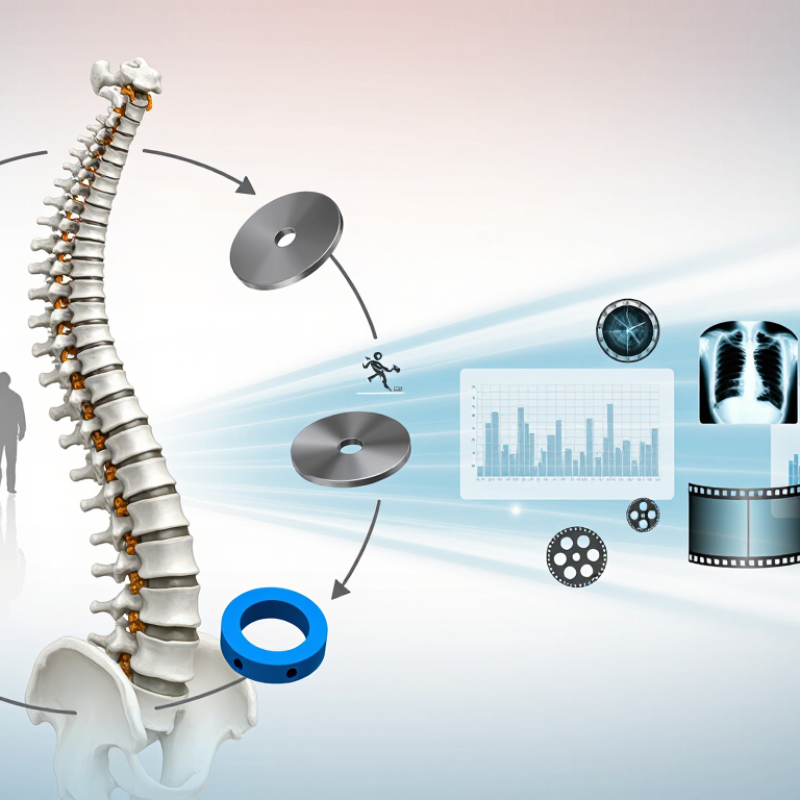
Understanding the Purpose and Anatomy of Cervical Fusion Implants
How to Choose Cervical Neck Fusion Implants in 2026?
Cervical fusion implants support a specific anatomical goal: stabilizing a painful or unstable motion segment while protecting the spinal cord and nerve roots. The cervical spine contains seven vertebrae, flexible discs, and small facet joints. Its natural curve also matters. A cage that restores disc height may relieve foraminal pressure, while a plate or posterior fixation system can improve stability. The choice depends on imaging, bone quality, alignment, symptoms, and the number of levels involved. It is not a simple size decision.
Professional evidence shows why careful planning matters. The AHRQ HCUP database reported nearly 488,000 inpatient spinal fusion procedures in the United States during 2012, showing the procedure’s substantial clinical volume. A 2023 review in Global Spine Journal also emphasized that fusion success depends on patient selection, alignment, and radiographic follow-up, not implant design alone. These findings remain relevant when evaluating devices for 2026. Newer materials may be attractive, but long-term clinical evidence can still be limited.
Tips: Ask how the implant restores disc height and cervical alignment. Review CT findings for bone density and endplate shape. Discuss swallowing risk, adjacent-level stress, and expected fusion time. Seek a second surgical opinion when the recommendation feels rushed. One implant cannot fit every neck. Even experienced teams may revise plans after closer imaging review.
Comparing Implant Types, Materials, and Surgical Approaches
How to Choose Cervical Neck Fusion Implants in 2026?
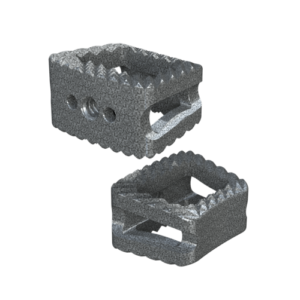
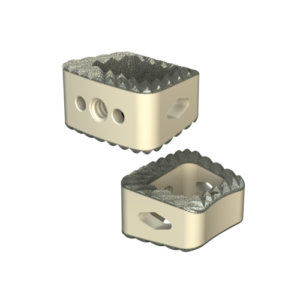
Implant selection should begin with anatomy, not marketing. AHRQ’s Healthcare Cost and Utilization Project reported 489,000 inpatient spinal fusions in the United States during 2008, a 137% increase from 1998. That growth supports careful comparison, not automatic surgery. For single-level anterior procedures, surgeons commonly assess cages, anterior plates, or integrated devices. PEEK offers radiolucent imaging and an elastic profile. Titanium provides strong fixation and promotes bone contact. Surface design matters greatly. So does endplate preparation. Over-preparation can increase subsidence risk.
Material choice must match the clinical problem. A 2023 systematic review in Global Spine Journal found that postoperative outcomes vary more consistently with patient selection and surgical technique than with cage material alone. That finding is easy to overlook. For multilevel disease, a plate may improve construct stability, although dysphagia remains a practical concern. Posterior fixation can suit instability, deformity, or extensive compression, but it may create more muscle disruption and postoperative pain. Motion-preserving implants may reduce stress at adjacent levels in selected patients. They are not suitable for every neck.
A 2019 review in the Journal of Bone and Joint Surgery cited an adjacent-segment disease rate near 2.9% annually after cervical fusion. I would not treat that average as a personal forecast. Imaging, bone quality, smoking status, alignment, and neurological findings can change the decision. Ask how each implant handles subsidence, migration, revision access, and postoperative imaging. Evidence remains uneven. The best choice is often the least dramatic one.
Reviewing Safety, Evidence, and Long-Term Performance
How to Choose Cervical Neck Fusion Implants in 2026?
Safety begins with the patient, not the implant catalogue. Review bone density, endplate quality, alignment, smoking status, and swallowing risk. A stable construct should resist subsidence and maintain cervical height. Still, no device eliminates surgical risk. The FDA’s MAUDE database can reveal failure signals, but it cannot calculate true complication rates. Reporting is voluntary and often incomplete.
Evidence deserves closer inspection. Compare randomized trials, registry findings, and follow-up beyond two years. Short studies may show excellent fusion while missing late loosening or adjacent-segment disease. A landmark ten-year study estimated symptomatic adjacent-segment disease at about 2.9% annually, reaching 25.6% over a decade (Hilibrand et al., Journal of Bone and Joint Surgery). That figure is older, but it remains clinically useful. It also needs caution, because surgical techniques have changed.
Long-term performance should include fusion, revision surgery, subsidence, implant migration, and patient-reported function. Systematic reviews in Spine and European Spine Journal report variable dysphagia and nonunion rates, partly because definitions differ. That inconsistency matters. When reviewing a study, check the imaging method, loss to follow-up, and whether independent assessors confirmed fusion. A glossy result can still hide missing data. In practice, I would favor transparent evidence over impressive claims, while admitting that head-to-head implant comparisons remain limited.
Published clinical studies generally report higher radiographic fusion rates in single-level constructs than in multilevel constructs. These ranges are representative literature ranges rather than manufacturer-specific claims; implant selection should also consider subsidence resistance, alignment, bone quality, neurologic safety, revision strategy, and long-term clinical outcomes.







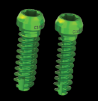

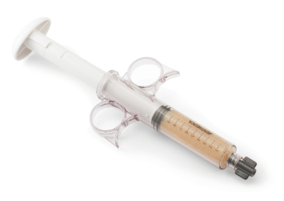
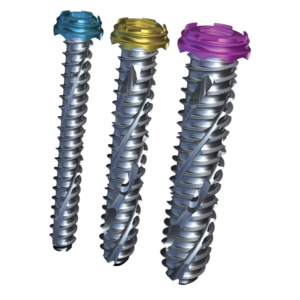

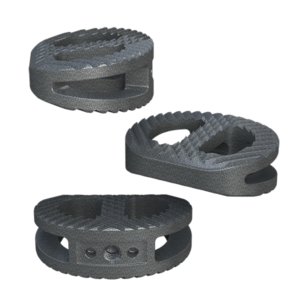 System Features
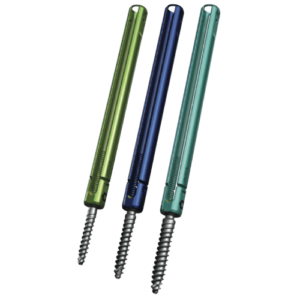 Key Features
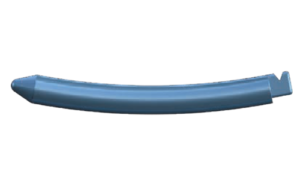 Key Features
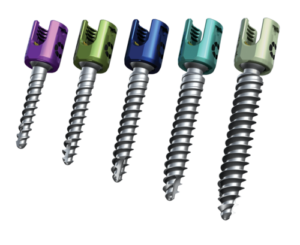 Key Features
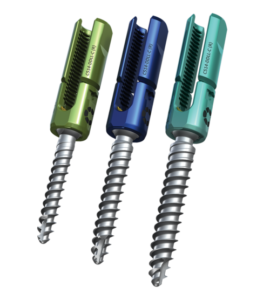 Key Features
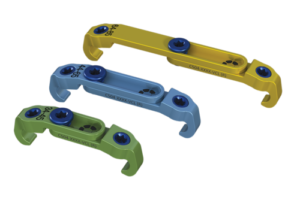 Key Features
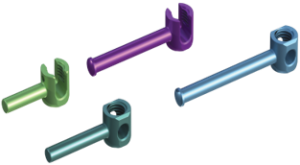 Key Features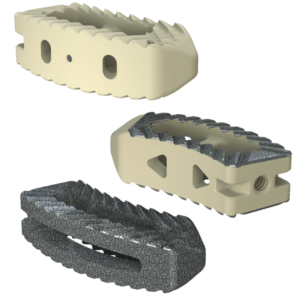
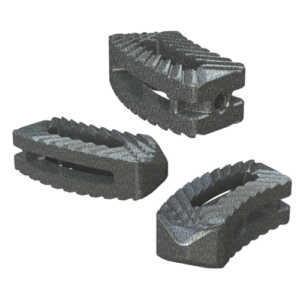
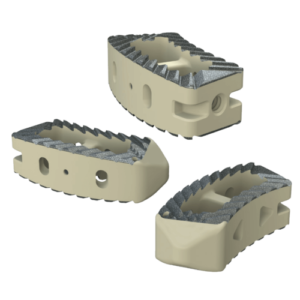
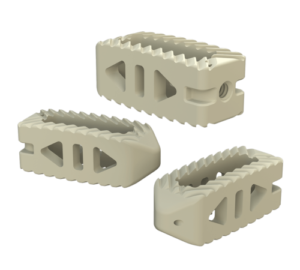
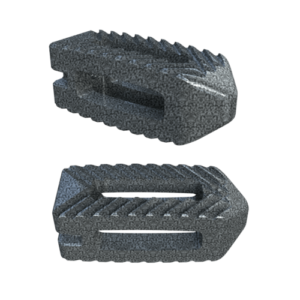
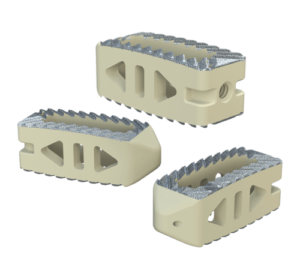
 Key Features
 Key Features
 Key Features