What Is a Spinal Orthopedic Surgeon?
A spinal orthopedic surgeon is a physician who diagnoses and treats problems affecting the spine, including the vertebrae, discs, and supporting structures. Many complete orthopedic surgery training followed by specialized spine training. Their work may involve neck or back pain, scoliosis, spinal fractures, and nerve compression. The right treatment depends on the cause, symptoms, and a person’s overall health—not just an X-ray or MRI.
Orthopedic spine specialist Dr. Alexander R. Vaccaro is a recognized leader in the field. A useful principle that reflects careful spine care is: “Treat the patient, not just the scan.” This is a plain-language summary, not a verified verbatim quote from Dr. Vaccaro. It points to an important distinction: an image may show changes that are not causing symptoms. A careful evaluation connects what the patient feels with examination findings and imaging.
Some patients benefit from physical therapy, medication, or other nonsurgical care. Others may need surgery when a specific spinal problem continues to limit daily life. A surgeon should explain expected benefits, risks, and alternatives in terms the patient can understand. Ask questions. Take your time. This matters when comparing procedures, recovery plans, or recommendations from different specialists. The field also has uncertainties; outcomes vary, and no treatment can promise a perfect result. Understanding what a spinal orthopedic surgeon does can help patients take part in informed conversations about their care.
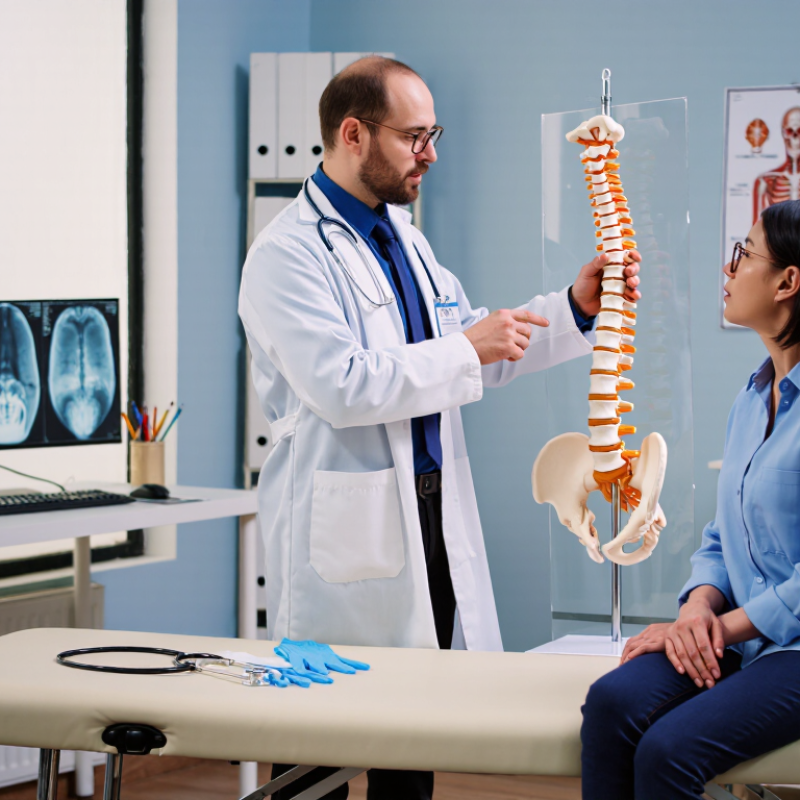
Definition and Scope of a Spinal Orthopedic Surgeon
A spinal orthopedic surgeon is a physician trained in orthopedic surgery who focuses on conditions affecting the spine. This includes the bones, discs, joints, and supporting tissues of the neck and back. The work may also involve nerves when spinal changes press on them. Not every case needs surgery.
The scope begins with understanding the person’s symptoms, medical history, and daily limitations. An examination may include checking posture, movement, strength, sensation, and reflexes. X-rays or other imaging can help, but a scan alone does not explain every ache. Treatment may include guided exercise, medication, activity changes, or injections, depending on the diagnosis and the patient’s needs. When symptoms persist or there is a serious structural problem, surgery may be discussed. Procedures can range from removing pressure on a nerve to stabilizing part of the spine.
Care often involves coordinating with primary care clinicians, rehabilitation specialists, or other spine experts. The exact roles can overlap, so patients may reasonably ask who will manage each part of their care. Surgery is not a guaranteed shortcut to pain relief, and recovery can take patience. A useful consultation should explain likely benefits, risks, alternatives, and what recovery may look like in practical terms, such as returning to work or lifting a child. The boundaries are not always neat. A careful plan may change as symptoms and examination findings become clearer.
Education, Residency, and Fellowship Training
An orthopedic spine surgeon is an orthopedic physician with additional training in spinal conditions and surgery. The path begins with medical school, followed by orthopedic surgery residency. The Accreditation Council for Graduate Medical Education (ACGME) specifies 60 months of residency training in its Orthopaedic Surgery Program Requirements. Residents rotate through areas such as trauma, joint replacement, and pediatric orthopedics, while developing skills in examination, imaging review, and operative care. A spine rotation may bring MRI scans, anatomy lessons, and supervised time in the operating room. It is demanding.
After residency, many surgeons complete a spine fellowship, commonly lasting about one year, although program structure varies. The North American Spine Society’s fellowship directory lists programs offering focused clinical training. Fellows may assess spinal deformity, degenerative disease, and trauma, then discuss treatment options with experienced surgeons. They also build judgment around when surgery may not be the best choice. That matters. A fellowship certificate alone cannot show how carefully someone explains risks or responds when a case is uncertain. Training pathways differ, and the details deserve a closer look.
Spinal Conditions Evaluated and Treated
What Is a Spinal Orthopedic Surgeon?
Spinal Conditions Evaluated and Treated
A spinal orthopedic surgeon evaluates problems affecting the bones, discs, joints, and supporting tissues of the spine. Common concerns include herniated discs, spinal stenosis, vertebral fractures, scoliosis, and vertebrae that shift out of position. Symptoms may include back or neck pain, tingling, numbness, or weakness in an arm or leg. Pain is not a diagnosis. A careful assessment considers when symptoms began, what makes them worse, and how they affect daily tasks.
Evaluation may involve a physical and neurological examination, followed by imaging when appropriate. X-rays, MRI, or CT scans can help clarify what is happening, but images need to be interpreted alongside symptoms and examination findings. Treatment depends on the cause and its severity. Options may include guided exercise, medication, activity changes, or injections. Surgery may be considered when symptoms persist or nerve function is at risk. Not every scan finding needs treatment, and the best plan can take discussion.
Tips: Note where symptoms occur and what triggers them. Bring a list of medicines and previous treatments to appointments. Ask what improvement to expect and how long recovery may take. New weakness or loss of bladder or bowel control warrants prompt medical assessment. Details matter.
What Is a Spinal Orthopedic Surgeon? — Spinal Conditions Evaluated and Treated
Spinal orthopedic surgeons diagnose and treat conditions affecting the spine, including herniated discs, spinal stenosis, scoliosis, fractures, and spondylolisthesis. Low back pain is a major global health burden.
Global number of people with low back pain: 2020 estimate and 2050 projection. Source: World Health Organization.
Diagnostic Methods and Treatment Options
What Is a Spinal Orthopedic Surgeon?
Diagnostic Methods and Treatment Options
A spinal orthopedic surgeon assesses problems involving the bones, joints, discs, and nerves of the spine. Diagnosis usually begins with questions about pain, numbness, weakness, and daily activities. The doctor may check posture, movement, reflexes, and leg strength. Small details matter, such as whether pain worsens while sitting or travels below the knee. Imaging is chosen based on the symptoms and examination. X-rays can show alignment and bone changes; MRI can reveal discs and nerves. CT scans may clarify bone anatomy, while nerve tests are useful in selected cases. A scan alone cannot explain every ache.
Treatment depends on the likely cause, symptom severity, and the person’s health and goals. Many patients start with guided exercise, activity adjustments, or appropriate pain-relief medicines. Some may consider an injection to reduce inflammation or help confirm a pain source. Surgery is considered when symptoms persist, nerve function is threatened, or structural problems warrant it. Options may include removing pressure from a nerve or stabilizing a section of the spine. The right choice is not always obvious. A careful discussion should cover expected benefits, risks, recovery time, and alternatives, including what may happen if treatment is delayed.
When to Seek Care and How Specialists Coordinate with Other Clinicians
What Is a Spinal Orthopedic Surgeon?
When to Seek Care and How Specialists Coordinate with Other Clinicians
A spinal orthopedic surgeon is a physician trained to assess and treat problems involving the spine, including bones, joints, discs, and nerves. Many back or neck problems do not require surgery. A primary care clinician may be a sensible first contact for persistent pain, stiffness, or symptoms that interfere with sleep, walking, or work. Bring a clear timeline: when the pain began, what worsens it, and whether numbness or weakness has appeared.
Seek urgent medical care for new loss of bladder or bowel control, numbness around the groin, or rapidly worsening weakness. These symptoms can signal serious nerve compression. Do not wait for a routine appointment.
For less urgent concerns, a spinal specialist reviews your history, examines movement and strength, and may use imaging when it could guide decisions. A scan alone does not explain every symptom.
Care often involves several clinicians. A surgeon may coordinate with a primary care doctor, physical therapist, neurologist, or pain specialist to compare findings and plan next steps. For example, a therapist can track how walking changes over several visits, while a radiologist helps interpret imaging. Treatment may include exercise, medication, injections, or surgery, depending on the condition and your goals. The process is not always tidy; symptoms, test results, and preferences may not line up neatly. Ask who will follow up and whom to contact if symptoms change.

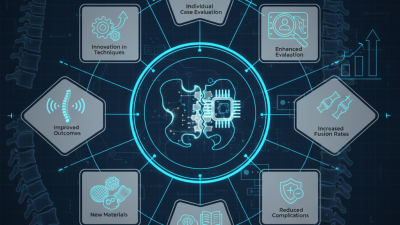










 System Features
 Key Features
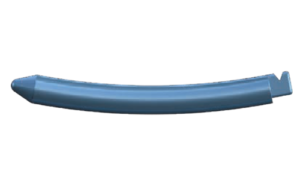 Key Features
 Key Features
 Key Features
 Key Features
 Key Features
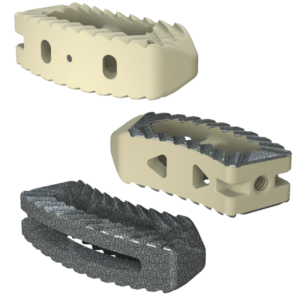

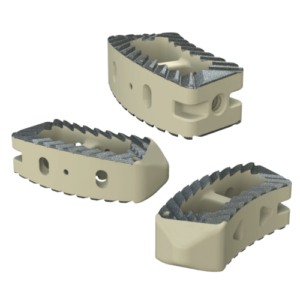



 Key Features
 Key Features
 Key Features