| Quality management system |
The manufacturer should operate a documented medical-device quality system covering design, production, traceability, complaints, corrective actions, and supplier controls. |
ISO 13485:2016; applicable national medical-device requirements |
Current certificate, certification scope, issuing body, expiration date, and latest surveillance-audit status |
Critical |
| Risk management |
Risk controls should address surgical technique, implant migration, subsidence, breakage, wear, corrosion, sterilization, packaging, and foreseeable misuse throughout the product life cycle. |
ISO 14971:2019 |
Risk-management plan, hazard analysis, risk-control matrix, residual-risk evaluation, and post-market feedback linkage |
Critical |
| Biological safety |
Patient-contacting materials, residues, coatings, and manufacturing processes should be assessed for biological safety based on the finished device and its contact characteristics. |
ISO 10993 series, particularly ISO 10993-1 |
Biological-evaluation plan and report, material specifications, chemical-characterization data, and applicable test reports |
Critical |
| Material verification |
Material grade, composition, mechanical properties, surface condition, and lot traceability should match the approved design specifications. |
Relevant ISO, ASTM, or national material specifications; ISO 13485 traceability controls |
Mill certificates, certificates of analysis, incoming-inspection records, lot numbers, and material-change controls |
High |
| Mechanical performance |
Spinal implants and instruments should be tested using methods appropriate to the device type, intended anatomy, loading conditions, and claimed clinical use. |
Applicable ASTM F2077, ASTM F2267, ASTM F2193, or other device-specific methods |
Approved test protocols, laboratory accreditation details, raw data, final reports, acceptance criteria, and deviations |
Critical |
| Design verification and validation |
The supplier should demonstrate that design outputs meet defined requirements and that the finished system performs safely under simulated-use conditions. |
ISO 13485:2016 design-control principles; applicable regulatory guidance |
Design history records, verification and validation plans, simulated-use studies, usability records, and design-review approvals |
Critical |
| Sterilization and sterile barrier |
For sterile products, the validated sterilization process, packaging system, seal integrity, and shelf life should be supported by documented evidence. |
ISO 11135 for ethylene oxide; ISO 11137 for radiation; ISO 11607 for terminally sterilized packaging; applicable standards for other methods |
Sterilization validation, routine-release records, packaging validation, seal-strength testing, transport simulation, and accelerated or real-time aging data |
Critical |
| Regulatory authorization |
The product should have a legally appropriate market pathway in each destination country; registration alone should not be treated as proof of product approval. |
United States: applicable FDA pathway and 21 CFR requirements; European Union: Regulation (EU) 2017/745 (MDR), where applicable |
Valid regulatory authorization or conformity documentation, declaration of conformity, intended-use statement, labeling, and market-specific registration evidence |
Critical |
| United States quality compliance |
For products supplied to the United States, the supplier should demonstrate compliance with the applicable FDA quality-system framework and product-specific requirements. |
21 CFR Part 820 Quality Management System Regulation, effective February 2, 2026; applicable FDA device controls |
FDA establishment and device records where applicable, inspection history, quality procedures, complaint files, and corrective-action records |
Critical |
| Manufacturing capability |
Production equipment, special processes, inspection capacity, clean-area controls, and qualified personnel should be suitable for the implant and instrument range. |
ISO 13485:2016; validated-process requirements; applicable workplace and environmental controls |
Facility audit, process-flow map, equipment-maintenance records, calibration certificates, process-validation reports, and training records |
High |
| Inspection and metrology |
Critical dimensions, interfaces, surface finish, coating characteristics, and functional features should be measured with calibrated equipment and defined sampling plans. |
ISO 13485:2016; ISO/IEC 17025 for competent testing laboratories, where applicable |
Inspection plans, calibration records, measurement-system studies, dimensional reports, nonconformance records, and release criteria |
High |
| Traceability and change control |
Each finished lot should be traceable to materials, processes, inspection results, packaging, sterilization, and distribution records. |
ISO 13485:2016; applicable regulatory traceability requirements |
Lot genealogy, unique identification records where required, engineering-change notices, customer notification procedures, and recall simulation results |
Critical |
| Post-market surveillance |
The supplier should systematically collect complaints, adverse events, returns, field data, and corrective-action trends, with defined escalation timelines. |
ISO 13485:2016; ISO 14971:2019; applicable vigilance and reporting rules |
Complaint procedure, trend reports, vigilance records, field-safety notices, CAPA effectiveness reviews, and periodic safety summaries |
High |
| Supplier and subcontractor control |
Critical external processes, including machining, coating, cleaning, sterilization, packaging, and testing, should be qualified and regularly monitored. |
ISO 13485:2016 supplier-control requirements |
Approved-supplier list, supplier audit reports, quality agreements, performance scorecards, incoming controls, and subcontractor change notifications |
High |
| Documentation and labeling |
Instructions for use, indications, contraindications, warnings, surgical technique, instrument compatibility, storage, and shelf life should be clear and market-appropriate. |
Applicable regional labeling rules; ISO 15223-1 symbols; ISO 20417 information supplied by the manufacturer |
Controlled artwork, multilingual labels, instructions for use, packaging specifications, translation review, and document-change history |
High |
| Commercial and supply reliability |
The supplier should provide stable lead times, realistic minimum order quantities, documented capacity, contingency planning, and responsive technical support. |
Contract-specific service-level requirements; business-continuity and purchasing controls |
Capacity plan, on-time-delivery history, inventory policy, business-continuity plan, escalation contacts, and sample purchase agreement |
High |












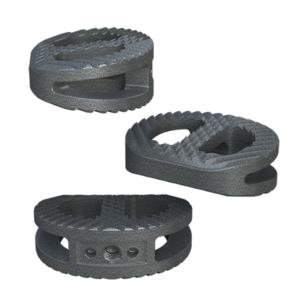 System Features
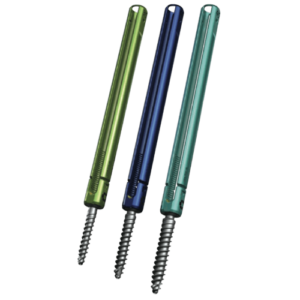 Key Features
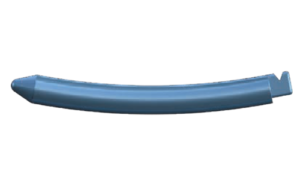 Key Features
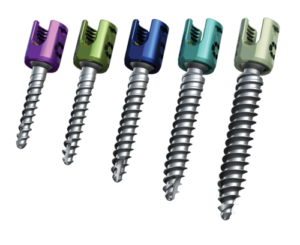 Key Features
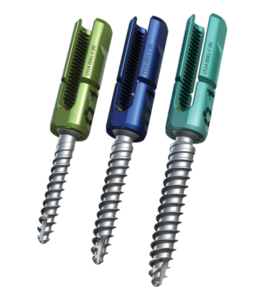 Key Features
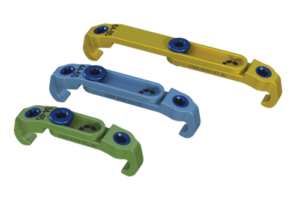 Key Features
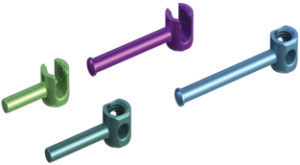 Key Features
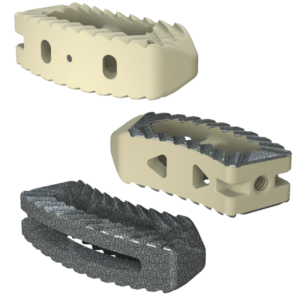
 Key Features
 Key Features
 Key Features