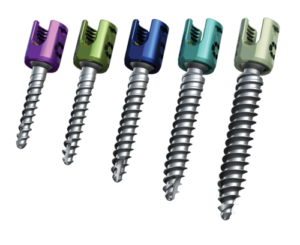
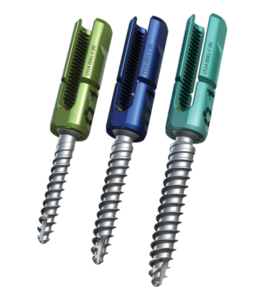
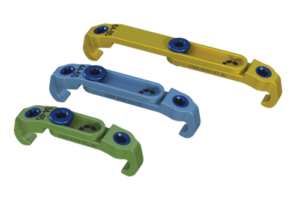
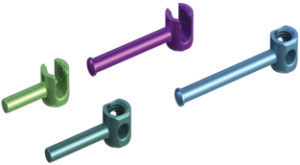
7 Tips for Choosing an Inspire Spine Supplier

Choosing an inspire spine supplier requires more than comparing prices or browsing a polished website. Surgical teams need reliable products, responsive service, and evidence that supports every important claim. A supplier’s experience should appear in practical details, such as clear product specifications, consistent packaging, and documented quality procedures.

Look closely at regulatory records, manufacturing standards, and lot traceability. Can the supplier identify where each component was produced and inspected? Ask about inventory levels, delivery times, and what happens when an item is delayed. Small details matter. A missing instrument can disrupt an entire operating schedule.

Technical support also deserves careful attention. Experienced representatives should explain product features without making unsupported clinical promises. They should provide appropriate training materials and respond quickly to questions from surgeons, nurses, and purchasing teams. Review complaint procedures, warranty terms, and post-sale communication before signing an agreement.

No supplier is perfect. Even experienced buyers can overlook a vague return policy or an untested delivery promise. That is why references, audits, and documented conversations remain valuable. Speak with current customers when possible, and verify information independently with qualified medical professionals and relevant authorities.

These seven tips can help buyers assess an inspire spine supplier with greater confidence. The goal is not to find the cheapest option. It is to choose a dependable partner that supports patient safety, operational continuity, and responsible long-term decision-making.

7 Tips for Choosing an Inspire Spine Supplier

Define Your Clinical and Operational Requirements

Define Your Clinical and Operational Requirements

Tip: Start with the care setting. List the patient population, clinician roles, and procedures your team supports. Note practical details, such as room dimensions, available imaging equipment, and how often staff can complete training. Requirements vary between facilities, so avoid relying on another organization’s checklist.

Tip: Map the full workflow before contacting suppliers. Identify who evaluates compatibility, handles delivery, maintains records, and supports staff questions. Ask what documentation is available and how product updates are communicated. A clear answer matters. Vague promises can make later planning harder. Check that the proposed supply process fits your facility’s purchasing and inventory procedures.

Tip: Separate essential requirements from preferences. A simple table can help: item, reason, responsible reviewer, and evidence needed. Include storage conditions, packaging, traceability, lead times, and replacement procedures where relevant. Confirm technical details with qualified clinical and procurement staff; this article cannot determine suitability for a particular patient or facility. Be candid about what remains uncertain. Teams sometimes overlook after-hours support or staff turnover, and those gaps may only become obvious during a busy week. Revisit the list with the people who will use and manage the supplies.

Verify the Supplier’s Experience and Credentials

Before choosing an Inspire Spine supplier, verify its experience with the exact products and processes you need. Ask how long it has supplied spinal implants, which materials it handles, and whether its team can provide traceability records for each lot. A polished certificate is not enough. Check its scope, issuing body, expiry date, and whether the listed facility matches the one that will manufacture or distribute your order. The World Health Organization’s Global Atlas of Medical Devices describes more than 2 million medical device types across roughly 7,000 generic groups. That breadth makes product-specific experience important; a supplier familiar with general medical components may not understand spine-product documentation or handling needs.

Review quality credentials against recognized standards, including ISO 13485, and confirm that certificates are current and applicable to the relevant site and product category. Request audit summaries, corrective-action records, and examples of how the supplier resolved a quality issue. Look for concrete details: a dated lot record, a clear inspection sign-off, and a named quality contact who answers technical questions. Then verify any required registrations or authorizations through the relevant official database, rather than relying only on a sales representative’s statement. Small checks matter. I would also ask for a customer reference with comparable order volumes. This takes time, and sometimes the paperwork still feels incomplete; that discomfort is worth examining before committing.

7 Tips for Choosing an Inspire Spine Supplier - Verify the Supplier’s Experience and Credentials

Verification area What to check How to verify it Questions to ask
Relevant product experience Experience supplying the specific categories of spinal implants, instruments, or related products you require. Review product documentation, service history, and references from comparable healthcare organizations, where available. How long have you supplied this product category, and what support do you provide after delivery?
Quality management system A current quality-system certificate, such as ISO 13485, when applicable to the supplier’s role and operations. Check the certificate’s issuing body, validity dates, sites, and scope. Confirm that the scope covers the relevant activities and products. Can you provide the certificate and explain which locations and activities it covers?
Regulatory status Evidence that the product’s regulatory pathway and market authorization are appropriate for the destination market and intended use. Check applicable regulator records and product documentation. Requirements vary by product and jurisdiction. In the United States, FDA establishment registration or device listing alone does not mean that a device is FDA-approved. What regulatory authorization applies to this product in the market where it will be used?
Authorized supply chain The supplier’s role in the supply chain and its authorization to distribute the products, where authorization is required. Request current authorization documents and confirm them with the legal manufacturer or relevant authorized party. Are you the manufacturer, an authorized distributor, or another type of supplier?
Traceability and records The ability to trace products using applicable identifiers, such as lot, batch, or serial numbers, and to maintain relevant distribution records. Review sample records, labeling, and procedures for order history, returns, and safety notices. What information can you provide to trace a supplied product from receipt to delivery?
Complaint and recall handling Documented processes for receiving complaints, escalating product concerns, and communicating relevant field actions or recalls. Ask for a description of the procedures and how customers are notified. Check public regulator safety notices where relevant. Who should be contacted to report a product concern, and how are urgent notices communicated?
Training and technical support Role-appropriate product training and technical support, delivered by qualified personnel and consistent with the product’s instructions for use. Review training materials, personnel qualifications, support availability, and any limits on the supplier’s clinical role. What training and technical support are included, and who provides them?

Note: Verify requirements with the relevant regulatory authority and qualified procurement or compliance personnel. Credentials and regulatory obligations depend on the supplier’s role, the product, and the market.

Assess Product Compatibility and Availability

A spine supplier should match the exact implant system, not merely offer a similar-looking part. Check approved sizes, materials, connection types, and compatible instruments against your facility’s procedure list. Ask for current product catalogs and written compatibility documentation. A tray that arrives without the correct driver can delay a case. Small details matter.

Availability deserves the same scrutiny. Request typical lead times, local stock levels, back-order history, and a clear process for urgent replenishment. Confirm that sterile packaging, lot numbers, and expiry dates are visible on receipt. The World Health Organization’s Global Patient Safety Report 2024 estimates that one in ten patients experiences harm in health care; many incidents are preventable. Reliable product identification and supply checks support safer workflows, though they cannot replace clinical review.

Ask the supplier to demonstrate how it handles substitutions and discontinued components. A replacement may fit on paper but still require surgeon approval and instrument verification. Request sample order records or a mock case pack, then check every item against the planned procedure. WHO also reports that about half of patient harm is preventable. These figures cover health care broadly, not spine supply alone. That distinction matters. A polished availability promise is not enough; written evidence and realistic delivery dates are more useful.

Review Quality Standards and Regulatory Compliance

Choosing a spine supplier requires more than comparing prices or reviewing a polished website. Quality standards should be visible in daily operations, not only in certificates. Look for a documented quality management system, such as ISO 13485 certification, supported by recent audit records. Ask how the supplier controls raw materials, machining, cleaning, packaging, and final release. Small details matter. Lot numbers should remain traceable from incoming material to shipment.

Regulatory compliance deserves close attention. Confirm that the supplier understands the requirements in your target markets and maintains current technical documentation. Review risk management files, biocompatibility evidence, sterilization validation, and product-change procedures. A reliable supplier should explain how it reports complaints, manages corrective actions, and investigates deviations. Ask for examples with sensitive information removed. Evidence speaks louder than confidence.

A factory visit can reveal practical weaknesses. Watch whether employees identify materials clearly and record inspections at the workstation. Check storage conditions, calibration labels, and access controls for production records. I have learned that a neat certificate folder can still hide inconsistent processes. That possibility deserves honest discussion. Suppliers should welcome reasonable questions and provide clear timelines for missing documents. Be cautious when answers remain vague or depend on future promises. Compliance is not a one-time approval. It requires training, monitoring, internal audits, and willingness to correct mistakes. Even strong systems can fail without disciplined follow-through.

7 Tips for Choosing an Inspire Spine Supplier

Review Quality Standards and Regulatory Compliance

The chart highlights key edition, application, and effective years for quality and regulatory frameworks. When assessing a supplier, verify applicable certificates, their scope, traceability practices, and evidence of compliance for your target markets. Requirements depend on the supplier’s role and the products supplied; these dates are not supplier ratings.

Compare Support Services, Pricing, and Delivery Terms

7 Tips for Choosing an Inspire Spine Supplier

Compare service, price, and delivery terms before evaluating a spine supplier. AHRMM’s healthcare supply-chain benchmarking materials cite supply costs at roughly 30–40% of hospital operating expenses. That makes unclear fees worth investigating. Request an itemized quote covering product costs, shipping, rush orders, and any restocking charges. Ask for written warranty terms and a named contact for technical questions. Small details matter.

Tip: Test the support, not just the sales pitch. Ask how quickly the supplier responds to order issues, handles damaged shipments, and provides current product documentation. Check whether staff can answer practical questions about sizing, packaging, and traceability. Request service-level targets in writing, then verify performance through references or past order records. A polished brochure is not proof.

Tip: Compare delivery promises line by line. Ask for typical and worst-case lead times, cutoff times, back-order procedures, and shipment tracking. Confirm how partial orders are handled and whether delivery dates are guaranteed or estimated. The World Bank’s 2023 Logistics Performance Index evaluates countries on factors including shipment timeliness and tracking; those same basics deserve attention in supplier discussions. Put agreed terms into the purchase agreement. Then review them after a few orders, because real delivery patterns may differ from the estimate.