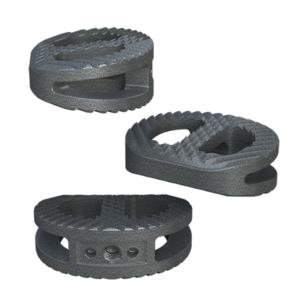
| Posterior Lumbar Interbody Fusion Cages |
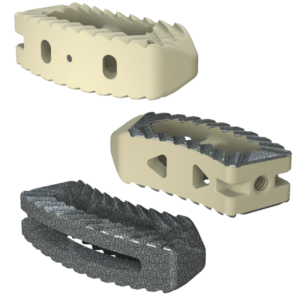
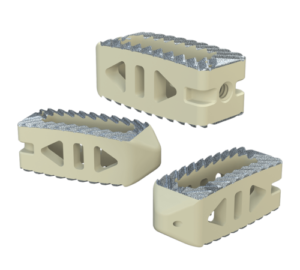
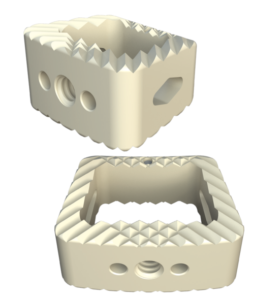
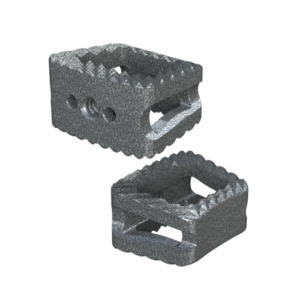
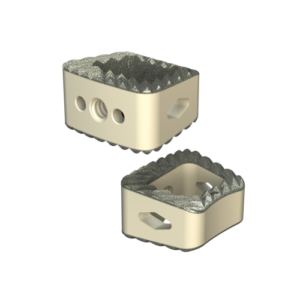
PEEK, titanium alloy, porous titanium, or composite structures |
Open or graft-windowed cage geometry designed for insertion through a posterior or transforaminal corridor |
Restores intervertebral disc height and provides a space for bone graft during lumbar fusion |
Footprint, height options, lordotic angle, radiographic markers, and compatibility with the surgical approach |
| Expandable TLIF Cages |
Commonly titanium alloy or titanium-based expandable assemblies |
Adjustable height and, in some designs, adjustable lordosis after insertion |
Facilitates disc-space height restoration through a comparatively small insertion profile |
Controlled expansion, endplate contact, subsidence risk, locking mechanism, and deployment visibility |
| Static Lordotic Cages |
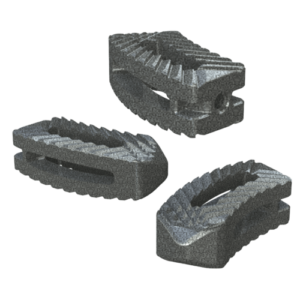
PEEK or titanium-based implant bodies with fixed angular geometry |
Predefined lordotic angles and fixed implant dimensions |
Supports interbody fusion while helping reproduce segmental spinal alignment |
Patient anatomy, endplate preparation, cage size, implant stability, and desired sagittal alignment |
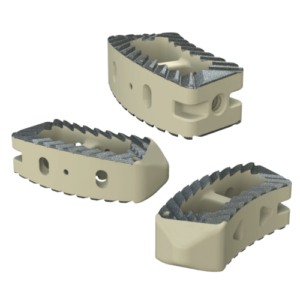
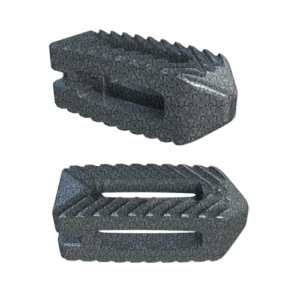
| Porous Titanium Cages |
Three-dimensional porous titanium with a solid or partially solid structural frame |
Porous architecture intended to support bone in-growth and provide radiographic visibility |
Provides structural support and an interbody environment for fusion |
Porosity, elastic behavior, endplate interaction, graft requirements, and imaging characteristics |
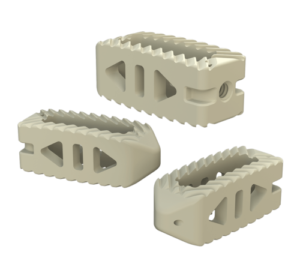
| PEEK Interbody Cages |
Radiolucent polyether ether ketone, often with radiopaque markers |
Radiolucent body allows assessment of the fusion area; may include textured or coated surfaces |
Maintains disc-space height while allowing postoperative visualization of bone formation |
Surface treatment, marker placement, cage migration resistance, footprint, and subsidence control |
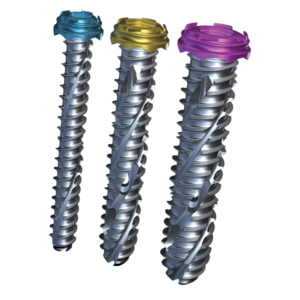
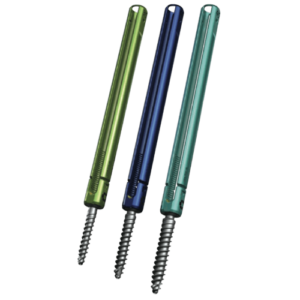
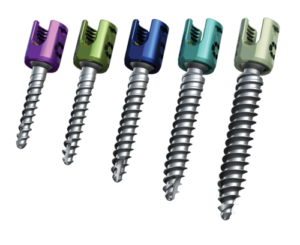
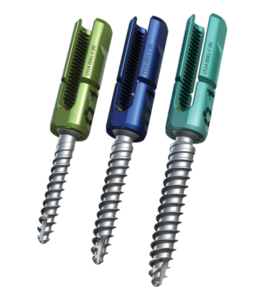
| Pedicle Screw and Rod Systems |
Titanium alloy, cobalt-chromium alloy, or combinations of spinal fixation components |
Polyaxial or fixed-angle screws connected by rods and locking elements |
Provides posterior segmental stabilization and supplements the interbody construct |
Screw diameter and length, fixation levels, rod contouring, reduction capability, and construct rigidity |
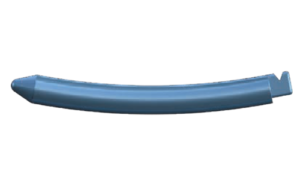
| Minimally Invasive TLIF Instrumentation |
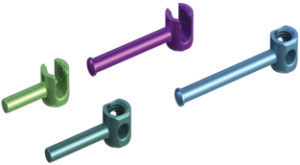
Reusable surgical instruments with compatible implant delivery components |
Tubular or percutaneous access systems, specialized inserters, dilators, and retraction tools |
Supports reduced-access decompression, cage insertion, and posterior fixation procedures |
Working-channel size, instrument ergonomics, visualization, compatibility, and procedural workflow |
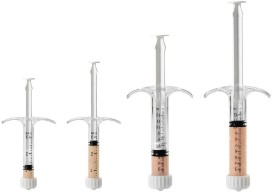
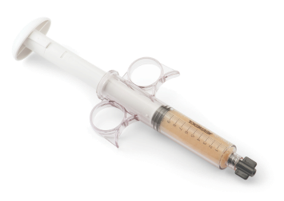
| Bone Graft Delivery and Preparation Tools |
Metallic or polymeric instruments, graft funnels, impactors, and packing tools |
Designed for preparation, containment, and delivery of autograft or bone-graft substitute |
Improves placement of graft material inside and around the interbody cage |
Graft volume, delivery control, access through the operative corridor, and ease of cleaning or disposal |
| Integrated Interbody-Fixation Constructs |
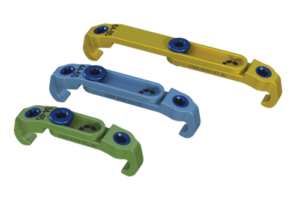
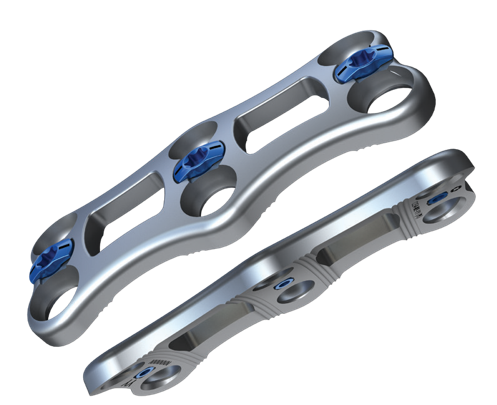
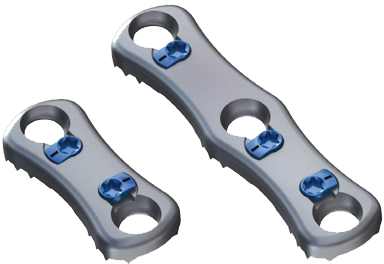
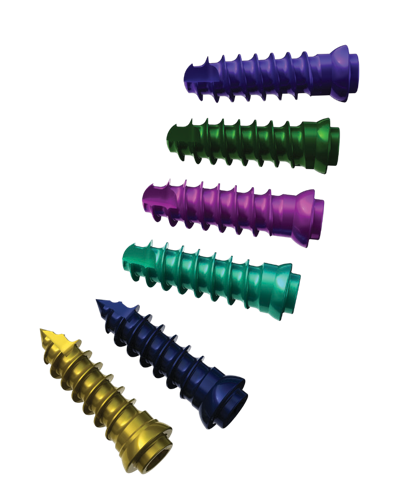
Interbody cage combined with screws, anchors, or supplemental fixation features |
Combines disc-space support with localized fixation in a single construct |
May provide additional cage stability in selected lumbar fusion procedures |
Anchorage method, vertebral anatomy, implant trajectory, load transfer, and surgeon preference |









 System Features
 Key Features
 Key Features
 Key Features
 Key Features
 Key Features
 Key Features
 Key Features
 Key Features
 Key Features