How to Choose the Right Orthopedic Surgeon?
Choosing the right orthopedic surgeon can feel like selecting a pilot for unfamiliar terrain. Your knee, hip, shoulder, or spine deserves more than a polished website and a confident promise.
A qualified orthopedic surgeon should have appropriate board certification, focused training, and meaningful experience with your specific condition. A specialist who performs hundreds of hip replacements may not be the best choice for a complex shoulder injury. Ask how often the surgeon performs your recommended procedure. Request clear information about benefits, risks, recovery time, and non-surgical options. Good answers should feel understandable, not rushed.
Orthopedic surgeon James R. Andrews is often quoted saying, “If you don’t have to have surgery, don’t have surgery.” That principle encourages careful judgment rather than automatic treatment. Look for a surgeon who examines your medical history, reviews imaging personally, and welcomes a second opinion. Hospital quality, infection rates, rehabilitation support, and communication also matter. So does listening.
No checklist is perfect. A highly experienced surgeon may not match your communication needs. A warm bedside manner cannot replace technical skill. The strongest choice usually combines both. Notice whether your questions receive specific answers. Notice whether the consultation leaves you informed, not pressured.
This guide will explore credentials, subspecialty expertise, surgical experience, patient reviews, hospital standards, and consultation questions. It will also examine warning signs, because confidence can sometimes resemble certainty. Choosing carefully may take extra time. That time could protect your mobility, expectations, and long-term recovery.

Define the Orthopedic Care You Need
How to Choose the Right Orthopedic Surgeon?
Define the Orthopedic Care You Need
Choosing an orthopedic surgeon begins with defining the care your body actually needs. A painful knee may involve arthritis, a ligament injury, or referred pain from the hip. Do not select a specialist from symptoms alone. Start with a clear examination, appropriate imaging, and a careful discussion of daily limitations. Ask whether treatment should involve physical therapy, medication, injections, or surgery. An experienced surgeon should explain each option in plain language. They should also discuss recovery time, possible complications, and expected results.
Tips: Write down your symptoms. Note when pain worsens. Bring previous scans and medication details. Ask how often the surgeon treats your condition. A second opinion can reveal overlooked options. It may feel unnecessary, but uncertainty deserves attention.
Check the surgeon’s training, licensing, hospital privileges, and experience with your specific problem. Professional credentials matter, but communication matters too. Notice whether the consultation feels rushed. You should have time to ask difficult questions. Be cautious when someone promises a perfect outcome. Healing varies between patients, and even sound treatment plans can change. I once assumed the most advanced procedure was automatically best. That assumption was wrong. The right surgeon matches proven expertise with your goals, health, work demands, and comfort level.
Verify the Surgeon’s Training, Credentials, and Experience
How to Choose the Right Orthopedic Surgeon?
Verify the Surgeon’s Training, Credentials, and Experience
Choosing an orthopedic surgeon requires more than reading online reviews. A polished website can still leave important questions unanswered. Look beyond the diploma.
Check the surgeon’s medical license, board certification, and hospital privileges through reliable official sources. Confirm specialized training in the procedure you may need, such as joint replacement, sports injury repair, or spinal treatment. Fellowship training can show focused education, but it does not prove perfect results. Details matter.
Ask how often the surgeon performs your specific procedure each year. Experience with one operation may not represent skill in another. Request clear information about common complications, recovery time, and expected limitations. A trustworthy surgeon should explain risks without rushing you. They should also discuss reasonable alternatives, including non-surgical care when appropriate.
Pay attention to communication during the consultation. Does the surgeon review your imaging carefully? Do they answer questions in plain language? Can they explain who will manage follow-up care? These practical details often reveal professional reliability better than impressive titles. Ask about continuing education and how outcomes are monitored. If the answers feel vague, seek another qualified opinion.
Credentials can be difficult to interpret. I would not treat one certificate as a final decision. Experience, current training, verified authority, and honest communication should be considered together. Your comfort matters, but it should support careful checking, not replace it.
Compare Treatment Expertise and Surgical Outcomes
How to Choose the Right Orthopedic Surgeon?
Treatment expertise should match your specific injury, not just the surgeon’s general reputation. A knee replacement specialist may not offer the same skill with complex ligament repair. Ask how often the surgeon performs your procedure each year. Request details about training, current credentials, and experience with patients who have similar conditions. A careful surgeon should explain non-surgical options too. That conversation reveals judgment.
Surgical outcomes need more than impressive percentages. Ask about infection rates, readmissions, revision surgery, pain improvement, and recovery time. Reliable figures should reflect recent patients and similar case complexity. A surgeon treating many difficult cases may show different results than one treating routine injuries. Compare fairly. Patient-reported outcomes can reveal whether people regained walking ability, sleep, or daily function. Hospital records and independent audits provide stronger evidence than testimonials alone.
Follow-up care also affects outcomes. Ask who manages complications after discharge and how rehabilitation is coordinated. During a consultation, notice whether the surgeon answers directly or rushes through risks. No surgeon has a perfect record. I would be cautious of anyone promising one. Even experienced surgeons face unexpected bleeding, delayed healing, or persistent discomfort. Your own health, smoking history, bone quality, and commitment to rehabilitation can change the result. Write down answers, review them later, and seek another opinion when the comparison remains unclear.
How to Choose the Right Orthopedic Surgeon?
Compare treatment expertise with long-term surgical outcomes
The chart shows approximate 10-year revision-free survival benchmarks for common primary joint replacement procedures.
When comparing surgeons, ask about procedure-specific experience, annual case volume, risk-adjusted complication rates,
patient-reported outcomes, and how their results compare with national registry benchmarks. These figures are population-level
benchmarks and do not represent the results of any individual surgeon.
Source: National Joint Registry, 20th Annual Report, England, Wales and Northern Ireland.
Assess Hospital Quality, Technology, and Safety Standards
Choosing an orthopedic surgeon requires more than reviewing credentials.
Examine the hospital’s measurable safety record, including infection rates, readmissions, surgical complications, and emergency response procedures. The World Health Organization reports that about one in ten patients experiences harm during healthcare, and more than half of this harm may be preventable. Ask whether the hospital uses a surgical safety checklist and publishes outcome data.
Technology should support sound clinical judgment, not replace it. Ask how imaging, navigation systems, robotic assistance, or minimally invasive tools improve your specific procedure. The American College of Surgeons National Surgical Quality Improvement Program uses risk-adjusted data to compare surgical outcomes across hospitals. However, impressive equipment does not guarantee better care. Staff training, maintenance records, and realistic patient selection matter more than a showroom appearance.
Tips:
Request the hospital’s latest orthopedic outcomes report. Ask about infection rates, staffing levels, rehabilitation access, and after-hours coverage. Confirm who will manage complications. Notice whether explanations are clear.
A reliable hospital should explain risks in plain language. It should also welcome a second opinion. The Agency for Healthcare Research and Quality’s 2023 quality report highlights persistent differences in care quality and access across patient groups. That finding deserves reflection: a technically advanced hospital may still provide uneven experiences. I would compare several data points, not trust one rating. Personal comfort matters, but it should not replace evidence.
Evaluate Communication, Costs, and Follow-Up Care
How to Choose the Right Orthopedic Surgeon?
Choosing an orthopedic surgeon involves more than surgical volume or impressive credentials. Start with communication. Ask the surgeon to explain your diagnosis, recommended procedure, alternatives, and likely risks in plain language. Notice whether they pause for questions or rush toward consent. A reliable specialist should discuss experience with your specific condition and acknowledge uncertainty when evidence is limited. Bring a written list. Repeat the plan in your own words. If the explanation still feels foggy, that matters.
Costs require equal attention. Request a written estimate covering the surgeon, hospital, anesthesia, imaging, implants, and rehabilitation. Ask what insurance may exclude and when payment is due. A low initial figure can become stressful after separate facility charges appear. Estimates can change, unfortunately. Ask how unexpected costs are handled, and keep every document.
Follow-up care should be specific before surgery. Ask when the first review occurs, who answers urgent questions, and how pain or wound concerns are assessed after discharge. Confirm the rehabilitation schedule, activity limits, and warning signs that need immediate attention. Some practices offer phone or video reviews, but physical examinations may still be necessary. I would also ask who manages complications after office hours. That detail is easy to overlook. A surgeon who welcomes these questions may be easier to trust during recovery.











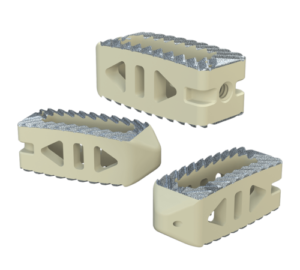
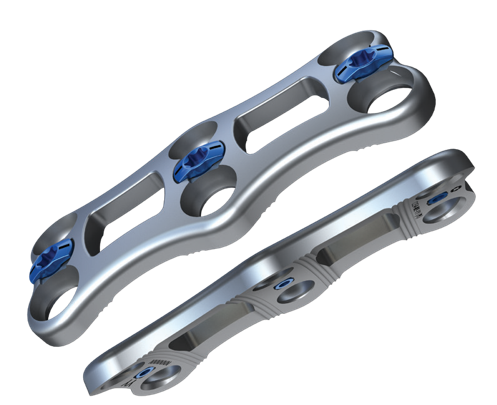
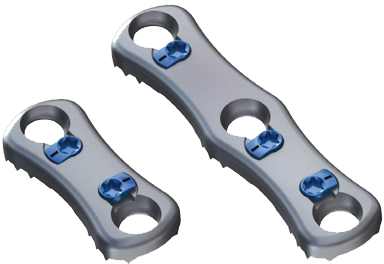
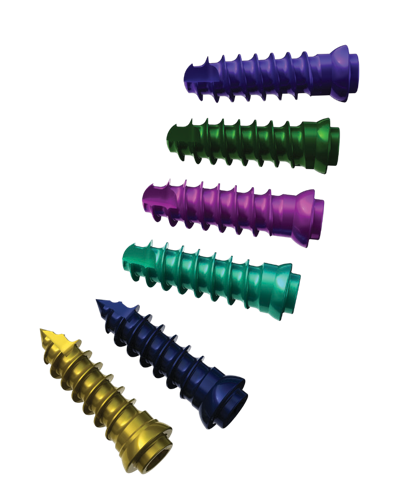
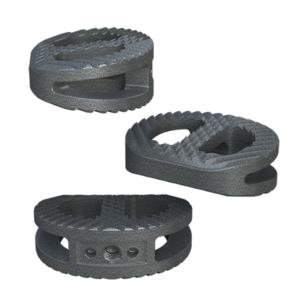 System Features
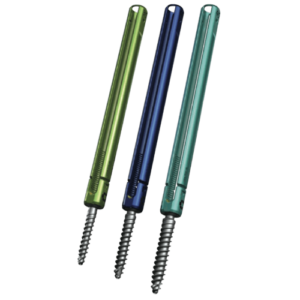 Key Features
 Key Features
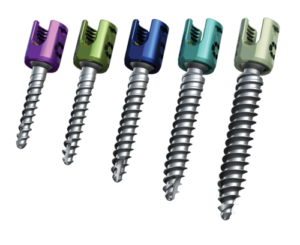 Key Features
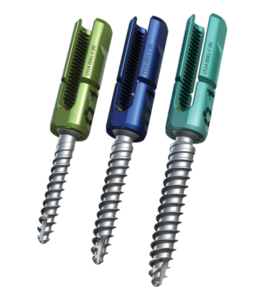 Key Features
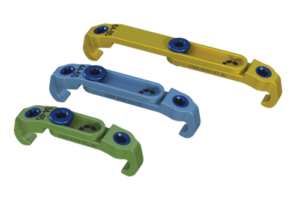 Key Features
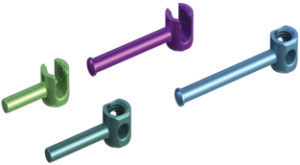 Key Features
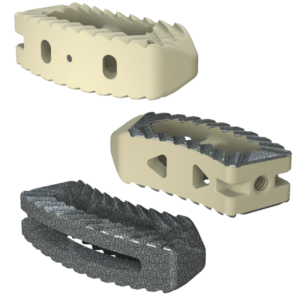
 Key Features
 Key Features
 Key Features