| Cutting and Dissecting |
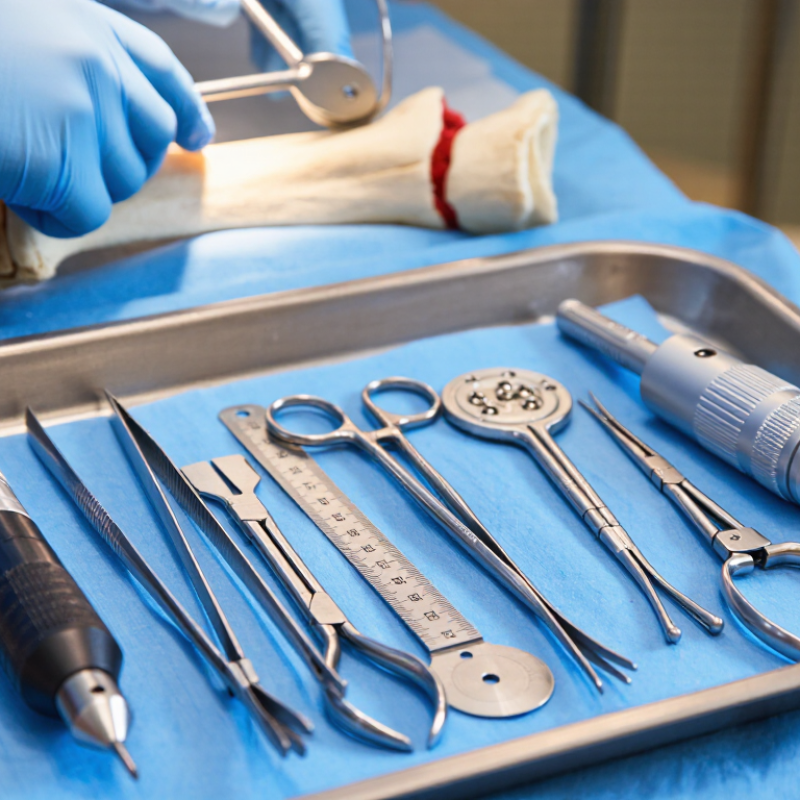
Scalpels, osteotomes, bone knives, rongeurs |
Incising soft tissue, cutting bone, and removing small bone fragments |
Surgical stainless steel, hardened steel, tungsten carbide inserts |
Sharpness control, secure handling, inspection for chips or deformation, validated cleaning and sterilization |
Improved edge geometry, modular tips, and ergonomic handles designed to reduce hand fatigue |
| Drilling and Reaming |
Drill bits, cannulated drills, reamers, trephines |
Creating or enlarging bone channels for screws, nails, stems, and other implants |
Stainless steel, cobalt-containing alloys, carbide cutting surfaces |
Control of drilling speed, prevention of overheating, irrigation where appropriate, and removal of bone debris |
Cannulated designs, depth-control systems, low-profile attachments, and navigation-compatible instruments |
| Bone Holding and Reduction |
Reduction forceps, bone clamps, holding forceps, pointed clamps |
Aligning and temporarily stabilizing fractured bone during fixation |
Surgical stainless steel, titanium alloys, polymer-coated grip components |
Avoiding excessive compression, protecting soft tissue, maintaining reliable locking action |
Radiolucent components, improved ratcheting mechanisms, and patient-specific reduction guides |
| Implant Placement and Fixation |
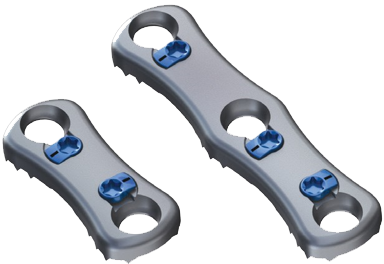
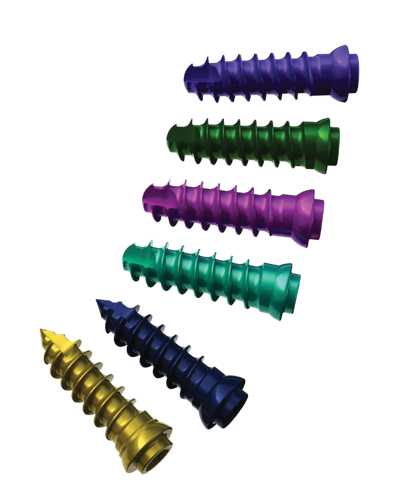
Screwdrivers, torque-limiting handles, targeting guides, insertion instruments |
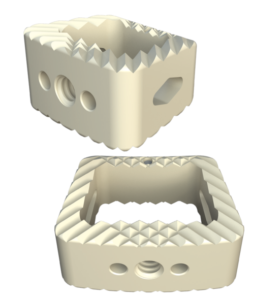
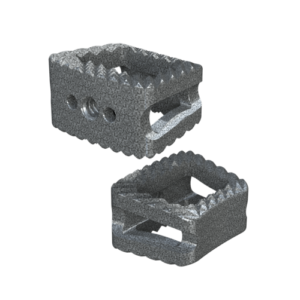
Positioning plates, screws, intramedullary nails, and joint-replacement components |
Stainless steel, titanium alloys, cobalt-chromium alloys, engineering polymers |
Correct implant compatibility, controlled torque, secure instrument engagement, and prevention of retained components |
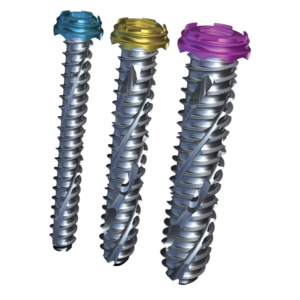
Torque-limiting devices, color or size coding, locking interfaces, and digital procedure guidance |
| Impaction and Extraction |
Mallets, impactors, slap hammers, extraction tools |
Seating implants, inserting grafts, or removing failed hardware and components |
Stainless steel, titanium alloys, polymer or silicone impact surfaces |
Controlled impact force, secure attachment, inspection for cracks, and protection of surrounding bone |
Interchangeable impact surfaces, force-distributing tips, and modular extraction systems |
| Retracting and Exposure |
Self-retaining retractors, handheld retractors, soft-tissue elevators |
Holding tissue away from the operative field to improve visualization and access |
Stainless steel, titanium, aluminum, medical-grade polymers |
Minimizing tissue pressure, preventing slippage, and maintaining clear visibility without excessive force |
Low-profile blades, adjustable retractor systems, and illumination or camera integration |
| Measuring and Alignment |
Depth gauges, calipers, alignment rods, angle guides |
Determining hole depth, implant size, limb alignment, and component orientation |
Stainless steel, anodized aluminum, titanium alloys, radiolucent polymers |
Clear measurement markings, calibration checks, correct anatomical reference points, and secure positioning |
Digital measurement, optical tracking, three-dimensional planning, and patient-specific guides |
| Powered Instruments |
Electric or pneumatic drills, saws, burrs, and power reamers |
Efficient bone cutting, preparation of implant beds, and shaping of bone surfaces |
Stainless steel, carbide, diamond-coated or abrasive cutting surfaces |
Thermal injury prevention, guard use, blade integrity, electrical or pneumatic safety, and effective cleaning |
Brushless motors, improved battery systems, variable-speed control, and low-vibration handpieces |
| Arthroscopy Instruments |
Arthroscopes, shavers, graspers, punches, cannulas |
Inspecting and treating joints through small portals, including cartilage and soft-tissue procedures |
Stainless steel, optical glass, medical-grade polymers, fiber-optic components |
Maintaining visualization, fluid management, portal control, sterility, and safe tissue handling |
High-definition imaging, improved optics, disposable accessories, and smaller-diameter instruments |
| Sterilization and Instrument Management |
Instrument trays, cleaning brushes, inspection aids, sterilization containers |
Supporting decontamination, inspection, packaging, sterilization, storage, and traceability |
Stainless steel, medical-grade aluminum, silicone, validated packaging materials |
Following manufacturer reprocessing instructions, cleaning hard-to-reach areas, checking function, and documenting cycles |
Tracking systems, automated washer-disinfectors, improved tray layouts, and instruments designed for easier disassembly |
| Safety and Quality Framework |
Risk management, material selection, reprocessing validation, and quality control |
Reducing infection, mechanical failure, tissue injury, measurement error, and device-related complications |
Biocompatible metals, corrosion-resistant alloys, medical-grade polymers, and validated packaging |
Risk assessment, design verification, usability evaluation, sterilization validation, routine inspection, and staff training |
Digital traceability, computer-assisted surgery, robotics, additive manufacturing, and data-supported workflow planning |










 System Features
 Key Features
 Key Features
 Key Features
 Key Features
 Key Features
 Key Features
 Key Features
 Key Features
 Key Features