| 1. Confirm regulatory status and intended use |
Check that the specific implant model is authorized or registered for sale in the intended country and that its labeled indications match the planned procedure. |
Request the applicable authorization or registration details, current instructions for use, contraindications, and product labeling. |
The seller cannot provide current documentation or makes claims beyond the product’s labeled indications. |
| 2. Review material and manufacturing controls |
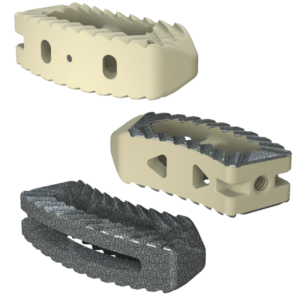
Verify the implant’s material specification, traceability, manufacturing controls, and quality-system documentation. PEEK components may differ in design and material grade. |
Ask for material and lot traceability information, quality-system certificates where applicable, and a process for handling nonconforming products. |
Material details or lot identification are unavailable, or quality claims cannot be supported with documentation. |
| 3. Compare design and fit options |
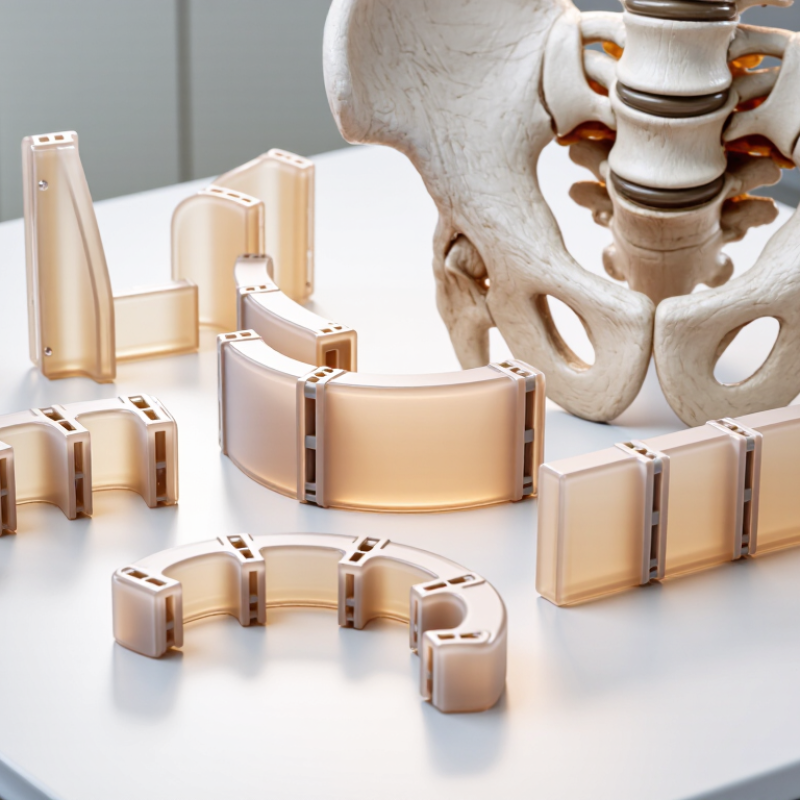
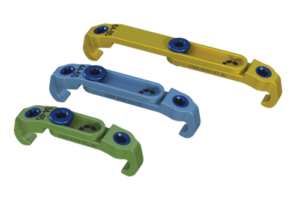
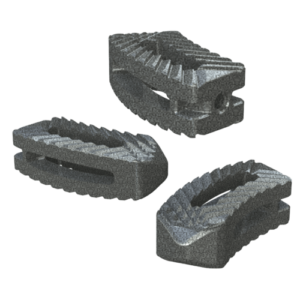
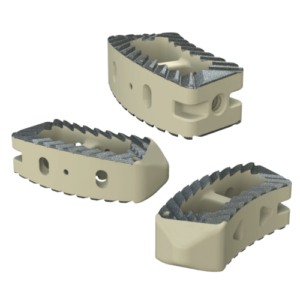
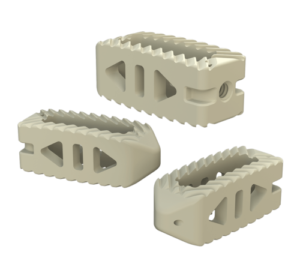
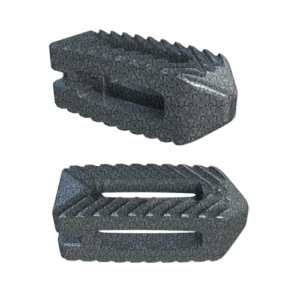
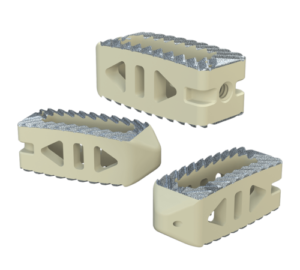
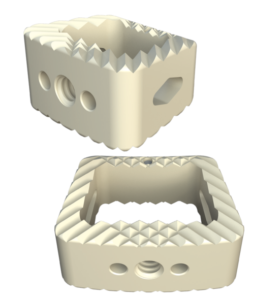
Compare available footprints, heights, lordotic angles, endplate features, and graft-space design against the surgeon’s requirements and patient anatomy. |
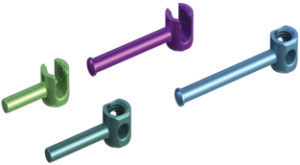
Request dimensional drawings, sizing charts, surgical technique guides, and details of any compatible fixation components. |
Sizing information is incomplete, or compatibility between the implant and required instruments or components is unclear. |
| 4. Check imaging and MRI information |
PEEK is generally radiolucent, but the complete implant may include radiographic markers or other components. Imaging visibility and MRI conditions are device-specific. |
Review the labeling for marker material, imaging guidance, and any MRI safety conditions or restrictions for the complete implant system. |
MRI safety or imaging claims are based only on the PEEK material and not on the complete device labeling. |
| 5. Assess clinical evidence carefully |
Look for evidence relevant to the specific device design, indication, and patient group. Outcomes can vary, and results from one implant should not automatically be applied to another. |
Ask for peer-reviewed studies, study limitations, follow-up duration, and any applicable post-market safety information. |
Only testimonials or broad performance claims are offered without verifiable supporting evidence. |
| 6. Compare total cost, not just unit price |
Include the implant, instruments, delivery, sterilization or reprocessing requirements, training, replacement items, and any service or contract fees. |
Request an itemized quotation, terms for price changes, delivery charges, and written details of what is included or excluded. |
The quoted price omits required instruments or recurring costs, or key terms are not provided in writing. |
| 7. Verify supply, training, and after-sales support |
Evaluate product availability, instrument support, staff training, complaint handling, and the process for reporting safety issues or requesting replacements. |
Ask for written service contacts, response expectations, training options, delivery lead times, and procedures for recalls or field safety notices. |
Support arrangements are informal, response responsibilities are unclear, or supply continuity cannot be explained. |








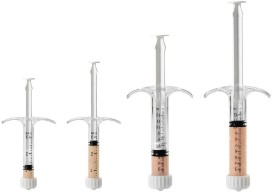
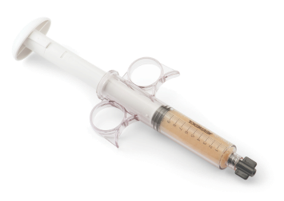
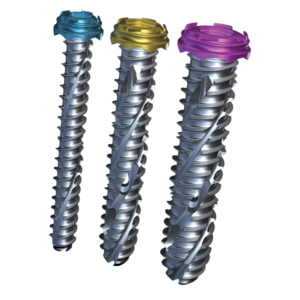

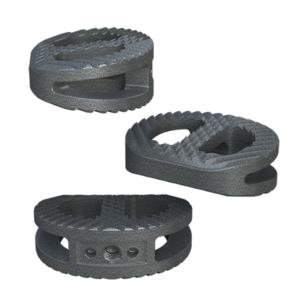 System Features
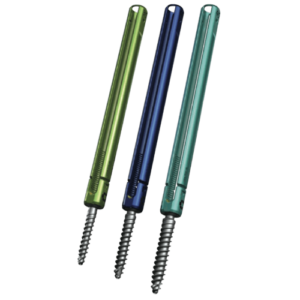 Key Features
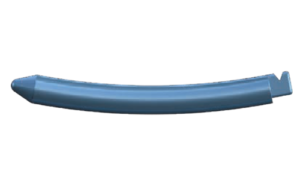 Key Features
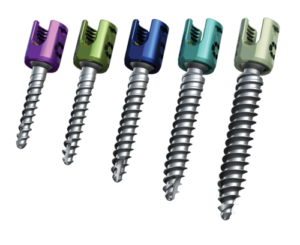 Key Features
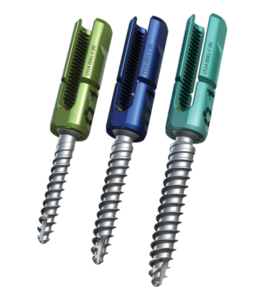 Key Features
 Key Features
 Key Features
 Key Features
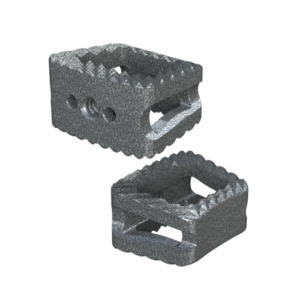 Key Features
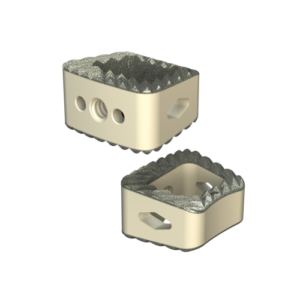 Key Features