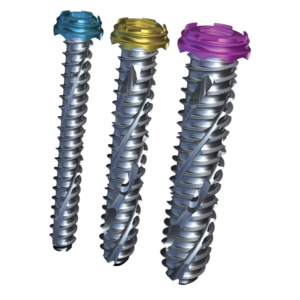
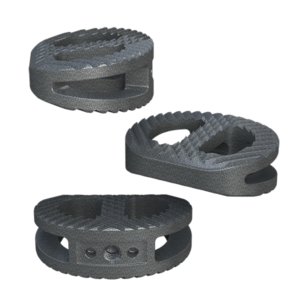
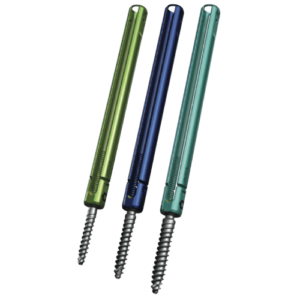
2026 How to Find Posterior Lumbar Fusion Manufacturers?

Finding a dependable posterior lumbar fusion manufacturer in 2026 requires more than comparing product catalogs or attractive prices. Hospitals, distributors, and medical device buyers need evidence connecting engineering decisions with patient safety. A serious review examines implant materials, cage design, instrument compatibility, sterilization controls, and packaging integrity. It also considers whether the manufacturer can support changing surgical techniques without making vague promises. Ask for certificates, quality-system records, validation summaries, and traceability procedures. Look for documented compliance with applicable medical-device requirements in target markets. Claims should be checked, not simply repeated. Small details matter. A mislabeled tray or unclear lot number can delay a procedure and complicate recall management.

This guide explains practical ways to identify and compare posterior lumbar fusion manufacturers, from initial research to factory evaluation and supplier qualification. It encourages direct conversations with quality managers, engineers, and clinical advisors, rather than relying on polished websites. Site visits can reveal inspection stations, clean storage areas, operator training records, and procedures for handling nonconforming products. Independent testing and customer references provide useful perspective, especially when suppliers present long-term clinical evidence. Cost remains important, but the lowest quotation may hide training gaps, inconsistent lead times, or limited after-sales support. No checklist is perfect. Even experienced buyers can overlook communication risks across languages, time zones, and regulatory systems. A careful decision balances technical capability, ethical conduct, transparent documentation, production capacity, and dependable service. The goal is not merely to locate a factory, but to build a responsible supply relationship that protects surgeons, hospitals, and patients.

2026 How to Find Posterior Lumbar Fusion Manufacturers?

Define Product Requirements: ASTM F1717, ISO 10993, and 510(k) Needs

When searching for posterior lumbar fusion manufacturers, define the evidence package before comparing prices. ASTM F1717 evaluates spinal implant constructs under controlled vertebrectomy-model loading. Ask for complete test reports, fixture details, load cycles, failure modes, and raw data. A polished summary is not enough. Engineers need traceable evidence.

ISO 10993 is a biological evaluation framework, not a simple safety certificate. Request material specifications, processing history, sterilization information, and a risk-based biological evaluation. The FDA’s Use of International Standard ISO 10993-1 guidance supports this approach. It also expects biological testing to match patient contact, duration, and manufacturing changes. Small changes can matter.

For United States distribution, clarify the 510(k) pathway early. FDA FY2023 MDUFA performance data recorded more than 3,000 510(k) decisions, showing how common, yet demanding, this route remains. Ask whether the manufacturer has a legally relevant predicate strategy, complete device descriptions, and consistent design records. Verify clearance status through FDA’s public database. Do not accept “FDA registered” as equivalent to clearance. That mistake is common. Review ISO 13485 certification scope, complaint handling, and supplier controls. Some manufacturers provide strong prototypes but weak documentation. That gap deserves scrutiny. A practical audit should compare drawings, labels, test samples, and production lots, because the submitted device and delivered device must remain aligned.

2026 How to Find Posterior Lumbar Fusion Manufacturers? - Define Product Requirements: ASTM F1717, ISO 10993, and 510(k) Needs
Manufacturer qualification and product-requirement screening matrix for posterior lumbar fusion systems
Evaluation Dimension Applicable Requirement What the Manufacturer Should Provide Objective Verification Evidence Priority Screening Result
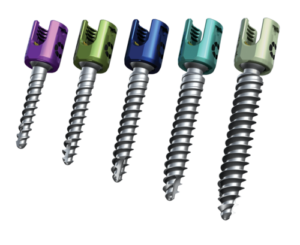
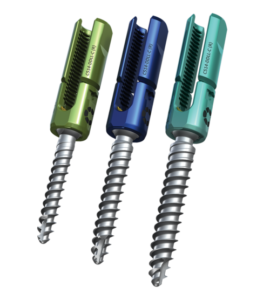
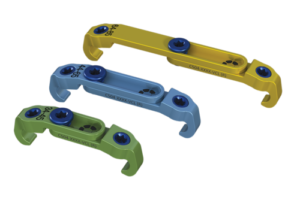
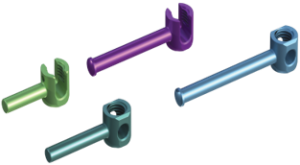
Device Definition Posterior lumbar fixation or fusion system, such as pedicle screws, rods, connectors, cross-links, and associated instruments Complete device description, intended use, anatomical indication, implant configuration, size range, materials, and compatible components Controlled product specifications, engineering drawings, catalog references, and device master records Essential Required before technical comparison
ASTM F1717 Testing ASTM F1717, Standard Test Methods for Spinal Implant Constructs in a Vertebrectomy Model Test plan identifying the worst-case construct, loading configuration, specimen setup, test method, and rationale for the selected implant assembly Complete laboratory report with test setup photographs, construct configuration, load data, failure mode, and traceable specimen identification Essential Pass/fail must be reviewed with the test method and device configuration
Mechanical Performance Static and, when applicable, fatigue characterization of the complete construct Evidence covering axial compression, bending, torsion, fatigue behavior, subsidence-related considerations, and connector or interface performance where relevant Validated test reports, calibrated equipment records, raw data, acceptance criteria, and documented deviations Essential Accept only if the tested configuration represents the proposed product
Materials and Surface Finish Material identity and applicable implant-material specifications Material grade, chemical composition, heat-treatment condition, surface treatment, coating information, and component-to-component material compatibility Material certificates, supplier traceability, chemical analysis, dimensional inspection, and surface-finish records Essential Material and process traceability required for each production lot
ISO 10993 Biological Evaluation ISO 10993 series, selected according to the device contact type, duration, materials, manufacturing processes, and patient exposure Biological evaluation plan addressing patient-contacting materials, residues, sterilization effects, and any existing toxicological information Biological evaluation report, test reports where needed, chemical characterization, toxicological assessment, and justification for omitted tests Essential Testing must be risk-based; a generic certificate alone is insufficient
Chemical Characterization Characterization of potentially extractable or leachable substances from the finished device Extraction conditions, sample selection, analytical methods, detected substances, reporting limits, and toxicological evaluation Laboratory report using validated analytical methods and traceable finished-device samples Conditional Often needed when material, coating, adhesive, residue, or processing risk is not fully understood
Sterilization and Packaging Validated sterilization process or validated cleaning and packaging process for the supplied product state Sterilization method, sterility assurance approach, packaging configuration, shelf-life claim, shipping simulation, and product-release controls Validation summaries, packaging integrity data, accelerated or real-time aging data, and sterilization-cycle records Essential Requirements depend on whether the device is supplied sterile or non-sterile
FDA 510(k) Strategy 510(k) pathway may be applicable when the device is substantially equivalent to a legally marketed predicate device Proposed device classification, intended use, technological characteristics, predicate rationale, and identification of differences requiring testing 510(k) submission or clearance documentation, decision summary where available, labeling, and comparison table Essential 510(k) clearance is not the same as FDA approval
Predicate and Indications Review Substantial-equivalence comparison based on intended use, indications, technological characteristics, and safety or performance data Clear mapping between the proposed device and the predicate, including differences in materials, geometry, fixation method, instrumentation, and use environment Regulatory comparison matrix, labeling comparison, risk analysis, and supporting bench or clinical evidence when applicable Essential Unresolved indication or technology differences may increase regulatory risk
Quality Management System Applicable medical-device quality-system requirements for design, purchasing, production, inspection, nonconformance, and corrective action Quality manual or equivalent overview, design-control process, supplier controls, complaint handling, change control, and traceability procedures Current quality-system certification or audit evidence, internal procedures, inspection records, and corrective-action history Essential Audit scope must cover the proposed product and manufacturing site
Design Verification and Validation Verification that design outputs meet requirements and validation that the device is suitable for its intended use Risk-based verification plan covering dimensions, fit, function, mechanical strength, instruments, packaging, sterilization, and usability where relevant Approved protocols and reports, requirements traceability matrix, failure investigations, and design-review records Essential Evidence should cover the final design, not only an early prototype
Risk Management Risk assessment for surgical, mechanical, biological, manufacturing, and use-related hazards Hazard analysis addressing loosening, breakage, migration, corrosion, tissue reaction, incorrect assembly, instrument misuse, and labeling risks Risk-management file, failure-mode analysis, risk-control verification, residual-risk evaluation, and benefit-risk rationale Essential Risk controls must be linked to verification evidence and instructions for use
Manufacturing Capability Repeatable production of critical dimensions, threads, interfaces, surface conditions, and cleanliness levels Process flow, equipment list, in-process controls, critical-to-quality characteristics, capacity, lead time, and subcontractor management Process-validation records, capability studies, inspection plans, lot-release criteria, and production samples Essential Sample quality should be confirmed through an independent first-article review
Documentation and Change Control Controlled technical documentation and notification of changes that may affect safety, performance, or regulatory status Document-control process, revision history, engineering-change procedure, notification timeline, and regulatory-impact assessment process Sample change-control records, revision-controlled drawings, approved specifications, and change-notification procedure Essential Uncontrolled design or material changes are a major supplier risk
Commercial and Supply Review Supply continuity for implants, instruments, packaging, replacement parts, and technical support Minimum order quantity, tooling ownership, production lead time, forecast flexibility, warranty terms, complaint response time, and business-continuity plan Signed quality agreement, supply agreement, service-level commitments, and documented escalation contacts Conditional Commercial suitability should be evaluated only after technical and regulatory screening
Important: ASTM F1717 provides a standardized mechanical test method; it does not by itself establish universal acceptance limits. ISO 10993 testing should be selected through a documented biological-evaluation process. A 510(k) clearance indicates substantial equivalence to a legally marketed predicate device and does not constitute FDA approval.

Shortlist ISO 13485:2016-Certified Posterior Lumbar Fusion Manufacturers

2026 How to Find Posterior Lumbar Fusion Manufacturers?

Shortlist ISO 13485:2016-Certified Posterior Lumbar Fusion Manufacturers

Finding a posterior lumbar fusion manufacturer requires more than comparing product catalogs. Start by checking its current ISO 13485:2016 certificate. Confirm the certificate scope, manufacturing site, expiration date, and certification body. The scope should cover relevant spinal implants, instruments, or both. A logo alone proves little.

Ask for controlled evidence. Review design controls, risk management records, supplier qualification, and change-control procedures. Manufacturing details also matter. Examine material certificates, machining controls, cleaning validation, packaging validation, and batch traceability. For implantable devices, request information about titanium or PEEK specifications, surface treatment, dimensional inspection, and sterilization responsibilities.

Look closely.

A capable manufacturer should explain how it manages nonconformities and corrective actions. It should provide documented inspection methods, calibrated equipment records, and release criteria. Technical files, biocompatibility data, and mechanical test reports should match the exact device configuration. Do not accept unrelated test results.

An ISO 13485 certificate supports confidence, but it does not guarantee clinical performance or delivery reliability. Interview quality and engineering teams directly. Ask how they handle design changes, complaints, urgent investigations, and supplier interruptions. Factory visits can reveal practical weaknesses, such as unclear material flow or poorly controlled storage.

The review may feel incomplete.

That is normal. Manufacturing capability, regulatory readiness, and communication quality rarely appear in one document. Keep written comparison records, verify references carefully, and reassess certificates before placing an order.

Verify Materials: ASTM F136 Titanium and ASTM F2026 PEEK Compliance

2026 How to Find Posterior Lumbar Fusion Manufacturers?

When searching for posterior lumbar fusion manufacturers in 2026, material verification should guide every supplier conversation. Ask whether titanium components meet ASTM F136 requirements for wrought titanium alloy. Review mill certificates, chemical composition, mechanical results, and heat-treatment records. Each document should match the component’s lot number. ASTM F2026 compliance matters for PEEK implants and related structural parts. Request resin certificates, processing history, and finished-product traceability. A certificate alone is not enough.

Experienced quality teams also inspect how materials are handled after delivery. Confirm storage controls, machining procedures, cleaning methods, and contamination prevention. Ask for validation records and nonconformance reports. These documents reveal how the manufacturer responds when results fall outside specifications. Do not accept vague phrases such as “medical-grade material.” Require objective evidence from qualified testing laboratories. Independent audits can strengthen confidence, although they cannot replace technical review.

Tips: Compare certificates with purchase orders and drawings. Check lot numbers carefully. Request representative samples when possible. Ask who approved each release record. One weakness remains common: suppliers may present polished documents without explaining their limitations. Treat unanswered questions as review findings, not minor paperwork issues. A reliable manufacturer should welcome careful questions and provide consistent, traceable answers.

Audit Quality Systems Using UDI, CAPA, Recall, and Inspection Records

2026 How to Find Posterior Lumbar Fusion Manufacturers?

Audit Quality Systems Using UDI, CAPA, Recall, and Inspection Records

In 2026, finding a reliable posterior lumbar fusion manufacturer requires more than comparing catalogs and quoted prices. During a quality audit, request UDI records for representative implants, instruments, and packaging. Confirm that each identifier matches the device label, technical file, production lot, and distribution history. Trace one sample backward from a shipping carton to raw-material approval and final release. Then trace it forward to every affected customer. This exercise often reveals gaps hidden by polished presentations. A clean website proves little. Ask who reviews UDI changes, how errors are corrected, and how quickly records can be retrieved.

Review the CAPA system with evidence, not promises. Select a closed case involving dimensional variation, sterile packaging, or labeling. Check the investigation, root-cause logic, corrective action, effectiveness review, and approval dates. A CAPA closed only because training was repeated deserves careful questioning. Examine recall procedures and run a tabletop traceability exercise. The manufacturer should identify affected lots, quarantine decisions, notifications, and documented reconciliation.

Inspection records add another layer of confidence. Read recent internal audits, process checks, equipment calibration results, and inspection responses. Look for repeated findings, overdue actions, or unexplained edits. I would also compare inspection observations with complaint trends and nonconforming-product reports. Small inconsistencies matter. They may indicate weak data control, or simply a rushed record. Either way, ask for clarification. Reliable manufacturers accept scrutiny and show dated, controlled evidence.

Compare MOQ, Lead Times, Clinical Evidence, Pricing, and Supply Capacity

2026 How to Find Posterior Lumbar Fusion Manufacturers?

When evaluating posterior lumbar fusion manufacturers, compare MOQ with actual surgical demand. A low MOQ can reduce inventory pressure, but it may increase unit pricing. Request quotations for implants, instruments, packaging, sterilization, and shipping separately. Lead times should cover design confirmation, samples, quality release, and production. Ask for a written schedule. Vague promises create expensive surprises.

Clinical evidence deserves closer inspection. Review peer-reviewed studies, follow-up periods, fusion rates, revision rates, and reported complications. Check whether the evidence matches the proposed material, geometry, and surgical technique. A polished brochure is not clinical proof. Request material certificates, inspection records, traceability procedures, and relevant quality-system documentation. These details reveal professional maturity.

Pricing should be judged through total landed cost, not the factory quote alone. Include tooling, validation samples, freight, customs, training, and replacement instruments. Supply capacity also needs practical testing. Ask about monthly output, critical raw-material sources, backup production lines, and batch-release controls. A factory may claim strong capacity while lacking resilience during demand spikes. Conduct a remote or on-site audit when possible. Use sample orders to examine dimensional consistency, packaging protection, and response speed. Small gaps matter. My own evaluation preference is simple: compare documented performance against promises, then record every unresolved weakness. That record may feel inconvenient, but it improves purchasing decisions.