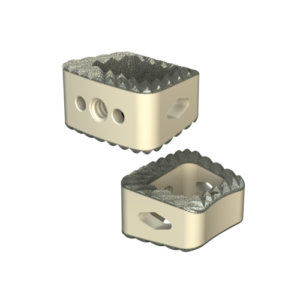
Top 5 Tips for Choosing the Right Bone Implant?

Choosing the right bone implant is crucial for successful surgery and recovery. Bone implants play a significant role in restoring function and mobility. They can be a solution for fractures, joint issues, and more.

Understanding different types of bone implants is essential. Each implant has unique characteristics. Some may not fit your specific needs. Relying on the right expert is vital. Not every doctor has the same experience with these implants.

Ask questions about their experience. Researching the materials used is also important. Some materials may cause reactions in certain patients. Finding the balance between quality and cost can be tricky. A lower price may lead to lesser quality. Therefore, thorough research is key to making the right choice.

Top 5 Tips for Choosing the Right Bone Implant?

Understanding the Different Types of Bone Implants Available

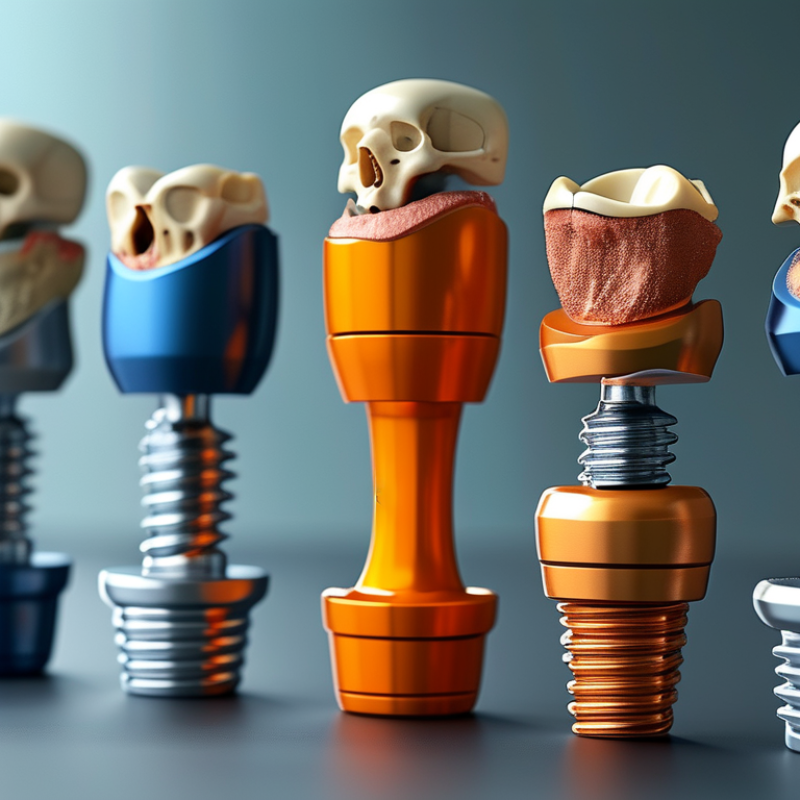
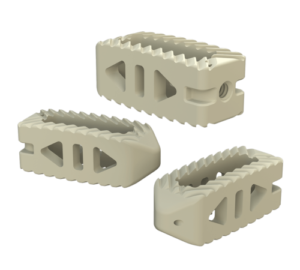
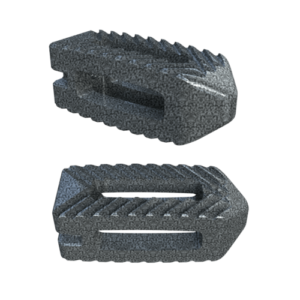
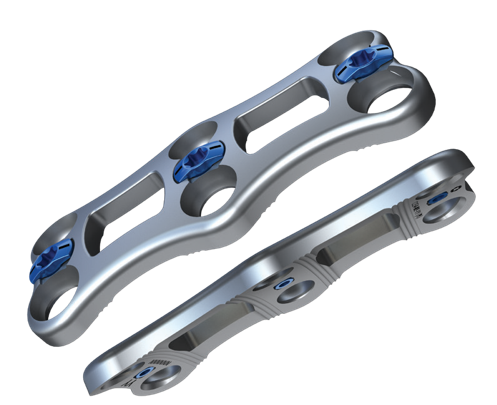
When it comes to bone implants, understanding the available options is crucial. There are several types of bone implants, each designed for specific needs. Common types include titanium implants, ceramic implants, and biodegradable implants. Titanium is popular due to its strength and biocompatibility, while ceramic implants are favored for their aesthetic appearance. Biodegradable options are emerging but may still require more research.

Choosing the right type often depends on various factors. Consider the location of the implant and your bone quality. Additionally, the purpose of the implant influences the choice. For instance, implants meant for load-bearing might need more durable materials. It’s also essential to consult with a healthcare professional. Their expertise provides vital insights into what suits your situation best.

Selecting a bone implant isn't always straightforward. There might be imperfections in each option, like potential rejection or complications. It's thus important to weigh the risks and benefits carefully. Understanding the nuances of each type can help in making a more informed choice. Taking the time to reflect on these points can lead to better outcomes.

Top 5 Tips for Choosing the Right Bone Implant

Tip Description Types of Implants Considerations
1. Understand Your Needs Assess the reason for the implant to determine the appropriate type. Cortical, Cancellous Bone density, location of the defect
2. Consult with a Specialist Seek advice from an orthopedic surgeon or specialist. Allografts, Autografts Experience of the doctor, implant material
3. Research Different Materials Explore various implant materials and their benefits. Titanium, Bioceramics Allergies, compatibility
4. Evaluate the Healing Process Understand the expected recovery time and rehabilitation involved. Orthopedic implants, Dental implants Age, overall health
5. Financial Considerations Consider the cost of the implant and any associated procedures. Synthetic, Natural Insurance coverage, long-term costs

Evaluating the Material Composition of Bone Implants

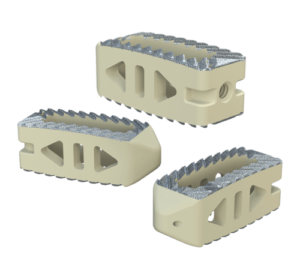
When considering a bone implant, evaluating the material composition is crucial. Different materials can impact the healing process and long-term outcomes. Common materials include titanium, PEEK, and bioresorbable polymers. Each has unique properties that affect their strength, biocompatibility, and integration with bone. Understanding these differences helps in making an informed choice.

Choosing a biocompatible material is vital. Titanium is often preferred due to its strength and resistance to corrosion. It is widely recognized for its ability to bond well with bone. However, some patients may experience sensitivity to metals. In such cases, PEEK might be a better option, offering flexibility and low friction.

Consulting with an experienced healthcare professional is key. They can provide insights based on your specific condition. Their expertise may highlight potential complications. Ask questions about the implant's material, long-term durability, and integration. Always consider the implications of your choice. Reflect on how different materials may affect your recovery journey. Making a well-informed decision can lead to better outcomes and peace of mind.

Assessing the Experience and Credentials of the Surgeon

When considering a bone implant, the experience and credentials of the surgeon are critical. A study by the American Academy of Orthopaedic Surgeons emphasizes that patients should seek board-certified surgeons who have specialized training in bone reconstruction. Board certification not only indicates a surgeon's competence but also their dedication to ongoing education.

The number of procedures a surgeon has performed can significantly impact outcomes. Research suggests that experienced surgeons typically achieve better results. According to a 2020 journal article, patients who underwent surgery with experienced surgeons had a 30% lower complication rate. It’s essential to inquire about the number of similar procedures your surgeon has completed. Ask for their success rates and any follow-up data to understand long-term outcomes.

Additionally, the surgical facility's accreditation is vital. An accredited facility adheres to strict safety and quality standards. This is particularly important for bone implants, which often require complex, precise techniques. Patients should feel empowered to ask prospective surgeons about their training and facility credentials. Remember, your health is paramount, and selecting a qualified surgeon can make all the difference.

Considering the Implant’s Compatibility with Your Body

When choosing a bone implant, compatibility with your body is crucial. Over 40% of patients experience complications due to poor integration of implants. Therefore, understanding material compatibility is key. Titanium, for instance, has a proven track record in osseointegration, boasting a success rate of around 95%. However, for individuals with allergies to metals, alternatives such as ceramics might be more suitable.

Personalized decision-making plays a vital role in the implant selection process. Body chemistry varies from person to person. Factors such as age, health conditions, and lifestyle can influence healing. Reports indicate that up to 30% of patients may require revision surgeries due to implant failure caused by incompatibility. This highlights the need for thorough pre-surgical assessments.

Modern imaging techniques can help assess bone quality and assess potential implant sites better. These advancements have shown that bespoke implants can potentially improve compatibility, reducing the risk of complications. Engaging with an orthopedic specialist enhances the overall understanding of your unique needs. This is not just about choosing an implant; it’s about ensuring it works harmoniously with your body.

Reviewing Post-Operative Care and Recovery Expectations

Post-operative care is crucial for speeding up recovery after a bone implant procedure. Patients should follow their surgeon's instructions closely. This includes taking prescribed medications on time. Pain management is a key part of the process. Understanding how to handle discomfort can prevent larger issues later. Some patients may find it hard to stay ahead of their pain. It’s important to communicate openly with healthcare providers about any struggles.

Recovering from bone implant surgery can vary from person to person. Generally, expect some swelling and bruising. Ice packs can help manage these symptoms. Walking, even in small amounts, is encouraged to promote circulation. However, overexertion can hinder recovery. It’s common to feel frustrated when progress seems slow. Acknowledging these feelings is part of the journey. Regular follow-ups with your healthcare provider can help set realistic expectations and address any concerns during recovery.