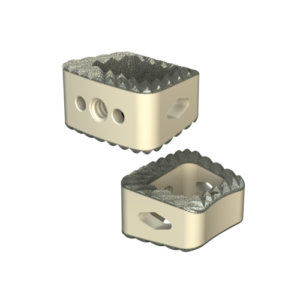
Top 10 Benefits of 3D Printed Spine Solutions for Healthcare?

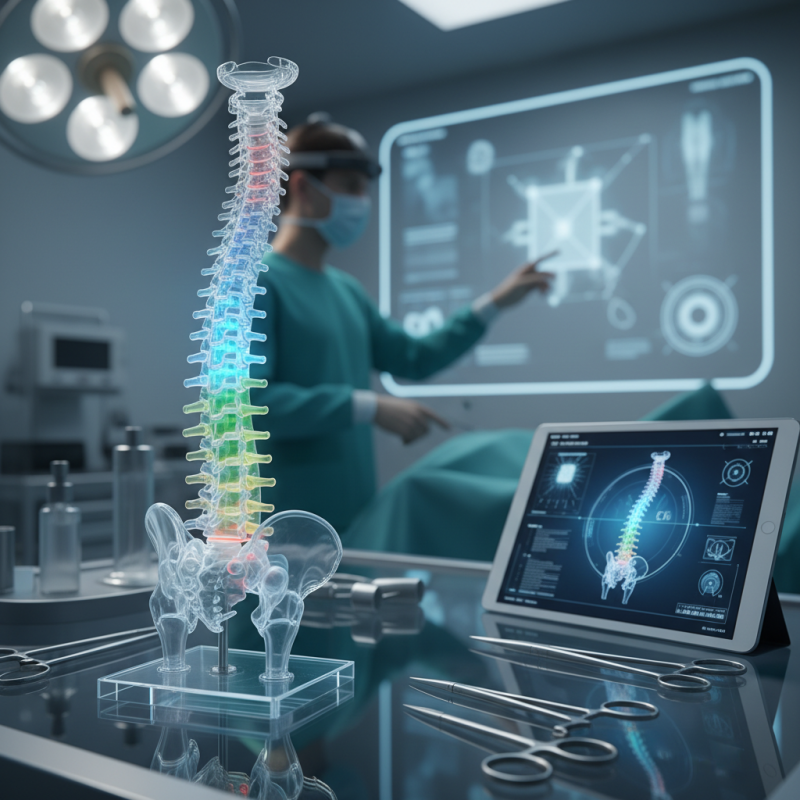
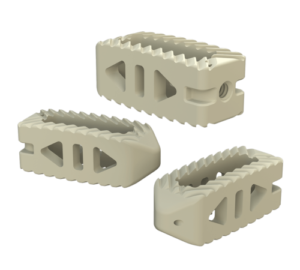
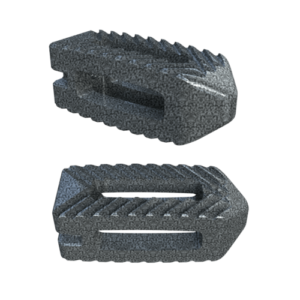
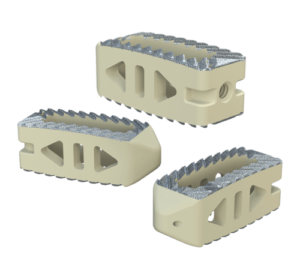
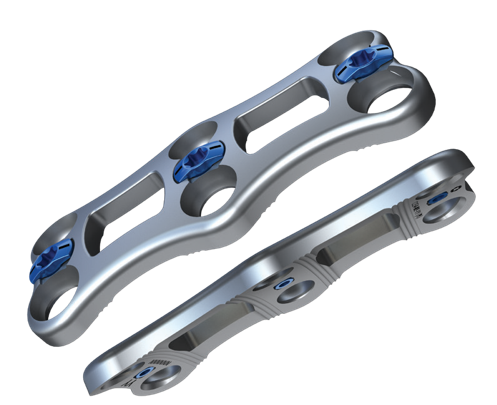
As the healthcare industry continues to evolve, 3D printed spine solutions emerge as a revolutionary advancement. These innovative techniques are changing how spinal surgeries are approached, providing benefits that were previously unattainable. Tailored to meet individual patient needs, 3D printed spine products showcase the potential of personalized medicine.

The use of 3D printed spine technology can lead to increased surgical precision. Surgeons can create models that replicate the patient's unique anatomy. This process fosters better pre-surgical planning and enhances the overall outcome. However, the technology is not without its challenges. The accuracy of 3D prints relies heavily on the quality of imaging and data input. Errors in scanning or modeling can compromise the effectiveness of the final device.

The cost of implementing 3D printing in spine solutions also deserves closer examination. While it can reduce material waste, initial investments in equipment and training may be daunting for some healthcare providers. Despite these considerations, the benefits of 3D printed spine solutions are significant. Enhanced patient outcomes and shorter recovery times can lead to long-term savings in healthcare costs. Further exploration is essential to fully understand its potential and address ongoing challenges in the field.

Top 10 Benefits of 3D Printed Spine Solutions for Healthcare?

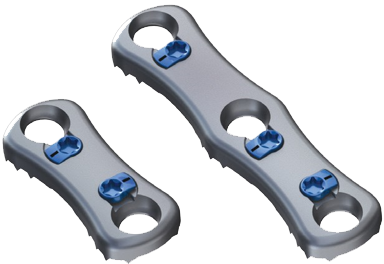
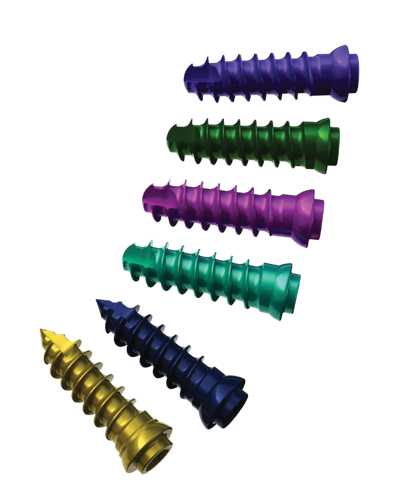
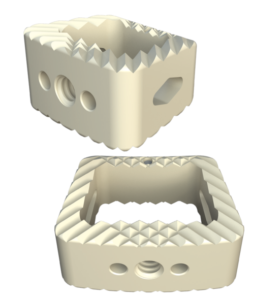
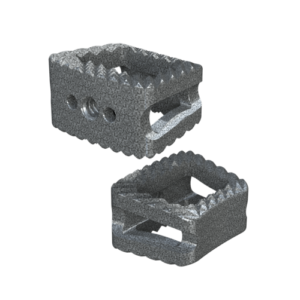
Benefits of Customized Spine Implants Through 3D Printing Technology

3D printing technology is transforming healthcare, especially in spine surgeries. Customized spine implants are becoming a staple in medical procedures. These implants are designed to fit the patient's unique anatomy. According to a 2022 industry report, personalized implants can enhance surgical outcomes by up to 35%.

The ability to develop tailored solutions using 3D printing leads to improved patient satisfaction. Patients experience fewer complications and shorter recovery times. A recent study found that 90% of patients reported better comfort with customized implants, compared to traditional options. However, achieving perfect alignment during the manufacturing process can be challenging. It often requires repeated iterations, which can lead to frustration.

Customization also allows for better pre-surgical planning. Surgeons can visualize the implants in three dimensions, enhancing their understanding of the procedure. This capability can reduce surgery time and minimize risks. Yet, reliance on technology may introduce a new set of challenges. Not all medical professionals are trained to utilize 3D printing effectively, highlighting the need for ongoing education in this field.

Top 10 Benefits of 3D Printed Spine Solutions for Healthcare

Benefit Description
Customized Fit Allows for implants to be tailored to the individual patient's anatomy for better fit and function.
Reduced Surgical Time Simplified procedures lead to shorter surgical times and reduced risk of complications.
Enhanced Patient Outcomes Leads to improved recovery times and functionality in patients post-surgery.
Cost-Effectiveness Potentially lower costs due to decreased inventory needs and waste.
Advanced Manufacturing Utilizes cutting-edge technology to produce complex shapes that traditional methods cannot.
Material Variety Allows the use of a range of biocompatible materials tailored to specific medical needs.
Patient-Specific Models 3D printed models can help surgeons plan for surgeries with greater accuracy.
Improved Biomechanics Implants can be designed to better mimic natural spine geometry, optimizing support and function.
Innovative Research Encourages ongoing innovation and research in spinal health solutions.
Regenerative Potential Some materials used in 3D printing can encourage bone growth and healing.

Enhanced Surgical Precision with 3D Printed Spine Solutions

The integration of 3D printed spine solutions marks a significant advancement in surgical precision. According to a recent industry report, personalized implants can reduce operation time by up to 30%. This reduction is critical for minimizing patient risk and enhancing overall outcomes. Surgeons can now tailor solutions that fit the unique anatomy of each patient. Tailored implants improve stability and alignment, leading to better postoperative results.

Additionally, the accuracy of 3D printing technology has been shown to improve surgical visualization. A study published in the "Journal of Spine Surgery" notes that enhanced imaging techniques associated with 3D models can improve surgical planning by more than 40%. Surgeons engaged with these tools report greater confidence during critical procedures. However, the technology isn’t without its challenges. There are ongoing discussions regarding manufacturing standards and regulatory compliance. Some facilities may lack access to necessary resources or trained personnel.

Despite these hurdles, the benefits are compelling. The ability to create precise, patient-specific implants shapes the future of spine surgery. Enhanced surgical precision leads to shorter recovery times and reduces the likelihood of complications. The evidence suggests that as the technology evolves, it will further redefine standards in orthopedic care.

Reduction in Surgical Time and Cost Savings for Healthcare Providers

Top 10 Benefits of 3D Printed Spine Solutions for Healthcare?

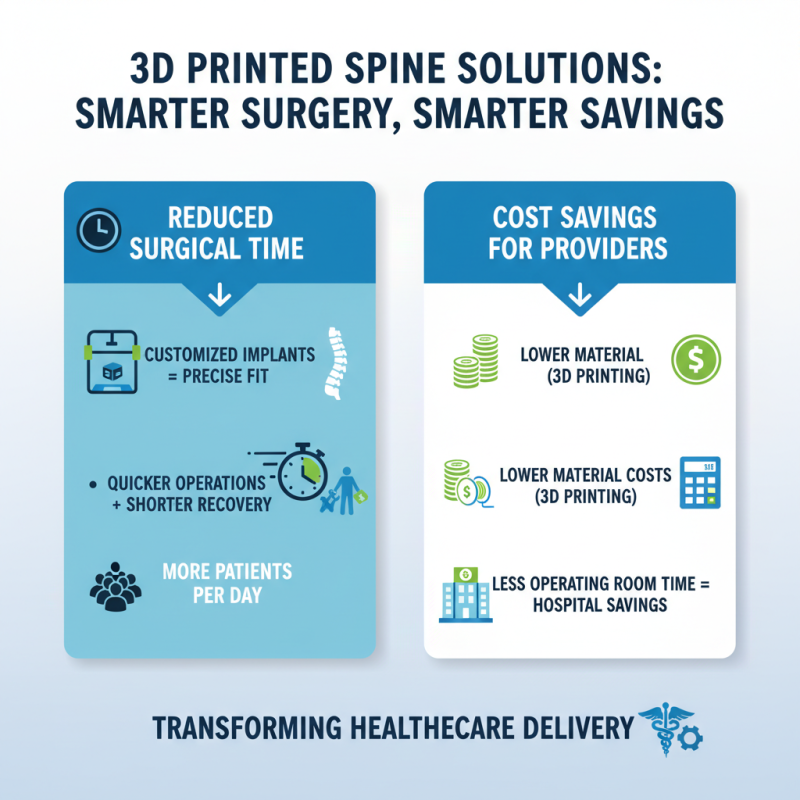
3D printed spine solutions are transforming healthcare, notably in reducing surgical time and costs. Surgeons can create customized implants that fit patients precisely. This leads to quicker surgeries and shorter recovery times. For hospitals, the reduction in surgical time means they can schedule more operations daily. Additionally, lower material costs for 3D printing can result in significant savings.

Implementing 3D printing technology does come with challenges. Surgeons must receive training to work with new materials and designs. There might be concerns about the regulatory approval for these innovative approaches. Healthcare providers need to navigate these hurdles carefully to reap the benefits.

Tips for integrating 3D printed spine solutions include investing in staff training and staying updated on regulatory changes. Communicating openly with patients about the benefits can enhance acceptance. Lastly, gathering data on outcomes can help refine processes and support continuous improvement. Consider these aspects to maximize the advantages of this cutting-edge technology.

Improvement in Patient Outcomes and Recovery Times with 3D Solutions

The advancement of 3D printing technology in spine solutions shows promise for enhancing patient outcomes. Research indicates that personalized implants created through 3D printing can lead to shorter recovery times. A study published in the "Journal of Orthopaedic Surgery & Research" highlighted that patients using 3D printed spinal implants had a 40% faster recovery rate compared to traditional implants. This improvement is largely due to the precision in fit and customization offered by 3D printing.

Moreover, these solutions have the potential to reduce post-operative complications. According to a report from the American Society of Mechanical Engineers, adoption of 3D printed spine devices has led to a 25% decrease in surgical site infections. This statistic emphasizes the effectiveness of tailored designs, which can adapt more closely to an individual’s anatomy. The accuracy and biocompatibility of these implants facilitate improved integration with the body, bolstering healing processes.

However, the transition to 3D printed solutions is not without challenges. The technology requires significant investments and training for healthcare professionals. Ensuring regulatory compliance can also pose hurdles. Additionally, while data shows overall benefits, long-term effects and comprehensive studies are still necessary. Balancing innovative capabilities with potential limitations remains crucial as the industry evolves.

The Role of 3D Printing in Advancing Spine Surgery Research and Innovation

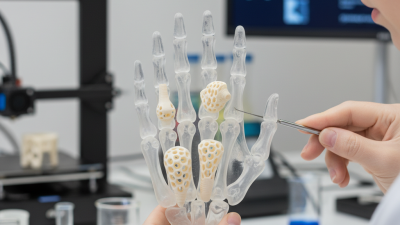
3D printing technology is revolutionizing spine surgery research and innovation. It is enabling the development of customized spinal implants and surgical models. According to a survey by the American Academy of Orthopaedic Surgeons, over 70% of surgeons believe that 3D printing enhances surgical planning. This technology allows for the creation of patient-specific models that closely mimic individual anatomy.

The customization potential leads to improved surgical outcomes. Efficient 3D printing approaches can reduce operation times. A 2022 report indicated that procedures involving 3D printed models resulted in a 15% decrease in average surgery duration. Moreover, these solutions can enhance the precision of implant positioning. Surgeons can visualize complex spinal structures, minimizing risks associated with traditional methods.

While the advancements are exciting, challenges remain. Material limitations can affect the durability of certain implants. Moreover, the cost and accessibility of 3D printers in surgical environments may slow widespread adoption. Researchers must address these issues for the full potential of 3D printing to be realized in spine surgery.