| Purpose | Why a bone biopsy is performed | A bone biopsy removes a small sample of bone or bone marrow so it can be examined under a microscope. It may help identify the cause of unexplained bone pain, a suspicious imaging finding, infection, or an abnormal growth. | Recommended when imaging tests and laboratory tests do not provide enough information. |
| Conditions Evaluated | Possible diagnoses | The procedure may help evaluate primary bone tumors, cancer that has spread to bone, bone infection, abnormal bone remodeling, and certain marrow-related disorders. | Diagnosis depends on the biopsy result, imaging, medical history, and other laboratory findings. |
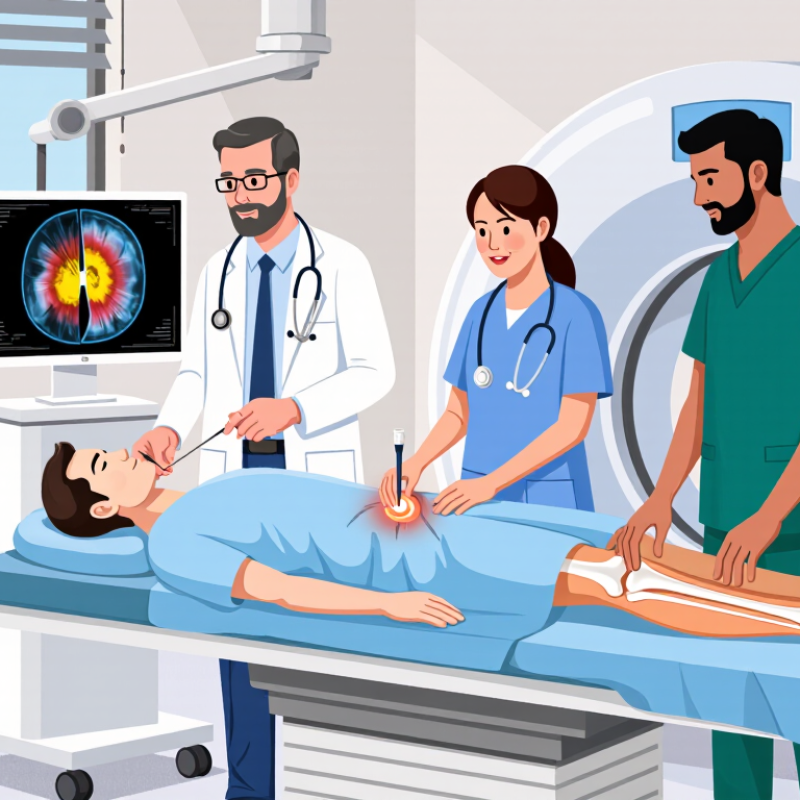
| Biopsy Type | Needle biopsy | A hollow needle is guided through the skin into the affected area to collect one or more tissue samples. Imaging guidance is often used to improve accuracy. | Usually performed as an outpatient procedure when clinically appropriate. |
| Biopsy Type | Open biopsy | A surgeon makes a small incision to expose the bone and remove a tissue sample. This approach may be selected when a larger sample is needed or a needle biopsy is not suitable. | May require regional or general anesthesia and can involve a longer recovery than a needle biopsy. |
| Before the Procedure | Medication and health review | The care team reviews allergies, medical conditions, bleeding risk, and current medicines. Blood-thinning medicines may require specific instructions from the treating clinician. | Follow the individualized instructions provided before the appointment; do not stop prescribed medicine without medical advice. |
| During the Procedure | Anesthesia and monitoring | Local anesthetic is commonly used for needle biopsy. Sedation or general anesthesia may be used in selected cases. Vital signs are monitored during the procedure. | Procedure length varies according to the biopsy site, technique, and number of samples required. |
| Immediately After | Observation and discharge | After the biopsy, the puncture or incision site is covered with a dressing. The patient is monitored until the effects of sedation or anesthesia have sufficiently worn off. | Many patients go home the same day, although an overnight stay may be needed in some circumstances. |
| Expected Symptoms | Pain, bruising, or tenderness | Mild pain, tenderness, swelling, or bruising around the biopsy site can occur. These symptoms commonly improve gradually during the first few days. | Use only the pain-relief medicines recommended by the care team and keep the site clean and protected. |
| Activity | Returning to normal movement | Activity restrictions depend on the biopsy location and technique. Strenuous exercise, heavy lifting, or putting weight on the affected limb may be limited temporarily. | Resume normal activity gradually and follow the specific instructions provided at discharge. |
| Wound Care | Protecting the biopsy site | The dressing should be cared for according to the instructions provided. Keeping the area clean and dry can help reduce the risk of infection. | Contact the care team if the dressing becomes soaked, the wound opens, or drainage continues. |
| Laboratory Analysis | What happens to the sample | A pathologist examines the tissue. Special stains, cultures, molecular tests, or other laboratory studies may be required depending on the suspected condition. | Results are not always available immediately because additional testing may be necessary. |
| Results | How findings are explained | The clinician reviews the pathology report together with imaging studies, symptoms, and laboratory results. A biopsy can confirm a diagnosis, identify infection, or show that the sample is insufficient for a definitive conclusion. | Follow-up timing varies according to the type of testing and the urgency of the clinical situation. |
| Possible Complications | Risks to monitor | Potential complications include bleeding, infection, persistent pain, nerve or blood-vessel injury, delayed wound healing, and, rarely, weakening or fracture of the affected bone. | Risk depends on the biopsy site, technique, underlying condition, and overall health. |
| Warning Signs | When to seek medical advice | Urgent medical advice may be needed for heavy bleeding, increasing redness or warmth, pus-like drainage, fever, worsening pain, numbness, weakness, or difficulty moving the affected area. | Seek emergency care for severe bleeding, breathing difficulty, fainting, or other rapidly worsening symptoms. |
| Follow-Up Care | Next steps after results | Further treatment may include antibiotics for infection, specialist consultation, surgery, cancer treatment, additional imaging, or observation, depending on the diagnosis. | Attend the scheduled follow-up appointment even if the biopsy site feels normal. |






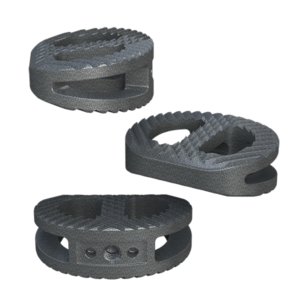 System Features
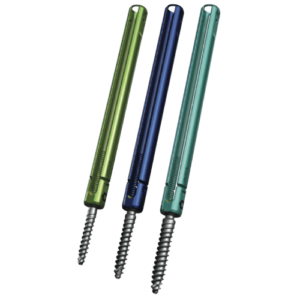 Key Features
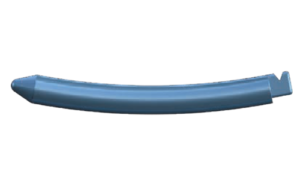 Key Features
 Key Features
 Key Features
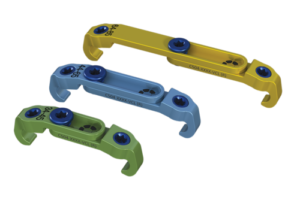 Key Features
 Key Features
 Key Features
 Key Features
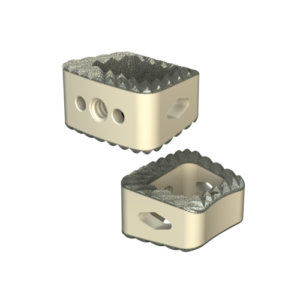 Key Features