| Muscular Strength | Systematic reviews and controlled trials involving adults performing Pilates-based exercise. | Pilates can improve muscular strength and muscular endurance, particularly in the trunk, hip, and lower-limb muscles. Results are generally more consistent for muscular endurance than for maximal strength. | Adjustable spring resistance and controlled pushing or pulling movements allow progressive loading while maintaining a stable movement pattern. | Useful for general strength development, but conventional resistance training may be more appropriate when the main goal is maximal strength or muscle size. |
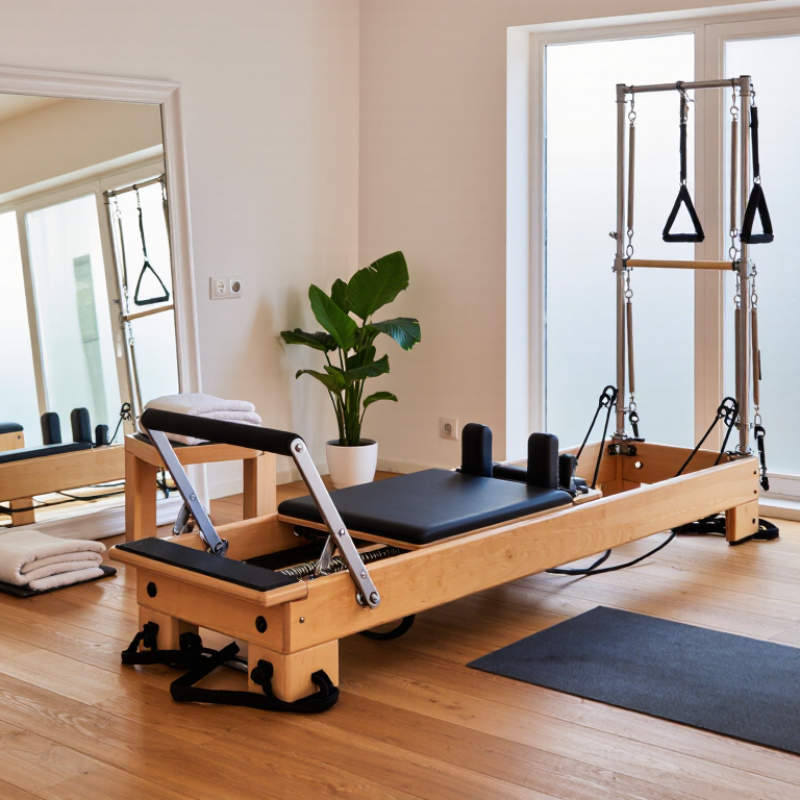
| Core Endurance | Studies assessing abdominal and trunk-muscle performance after repeated Pilates sessions. | Regular Pilates practice is associated with improvements in trunk endurance and control, although study quality and exercise protocols vary. | The moving carriage and spring resistance require controlled trunk stabilization during exercises such as leg presses, bridges, and kneeling work. | Benefits are most likely when exercises are performed consistently with appropriate technique and progression. |
| Balance | Randomized trials and reviews involving balance tests in healthy adults and older adults. | Pilates may improve static and dynamic balance, with particularly relevant findings in older adults and people with reduced balance capacity. | Slow, precise movements challenge body awareness, postural control, coordination, and the ability to stabilize against changing resistance. | Balance improvements are promising, but Pilates should complement—not replace—fall-prevention and functional balance training when clinically indicated. |
| Flexibility and Range of Motion | Clinical trials and systematic reviews measuring joint range of motion and flexibility. | Pilates commonly produces small-to-moderate improvements in flexibility and range of motion, especially when sessions are repeated over several weeks. | The reformer supports lengthened positions, controlled mobility, and assisted movement through a comfortable range. | Improved flexibility depends on training frequency, baseline mobility, exercise selection, and individual response. |
| Postural Control | Studies examining posture, alignment, movement quality, and trunk control. | Pilates-based programs may improve postural awareness and movement control, although objective posture measurements are less consistent than self-reported benefits. | Visual feedback, spring resistance, and a stable platform can help users practice alignment and controlled transitions. | Better posture is not guaranteed and should not be presented as a treatment for every spinal or musculoskeletal condition. |
| Low-Impact Exercise | Research on Pilates participation, joint loading, and exercise tolerance. | Pilates is generally considered a low-impact form of exercise, with less repetitive impact than running or jumping-based activities. | The carriage and springs can provide support and resistance without requiring repeated impact with the floor. | Low impact does not mean risk-free; users should modify exercises for pain, injury, pregnancy, or medical limitations. |
| Consistency and Accessibility | Exercise-adherence research and studies of home-based physical activity. | Convenience and reduced travel time can support exercise adherence, but long-term results still depend primarily on regular participation. | A home setup may make short, frequent sessions easier to schedule and repeat. | The equipment itself does not guarantee adherence; instruction, motivation, space, cost, and safe setup also matter. |




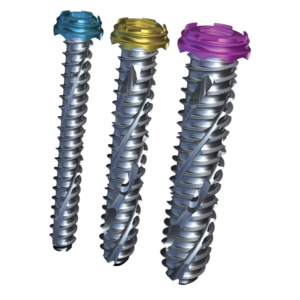

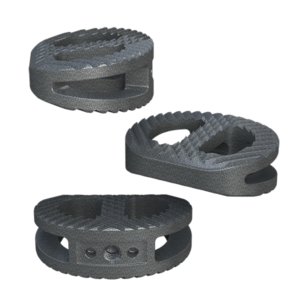 System Features
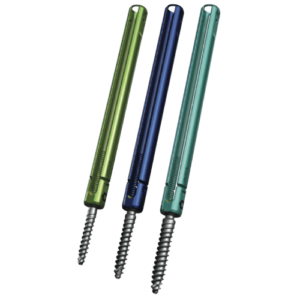 Key Features
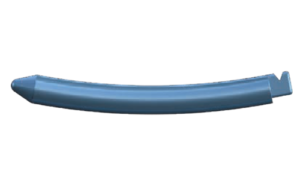 Key Features
 Key Features
 Key Features
 Key Features
 Key Features
 Key Features
 Key Features
 Key Features