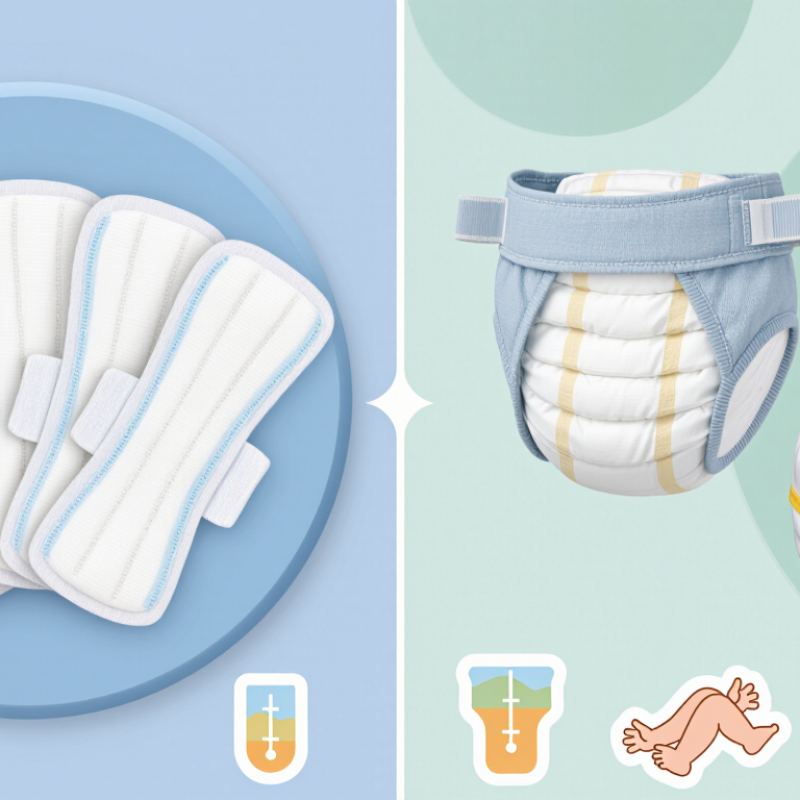
| Primary purpose | Designed mainly to absorb menstrual blood and light vaginal discharge. | Designed to absorb urine and feces, depending on the type and intended user. |
| Common users | People who menstruate, including teenagers and adults. | Babies, young children, some adults with urinary or bowel incontinence, and people needing temporary post-procedure protection. |
| Body area covered | Fits inside underwear and primarily covers the area where menstrual flow exits. | Wraps around the waist and legs to cover a larger area and help contain liquid and solid waste. |
| Typical absorbent design | Usually includes an absorbent core, a fluid-permeable top layer, and a moisture-resistant backing. | Usually includes an absorbent core, a liquid-permeable inner layer, leak guards, and a moisture-resistant outer layer. |
| Fastening method | Often attaches to underwear with an adhesive strip and may include side wings for additional security. | May use adhesive tabs, hook-and-loop fasteners, or a pull-on design with an elastic waistband. |
| Handling solid waste | Not designed to contain feces and may leak or become unsanitary if used for bowel movements. | Some types are designed with additional coverage and barriers to help contain bowel movements. |
| Best-suited fluid | Best suited to menstrual flow, which may vary in thickness and contain tissue. | Best suited to urine; specialized versions may also be designed for heavier or mixed incontinence. |
| Fit and mobility | Generally low-profile and designed to move with underwear during everyday activities. | Provides broader coverage and may be bulkier, especially when designed for overnight use or higher absorbency. |
| Common menstrual uses | Used during light, moderate, or heavy menstrual flow, depending on the product's absorbency and shape. Panty liners are commonly used for very light flow or discharge. | Usually not the first choice for menstruation because the larger shape and features are intended for urine or fecal containment. |
| Common incontinence uses | May provide limited protection for very light urine leakage, but regular menstrual pads are not designed to manage larger amounts of urine. | Used for urine leakage, overnight protection, bowel incontinence, or full-time care, depending on the design and absorbency. |
| When to change | Change regularly and whenever it feels wet, full, uncomfortable, or begins to leak. Change frequency depends on flow and product absorbency. | Change when wet or soiled, after a bowel movement, or according to an individualized care routine to help protect skin and reduce odor. |
| Skin considerations | Prolonged contact with moisture, friction, or fragranced materials may cause irritation for some users. | Frequent changes, gentle cleansing, and keeping the skin dry can help reduce irritation and moisture-related skin problems. |
| Disposal | Wrap used pads in tissue or their original wrapper and place them in a waste bin; do not flush them. | Roll or fold used diapers, secure them when possible, and place them in an appropriate waste bin; do not flush them. |
| Key selection factors | Consider flow level, length, absorbency, wing design, comfort, activity level, and skin sensitivity. | Consider waist and leg fit, absorbency, leakage protection, mobility, user needs, skin condition, and ease of changing. |




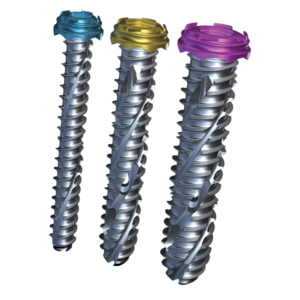

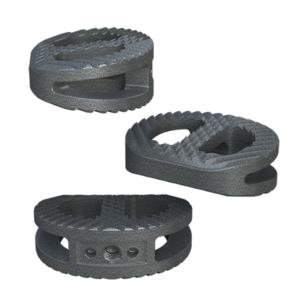 System Features
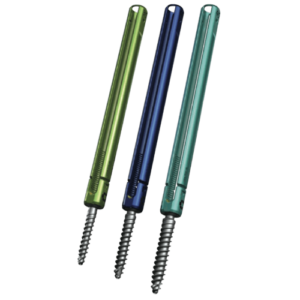 Key Features
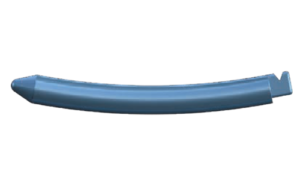 Key Features
 Key Features
 Key Features
 Key Features
 Key Features
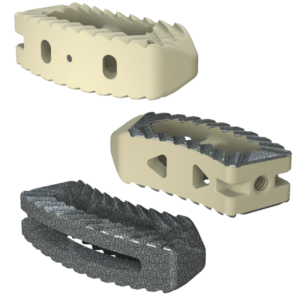
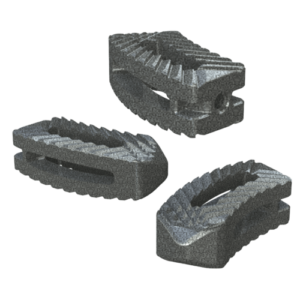
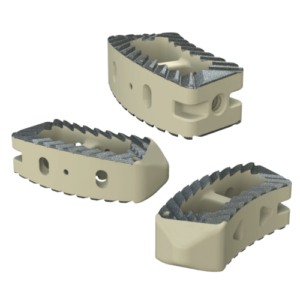
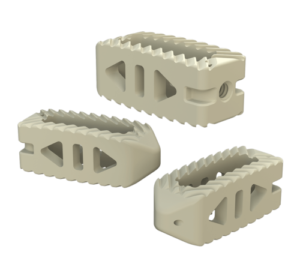
 Key Features
 Key Features
 Key Features