| Therapy purpose | Sacral neuromodulation delivers electrical stimulation to sacral nerves to help manage selected bladder or bowel conditions. | Indications and approved use depend on the specific device and the applicable regional authorization. | Design inputs and clinical evidence are evaluated against the device’s intended use and applicable regulatory requirements. |
| Implantable pulse generator | A small implanted electronic unit produces controlled stimulation pulses and connects to an implanted lead. | Design considerations include pulse control, power source, enclosure integrity, and compatibility with the lead system. | Electronic performance, electrical safety, enclosure integrity, and system compatibility are assessed during development and production. |
| Lead and electrodes | An insulated lead carries stimulation from the generator to electrodes positioned near a sacral nerve. | Lead flexibility, insulation, electrode performance, and resistance to movement-related stress are important design factors. | Insulation, electrical continuity, connection strength, and mechanical performance are checked using defined test procedures. |
| Target location and placement | Implantation commonly targets the S3 sacral nerve; other placement decisions depend on clinical assessment and the specific system. | Lead position is selected by a qualified clinician. Placement methods and system features vary by device. | Clinical placement and stimulation response are assessed during the procedure according to the device instructions and clinical practice. |
| Power options | Implantable systems may use a non-rechargeable battery or, in some designs, a rechargeable power source. | Battery choice affects charging or replacement considerations, implant design, and patient-management instructions. | Power delivery and operating behavior are tested against the design specifications; expected service life is device-specific. |
| Programming and control | External programming equipment allows authorized clinicians to adjust stimulation settings; some systems also provide patient controls within prescribed limits. | Available settings and control functions differ across systems and must follow the device’s labeling and clinical instructions. | Communication, programming functions, and safeguards are verified as part of system-level testing. |
| Materials and packaging | Implant materials and packaging are selected for their intended contact with the body and for protection during storage and transport. | Biocompatibility, material compatibility, and package performance are evaluated for the specific device and use conditions. | Testing and documentation address relevant biocompatibility and packaging requirements under applicable standards and regulations. |
| Assembly and production controls | Manufacturing generally involves controlled assembly of electronic components, the enclosure, connectors, and lead-system parts. | Process controls help maintain consistent assembly and traceability; exact production methods are manufacturer-specific. | Documented inspections, process monitoring, and finished-device acceptance tests are used within a quality management system. |
| Sterilization and release | Devices supplied sterile are processed using a validated sterilization method suitable for their materials and design. | The method and packaging configuration are specific to the product and must maintain device performance and package integrity. | Sterilization validation, package checks, records review, and required release testing support product release. |
| Manufacturer comparison | Meaningful comparisons can consider authorized indications, system configuration, programming features, power options, clinical evidence, and service support. | Features and regulatory status vary by product and market; a general ranking cannot be established from design characteristics alone. | Verify current product labeling and regulatory information for the relevant country before making a clinical or procurement decision. |




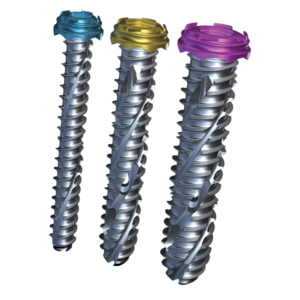

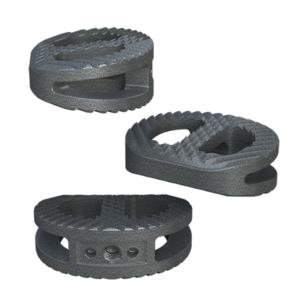 System Features
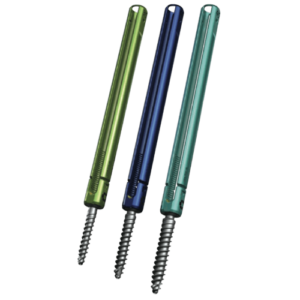 Key Features
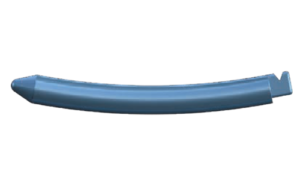 Key Features
 Key Features
 Key Features
 Key Features
 Key Features
 Key Features
 Key Features
 Key Features