| 1 | Regulatory Compliance | Ability to manufacture and document products for each intended sales market. | Current licenses, market-specific labeling knowledge, safety assessment process, and documented corrective-action procedures. | 15% | Critical |
| 2 | GMP and Quality Systems | Consistency of production, hygiene controls, batch release, and deviation management. | Evidence of cosmetic GMP implementation, documented SOPs, internal audits, batch records, and traceable quality checks. ISO 22716 is a useful reference for cosmetic GMP practices. | 15% | Critical |
| 3 | Formulation Capability | Ability to create or adapt products such as body wash, lotion, scrub, deodorant, bath products, and hand care. | Formulation portfolio, development workflow, stability-testing plan, compatibility testing, and clear ownership of the formula and specifications. | 12% | High |
| 4 | Ingredient Traceability | Visibility into ingredient origin, supplier approval, lot tracking, and material changes. | INCI ingredient lists, certificates of analysis, allergen information, lot numbers, supplier qualification records, and change-notification procedures. | 8% | High |
| 5 | Safety and Performance Testing | Whether finished products are tested for safety, stability, microbiological quality, and packaging compatibility. | Product specifications, stability data, preservative or challenge-test results where applicable, microbiological reports, and finished-product release criteria. | 12% | Critical |
| 6 | Minimum Order Quantity | Whether the minimum order fits the brand’s launch budget, forecast, storage capacity, and sales velocity. | Written MOQ by product, formula, fragrance, color, packaging component, and production run; confirm whether pilot quantities are available. | 8% | High |
| 7 | Sampling and Development Process | Speed and structure of sample revisions before commercial production. | Defined sample stages, revision limits, sample charges, approval documents, and written sign-off requirements before scale-up. | 7% | Important |
| 8 | Production Lead Time | Reliability of the schedule from purchase-order approval to finished-goods release. | Separate timelines for formulation, packaging procurement, manufacturing, testing, and final inspection; ask how delays are communicated. | 7% | Important |
| 9 | Packaging and Artwork Support | Compatibility of packaging with the formula and accuracy of artwork, labeling, and filling specifications. | Packaging catalog, component specifications, compatibility testing, decoration options, artwork proofing, and packaging defect controls. | 6% | Important |
| 10 | Cost Transparency | Total landed cost, including formulation, testing, packaging, tooling, freight, and potential surcharge items. | Itemized quotation, payment terms, price-validity period, tooling ownership, taxes, shipping assumptions, and conditions for price changes. | 6% | High |
| 11 | Scalability and Capacity | Whether the supplier can support growth without compromising quality or delivery performance. | Production equipment, shift capacity, filling capabilities, capacity-reservation policy, backup plans, and historical on-time delivery data. | 5% | Important |
| 12 | Sustainability and Ethical Sourcing | Credibility of environmental, social, and sourcing claims attached to the product. | Specific material certifications, recycled-content documentation, responsible-sourcing policies, waste controls, and evidence supporting marketing claims. | 4% | Important |
| 13 | Communication and After-Sales Support | Responsiveness, accountability, and support during production, complaints, recalls, or formula changes. | Named account contact, response-time expectations, escalation process, complaint-handling records, recall procedure, and written change-control policy. | 5% | Important |







 System Features
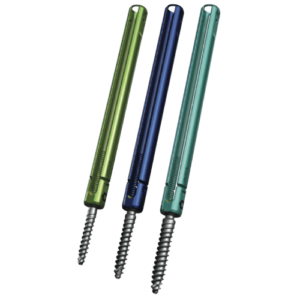 Key Features
 Key Features
 Key Features
 Key Features
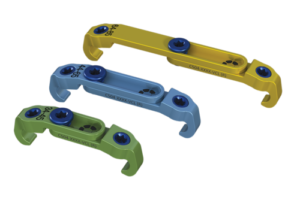 Key Features
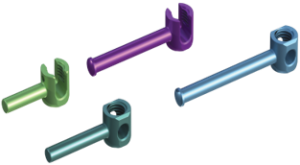 Key Features
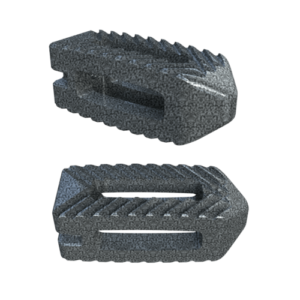
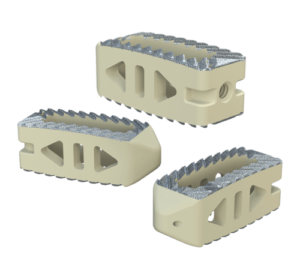

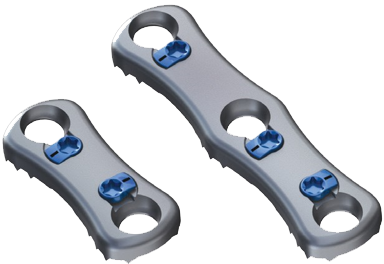

 Key Features
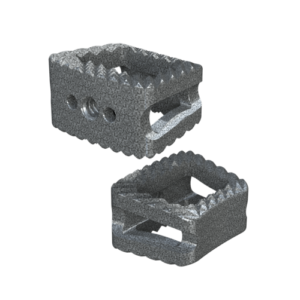 Key Features
 Key Features