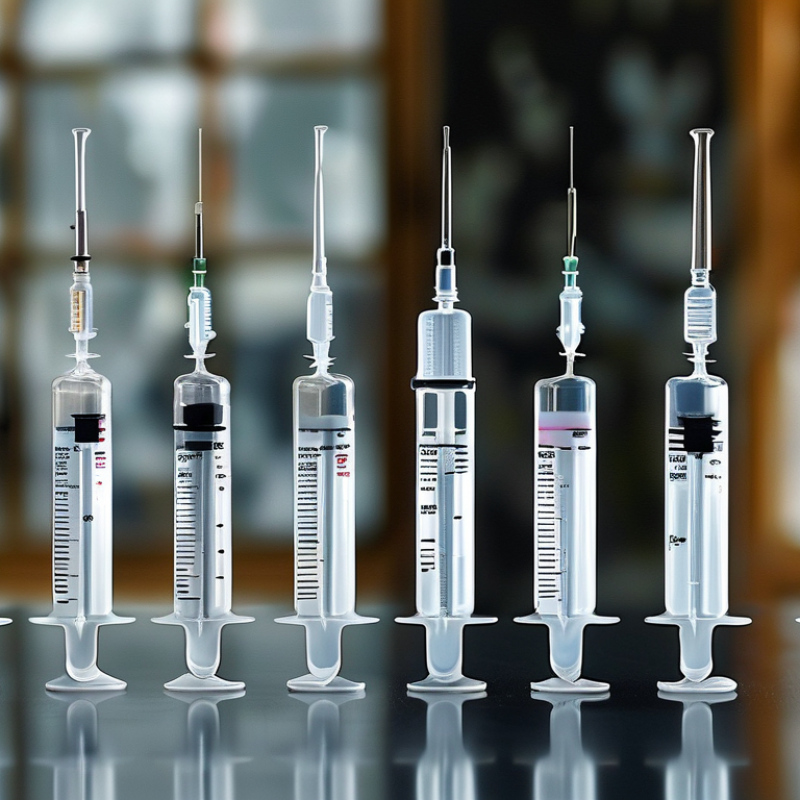
| Product identity | Syringe type, nominal capacity, graduations, needle configuration, sterile or non-sterile status, single-use designation, and intended livestock application. | ISO 7886-1 for manually operated single-use syringes; applicable national veterinary-device requirements. | Controlled product specification, technical drawing, labeling artwork, and product photographs that match the shipped configuration. | High |
| Manufacturing-site qualification | Legal manufacturing entity, production address, quality-system scope, cleanroom or controlled-area controls, and traceability of critical components. | ISO 13485:2016 quality-management-system requirements for medical devices. | Current certificate issued by an accredited certification body, certificate scope, site address, and recent surveillance or recertification status. | High |
| Veterinary registration | Whether the product is regulated as a veterinary medical device, animal-health product, or general medical device in the destination market. | Destination-country rules; examples include China NMPA requirements, EU Regulation (EU) 2017/745 where applicable, and U.S. FDA device requirements where applicable. | Valid registration, listing, notification, or exemption record from the competent authority, together with matching model and manufacturer information. | High |
| Batch traceability | Unique lot number, production date, raw-material records, equipment identification, operator or shift records, packaging lot, and release status. | ISO 13485 documentation and traceability controls; applicable destination-market requirements. | Batch manufacturing record, device history record, certificate of analysis or conformity, and documented lot-release approval. | High |
| Dimensional inspection | Barrel capacity, graduation accuracy, plunger fit, nozzle dimensions, needle attachment, and component tolerances. | ISO 7886-1 and the approved product specification or technical drawing. | Signed inspection report with sampling plan, calibrated instruments, measured results, specification limits, and nonconformance disposition. | High |
| Leakage and pressure testing | Leakage through the syringe assembly, plunger seal integrity, nozzle connection, and resistance to the specified test pressure. | ISO 7886-1, using the applicable test method and product-specific acceptance criteria. | Batch test report identifying test pressure, dwell time, sample quantity, equipment calibration, results, and pass/fail decision. | High |
| Functional performance | Plunger movement, break-loose force, sustained force, smoothness, dose delivery, and absence of component separation during use. | ISO 7886-1 and the approved performance specification. | Validated test method, raw measurement data, defined acceptance limits, calibrated force-measuring equipment, and signed quality approval. | High |
| Visual and particulate inspection | Cracks, burrs, flash, deformation, discoloration, foreign matter, damaged graduations, and packaging defects. | ISO 7886-1, approved visual-inspection procedure, and clean manufacturing controls. | Inspection checklist, defect classification, sample size, representative photographs where appropriate, and corrective-action records for failures. | High |
| Sterility validation | Sterilization method, validated process parameters, sterilization load configuration, routine monitoring, and sterile-barrier integrity. | ISO 11135 for ethylene oxide sterilization; ISO 11137 for radiation sterilization; ISO 11607 for sterile-barrier packaging, as applicable. | Sterilization validation summary, routine batch records, biological or dosimetric monitoring records, and packaging validation documents. | High |
| Bioburden and sterility testing | Pre-sterilization microbial load and post-sterilization sterility results, where required by the validated process and applicable market rules. | ISO 11737-1 for bioburden determination and ISO 11737-2 for sterility tests used in sterilization validation or routine control. | Laboratory report showing method, sample identification, test date, laboratory qualification, results, and link to the production lot. | High |
| Endotoxin and biological safety | Endotoxin risk, material biocompatibility, extractables or leachables risk, and contact duration with animal tissue or medication. | ISO 10993 series for biological evaluation; USP <85> or equivalent endotoxin method where applicable. | Risk-based biological-evaluation report, material declarations, endotoxin test report when required, and documented acceptance criteria. | High |
| Materials and chemical compliance | Polymer and elastomer grades, needle material, adhesives, colorants, lubricants, latex status, and restricted-substance controls. | Applicable chemical, material-safety, and destination-market requirements; ISO 10993 where biological contact applies. | Supplier declarations, material certificates, safety data sheets where applicable, restricted-substance statement, and change-control records. | Medium |
| Packaging and shelf life | Individual packaging, shipping carton protection, seal integrity, storage conditions, expiry dating, and transport simulation. | ISO 11607 for terminally sterilized medical-device packaging; ASTM D4169 or equivalent distribution-testing method where applicable. | Packaging validation, seal-strength or integrity results, accelerated or real-time aging rationale, transport-test report, and labeled storage conditions. | High |
| Labeling and instructions | Sterility status, single-use warning, lot number, expiry date, capacity, needle details, storage conditions, manufacturer information, and instructions for use. | ISO 15223-1 symbols and destination-market labeling requirements, where applicable. | Approved artwork, multilingual instructions, label-control record, translation review, and packaging-to-document consistency check. | High |
| Risk management | Risks from leakage, incorrect dose delivery, needle detachment, breakage, contamination, sharps injury, and foreseeable misuse. | ISO 14971 risk-management principles for medical devices. | Risk-management plan, hazard analysis, verification links, residual-risk evaluation, complaint trends, and post-market monitoring procedure. | High |
| Export and customs documentation | Correct product description, harmonized tariff classification, country of origin, shipment quantity, sterile status, and consignee details. | Destination-country customs rules and the applicable Harmonized System classification confirmed by the importer or customs broker. | Commercial invoice, packing list, certificate of origin where required, transport documents, export declaration, and customs classification confirmation. | Medium |
| Complaint and recall controls | Complaint intake, investigation timelines, corrective and preventive action, field safety action, recall communication, and lot-level retrieval. | ISO 13485 corrective-action requirements and applicable vigilance or recall regulations. | Documented complaint procedure, anonymized trend data, CAPA examples, mock-recall evidence, and response-time commitments. | Medium |




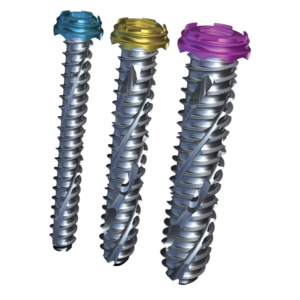

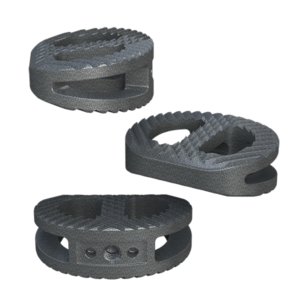 System Features
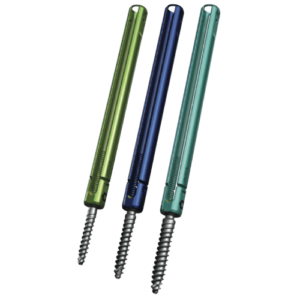 Key Features
 Key Features
 Key Features
 Key Features
 Key Features
 Key Features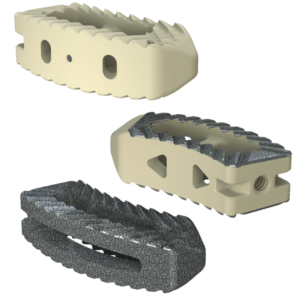
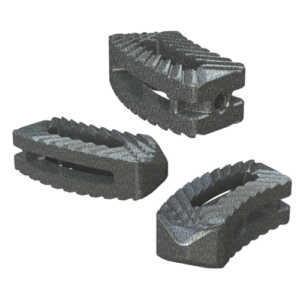
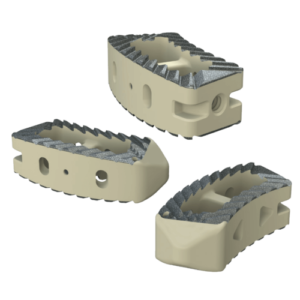
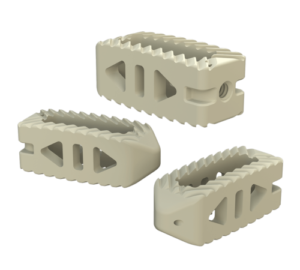
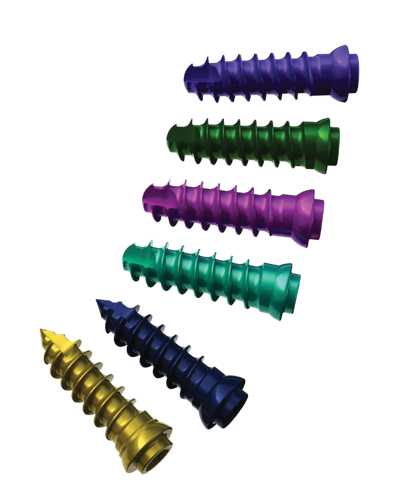
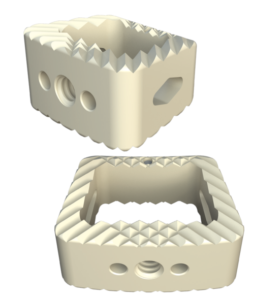 Key Features
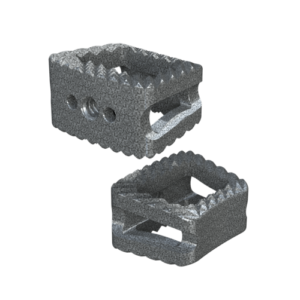 Key Features
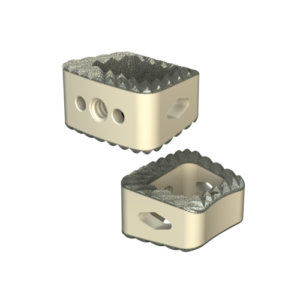 Key Features