| Raw Material Traceability | Origin of bovine hides, bones, or other permitted tissues; slaughterhouse and batch traceability; animal-health controls. | Every finished-product lot can be traced back to documented raw-material batches and approved processing sites. | Traceability procedure, supplier approval records, veterinary or origin documents, and a completed mock recall record. | 15% |
| Food-Safety Management | Implementation of HACCP or an equivalent preventive food-safety system, sanitation controls, pest control, and environmental monitoring. | Documented hazard analysis, critical-control procedures, corrective actions, and routine internal verification. | Current certification where applicable, HACCP plan, sanitation records, audit reports, and corrective-action logs. | 15% |
| Quality-System Control | Batch release, deviation management, change control, document control, calibration, and complaint handling. | A controlled quality system with retained records and defined responsibilities for every production and testing stage. | Quality manual, organization chart, standard operating procedures, audit history, and sample batch records. | 10% |
| Product Identity and Purity | Protein or collagen content, moisture, ash, pH, hydroxyproline, molecular-weight distribution, and solubility. | A clearly defined specification is supplied, and at least three recent lots meet the same agreed limits. | Specification sheet, certificate of analysis, validated test methods, and independent laboratory confirmation. | 15% |
| Molecular-Weight Profile | Average molecular weight and distribution, rather than only a broad marketing description such as “low molecular weight.” | The supplier provides a test method, defined target range, and lot-to-lot results suitable for the intended application. | Gel-permeation or equivalent analytical report, method details, chromatograms where available, and retention samples. | 10% |
| Microbiological Safety | Total aerobic count, yeast and mold, specified pathogens, and any customer- or market-specific microbiological requirements. | Results comply with the destination market and product category requirements for every released lot. | Recent microbiology reports, laboratory accreditation details, sampling plan, and pathogen-control procedures. | 10% |
| Contaminant and Adulteration Control | Heavy metals, residual solvents where relevant, prohibited substances, allergens, melamine, and undeclared non-bovine proteins. | Testing is risk-based and aligned with the import country’s legal limits and the buyer’s finished-product requirements. | Recent third-party reports, risk assessment, supplier declarations, and authenticity or species-identification testing. | 10% |
| Regulatory and Export Readiness | Ability to provide documents required for the destination country, including labels, certificates, declarations, and customs information. | The supplier identifies the product category correctly and supports the buyer’s import, labeling, and registration review. | Product dossier, regulatory declarations, certificate of origin, health or sanitary documents where required, and export records. | 8% |
| Production Capacity and Lead Time | Available production lines, annual capacity, minimum order quantity, standard lead time, and contingency planning. | Capacity claims are supported by production records, and delivery performance is measured against agreed purchase-order dates. | Capacity statement, production schedule, historical on-time-delivery data, and business-continuity plan. | 4% |
| Packaging and Storage | Packaging material suitability, moisture protection, lot coding, shelf-life validation, transport conditions, and warehouse controls. | Packaging preserves powder quality through the stated shelf life under documented storage conditions. | Packaging specification, stability or shelf-life data, warehouse records, product photographs, and shipping instructions. | 3% |
| Commercial and Technical Service | Sample policy, technical response time, customization capability, complaint resolution, and communication quality. | Technical answers are consistent, documented, and delivered within the agreed service timeframe. | Sample evaluation record, service-level agreement, complaint procedure, and references that can be independently verified. | 0%–5% |






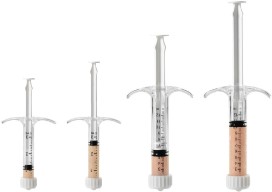
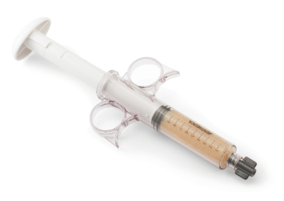


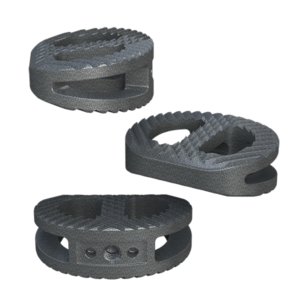 System Features
 Key Features
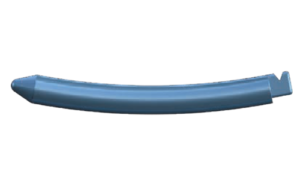 Key Features
 Key Features
 Key Features
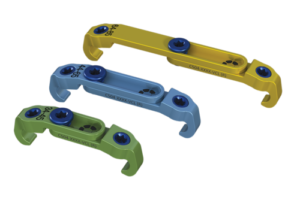 Key Features
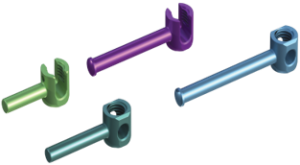 Key Features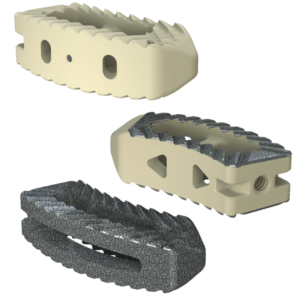
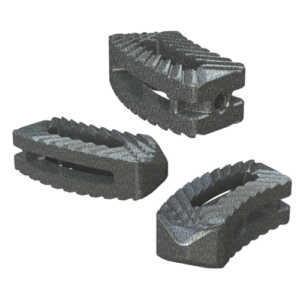
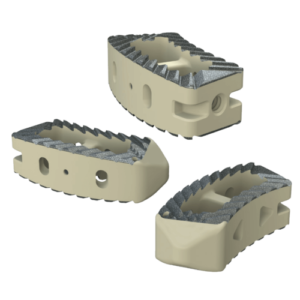
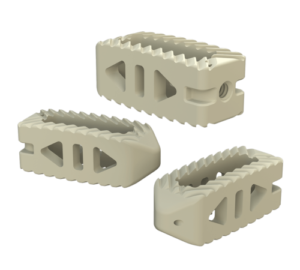
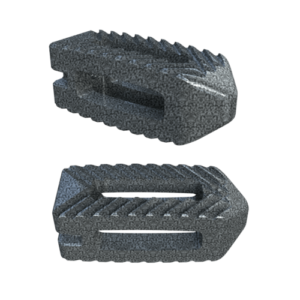
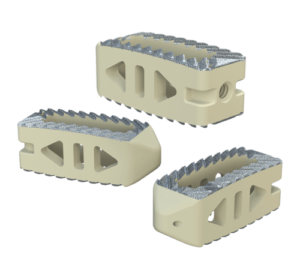

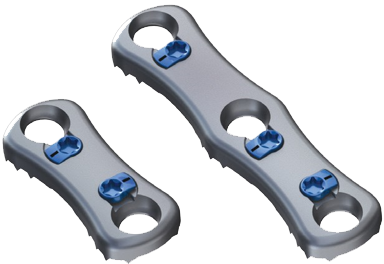

 Key Features
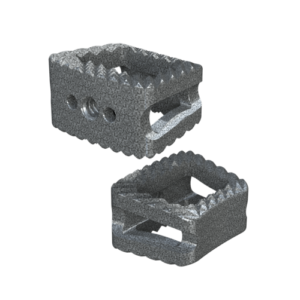 Key Features
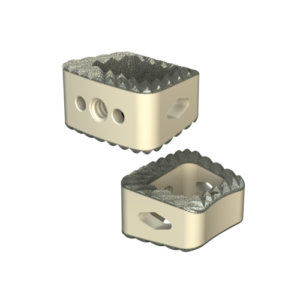 Key Features