| Sensing Method | Confirm whether the monitor derives beat-to-beat intervals from electrocardiography (ECG), photoplethysmography (PPG), or both. ECG measures cardiac electrical activity; PPG detects pulse-related changes in blood volume. | Product specification, sensor description, intended-use statement, and explanation of how beat intervals are detected. Ask whether motion or poor skin contact can affect readings. | Score: ___ | Score: ___ | Score: ___ |
| HRV Metrics | Check which outputs are provided, such as RMSSD, SDNN, or frequency-domain measures. Confirm the calculation window, units, artifact handling, and whether results are calculated on-device or in an app. | Technical documentation defining each metric and calculation method. Request sample reports and confirmation that the same calculation settings are used across device, app, and export. | Score: ___ | Score: ___ | Score: ___ |
| Measurement Protocol | Compare the supported measurement conditions, session duration, posture guidance, signal-quality checks, and instructions for repeated measurements. HRV results can vary with measurement conditions and time of day. | User instructions, test protocol, raw or sample session data, and details of how the product identifies invalid or low-quality recordings. | Score: ___ | Score: ___ | Score: ___ |
| Performance Validation | Assess the supplier’s evidence for beat detection and HRV calculations in the intended population and use conditions. Do not assume that a stated accuracy figure applies to every user or activity. | Validation protocol and results, reference method used, sample characteristics, exclusions, and performance results under relevant conditions. For PPG products, request results addressing motion and signal-quality limitations. | Score: ___ | Score: ___ | Score: ___ |
| Regulatory Status and Claims | Match the product’s intended use and claims to the destination market. A wellness product and a medical device may have different regulatory obligations; requirements depend on jurisdiction and intended use. | Device classification rationale, applicable market authorizations or registrations, labeling, and substantiation for health-related claims. Verify documents with the issuing authority where applicable. | Score: ___ | Score: ___ | Score: ___ |
| Quality Management | Check the manufacturer’s quality-management system and whether the certificate scope covers the relevant site and product activities. ISO 13485 is a medical-device quality-management-system standard. | Current certificate, issuing body, scope, covered manufacturing site, and audit or corrective-action process. Verify certificate validity independently. | Score: ___ | Score: ___ | Score: ___ |
| Risk, Safety, and Software | For applicable medical electrical equipment, assess electrical safety and electromagnetic compatibility. For products with software, review software lifecycle and risk-management processes. Applicability depends on the product and intended use. | Relevant test reports or declarations, risk-management documentation, and software lifecycle evidence. Standards that may be relevant include IEC 60601-1, IEC 60601-1-2, ISO 14971, and IEC 62304; confirm applicability for the device and target market. | Score: ___ | Score: ___ | Score: ___ |
| Data, App, and Integration | Compare supported exports, interfaces, language options, data ownership terms, privacy controls, access permissions, and app or firmware update processes. | Interface documentation, data-flow description, export examples, privacy policy, cybersecurity documentation, and written confirmation of integration responsibilities and ongoing support. | Score: ___ | Score: ___ | Score: ___ |
| Manufacturing and Traceability | Distinguish the legal manufacturer from a trading company or contract manufacturer. Check production control, component traceability, incoming inspection, final testing, and change notification. | Factory and legal-entity details, process flow, inspection records, sample batch records, traceability method, and written change-control procedure. Arrange an audit when the purchase risk justifies it. | Score: ___ | Score: ___ | Score: ___ |
| Customization and Supply Terms | Compare available sensor or enclosure options, app localization, packaging, minimum order quantity, lead time, sample policy, warranty, spare parts, and after-sales response arrangements. | Written quotation, product configuration, sample evaluation plan, confirmed production and delivery schedule, warranty terms, and named responsibilities for technical support and defects. | Score: ___ | Score: ___ | Score: ___ |




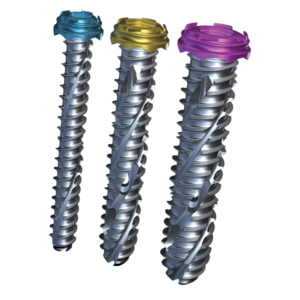

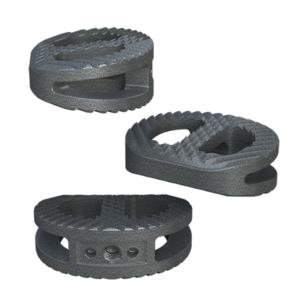 System Features
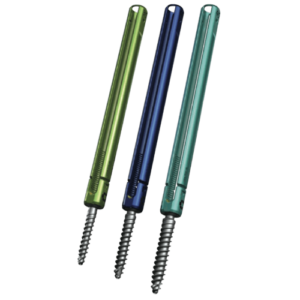 Key Features
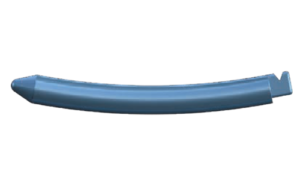 Key Features
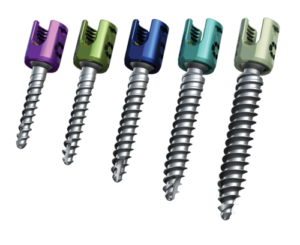 Key Features
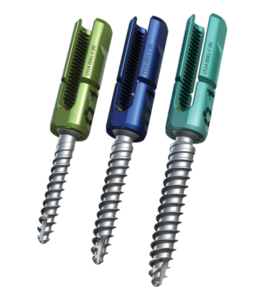 Key Features
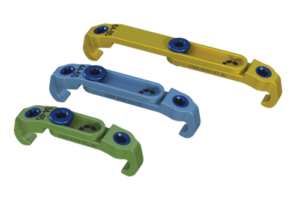 Key Features
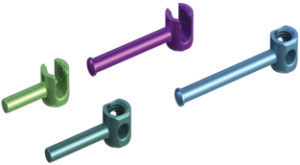 Key Features
 Key Features
 Key Features
 Key Features