| Short-term indwelling urinary catheter use in hospitals | Closed urinary drainage system and bedside drainage bag | Needle-free sampling port, anti-reflux valve, secure drainage tubing, graduated chamber, bottom outlet, and sterile packaging | Select the smallest suitable catheter size, compatible connectors, adequate bag capacity, and a design that keeps the drainage system closed | Continuous urine drainage while reducing unnecessary disconnections and contamination opportunities | Use aseptic insertion and follow facility protocols. Keep the bag below bladder level and off the floor. Replace only when clinically indicated or when the system is compromised, according to local policy. |
| Long-term urethral catheter use for chronic urinary retention | Long-term indwelling catheter, drainage bag, and catheter securement device | Biocompatible catheter material, atraumatic tip, reliable balloon integrity, kink-resistant tubing, and adjustable securement | Review expected duration, history of encrustation or blockage, allergies, urethral condition, and the patient’s mobility level | Maintain drainage and reduce traction, accidental removal, leakage, and urethral injury | Indwelling catheterization should be used only when clinically indicated. Routine antimicrobial or antiseptic bladder irrigation is not generally recommended unless specifically indicated by a qualified clinician. |
| Intermittent self-catheterization at home or in the community | Intermittent catheter with hydrophilic or ready-to-use lubricated surface | Smooth rounded eyelets, flexible shaft, easy-grip funnel or connector, appropriate length, and packaging that supports clean handling | Match catheter length and diameter to anatomy, dexterity, vision, cognitive ability, and access to clean water or disposal facilities | Facilitate regular bladder emptying while minimizing urethral friction and trauma | Provide user training on hand hygiene, insertion technique, lubrication, disposal, and warning signs such as fever, persistent bleeding, pain, or inability to pass the catheter. |
| Patients with limited hand strength, reduced dexterity, or visual impairment | Ergonomic intermittent catheter system and accessory handling aids | Easy-open packaging, tactile orientation cues, non-slip grip, pre-lubricated surface, and clear insertion and disposal instructions | Assess whether the patient can open, position, insert, drain, and dispose of the product independently or needs caregiver support | Improve independence, consistency of technique, and adherence to the prescribed catheterization schedule | Evaluate packaging accessibility and translated instructions for the target market. Confirm product compatibility with local disposal systems. |
| Patients requiring a suprapubic catheter | Suprapubic catheter dressing, skin-protection materials, securement device, and drainage system | Breathable sterile dressing, absorbent layer where required, gentle adhesive, securement without excessive tension, and compatible drainage connectors | Consider stoma condition, exudate level, adhesive sensitivity, bathing needs, mobility, and frequency of dressing changes | Protect the insertion site, manage moisture, and reduce pulling or accidental displacement | Clean the site according to clinical protocol and keep it dry as directed. Escalate redness, swelling, purulent discharge, worsening pain, or fever for clinical assessment. |
| Bedbound, wheelchair-dependent, or highly mobile patients | Catheter stabilization device, leg bag, bedside bag, and drainage-bag support | Adjustable fit, skin-friendly adhesive or strap, low-profile design, secure connection, anti-kink tubing, and discreet drainage options | Match the system to activity level, clothing, transfer requirements, skin integrity, and required drainage volume | Prevent traction, tubing obstruction, pressure injury, leakage, and accidental disconnection | Inspect skin regularly, avoid placing the bag above bladder level, and ensure tubing is routed without loops that can obstruct flow. |
| Patients with fragile, allergic, or moisture-sensitive skin | Gentle adhesive securement, nonwoven dressing, skin barrier film, and adhesive-removal aid | Latex-free materials, low-trauma adhesive, breathable construction, atraumatic removal, and clear ingredient information | Check latex, adhesive, antiseptic, and preservative sensitivities. Select the lowest securement strength that safely maintains position. | Maintain securement while limiting medical adhesive-related skin injury and moisture-associated damage | Do not apply products to damaged skin unless approved for that use. Follow instructions for skin preparation and drying time before applying adhesive. |
| Healthcare facilities seeking infection-prevention supplies | Sterile insertion kit, sterile gloves, drapes, antiseptic preparation, lubricant, and specimen collection accessories | Single-use sterile components, clearly marked expiry date, intact packaging, standardized contents, and traceability information | Verify national registration, applicable quality standards, shelf life, storage conditions, staff training requirements, and waste-disposal compatibility | Standardize aseptic catheter insertion and support compliance with catheter-associated infection-prevention procedures | Use hand hygiene and aseptic technique. Avoid routine catheterization when not clinically necessary, and maintain a closed drainage system after insertion. |
| Home-care and discharge programs requiring monitoring | Graduated drainage bag, urine measurement container, care checklist, and patient education materials | Readable volume markings, easy-drain outlet, leak-resistant construction, multilingual instructions, and simple troubleshooting guidance | Consider literacy, language, caregiver availability, supply continuity, local water and waste infrastructure, and reimbursement requirements | Support safe daily care, accurate observation of urine output, and timely escalation of complications | Education should cover hand hygiene, positioning, emptying, cleaning of reusable external surfaces where permitted, and when to contact a healthcare professional. |







 System Features
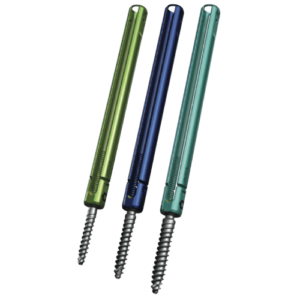 Key Features
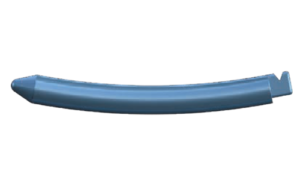 Key Features
 Key Features
 Key Features
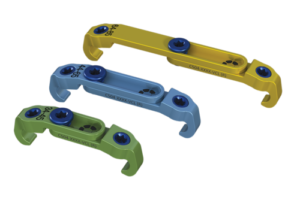 Key Features
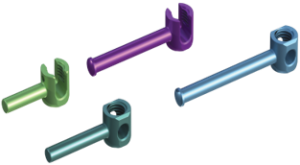 Key Features


 Key Features
 Key Features
 Key Features