Top Bone Graft Material Options for Effective Healing Solutions?

Bone graft material plays a critical role in the healing process for various orthopedic procedures. Selecting the right type can significantly influence recovery outcomes. There are numerous options available today, each offering unique properties and benefits.

In recent years, advancements in biomaterials have led to innovative solutions for bone repair. Options range from natural grafts, such as autografts and allografts, to synthetic materials. Each choice presents challenges and limitations. For instance, while autografts are highly effective, they require additional surgeries, posing risks.

Consider the emerging alternatives like advanced ceramics or bioactive glass. These materials show promise but still require thorough evaluation. Surgeons must carefully weigh the benefits of these bone graft materials against potential complications. Continuous research and development are necessary to improve healing solutions. Therefore, understanding the landscape of bone graft materials is essential for effective clinical outcomes.

Top Bone Graft Material Options for Effective Healing Solutions?

Types of Bone Graft Materials: An Overview of Options

When it comes to bone graft materials, several options exist. Understanding these can make a significant difference in healing. Autografts, or grafts sourced from the patient’s own body, are often considered the gold standard. They promote integration and healing effectively. However, they require an additional surgical site, which can lead to complications.

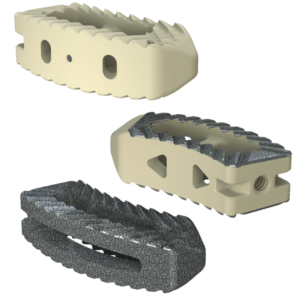
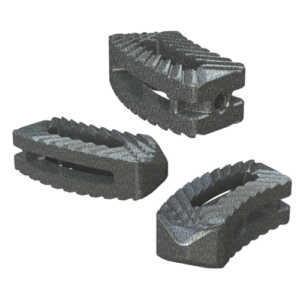
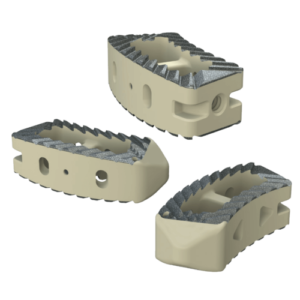
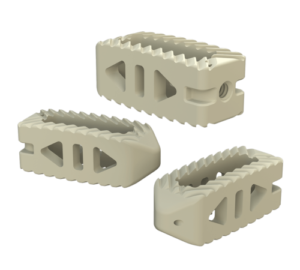
Allografts, sourced from donors, offer a ready-made alternative. They reduce recovery time since no extra procedure is necessary. However, the risk of rejection is a concern. Synthetic materials, like ceramics and polymers, provide predictability for clinicians. These materials can be tailored to fit specific needs. They may not always blend seamlessly with natural bone.

**Tips:** Always consult with your healthcare provider. They can help you choose the best material for your condition. Keep in mind the potential for complications with autografts. Also, consider recovery timelines when selecting a graft type. Not all options suit every patient.

The choice of material can sometimes feel overwhelming. Each option has its own set of advantages and drawbacks. It’s essential to weigh these carefully. Reflect on your specific situation and healing needs. This choice can impact your recovery journey profoundly.

Top Bone Graft Material Options for Effective Healing Solutions

Type of Bone Graft Material Source Key Benefits Common Applications
Autograft Patient's own bone High compatibility, promotes healing Spine surgery, fractures, joint replacements
Allograft Donor bone Reduced surgery time, variety of shapes Orthopedic surgeries, dental implants
Xenograft Animal bone (usually bovine) Biocompatible, good for structural support Dental grafting, periodontal surgeries
Synthetic Grafts Biomaterials, ceramics Customizable, readily available Bone regeneration, filling bone voids
Growth Factor-Enhanced Grafts Combination of bone grafts with growth factors Accelerated healing, enhanced bone formation Complex bone reconstructions, large defect repairs

Natural Bone Grafts: Benefits and Limitations

Top Bone Graft Material Options for Effective Healing Solutions?

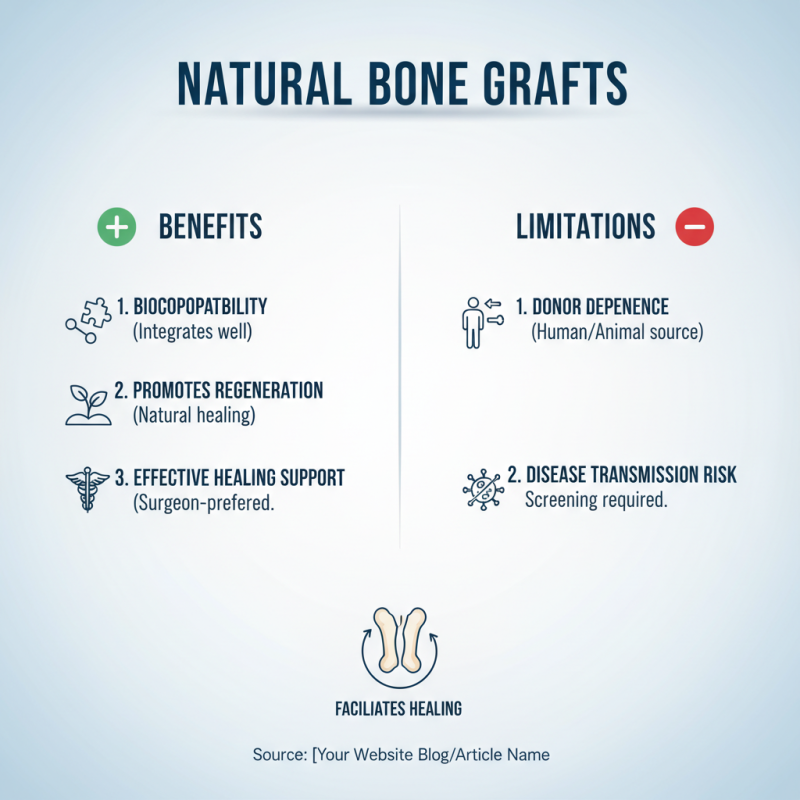
Natural bone grafts have gained popularity for their ability to facilitate healing. These grafts come from human donors or animals. The main appeal lies in their biocompatibility. They integrate well with the host’s existing bone. This integration promotes natural regeneration. Surgeons appreciate this feature as it supports effective healing.

However, there are limitations. One major concern is the risk of disease transmission. Although screening processes are in place, there is still some level of uncertainty. Some patients may also experience rejection. This could lead to complications that hinder recovery. Additionally, natural grafts may not always contain enough growth factors. This can limit their effectiveness in certain situations.

The sourcing process for these grafts can also pose challenges. Obtaining suitable bone may be difficult. The availability may vary, causing delays in procedures. These factors raise questions about the reliability and consistency of natural grafts. Reflection on these aspects is essential for both patients and healthcare providers. Understanding the benefits alongside the limitations can guide better decision-making in treatment plans.

Synthetic Bone Grafts: Innovation in Healing Solutions

Synthetic bone grafts are transforming the landscape of orthopedic surgery. These materials provide innovative solutions for effective healing. They often contain hydroxyapatite, a mineral component similar to natural bone. This similarity allows for better integration within the body. According to recent studies, synthetic grafts have shown up to 80% success rates in promoting bone regeneration.

Tips: When considering synthetic options, look for those with established biocompatibility. This ensures reduced chances of adverse reactions. Knowing the properties of these grafts is crucial.

Despite their advantages, synthetic grafts can still present challenges. The healing process may vary significantly between patients. Some patients report slower integration times. Discussions with healthcare providers about expectations are essential. Understanding potential limitations can lead to better outcomes.

Engaging with the latest research is vital. A 2022 analysis revealed that 35% of surgeons are still hesitant to adopt synthetic grafts. Ongoing training and education for medical professionals can help improve confidence in these materials. Remember, every patient’s healing journey is unique.

Factors Influencing Bone Graft Material Selection

Top Bone Graft Material Options for Effective Healing Solutions?

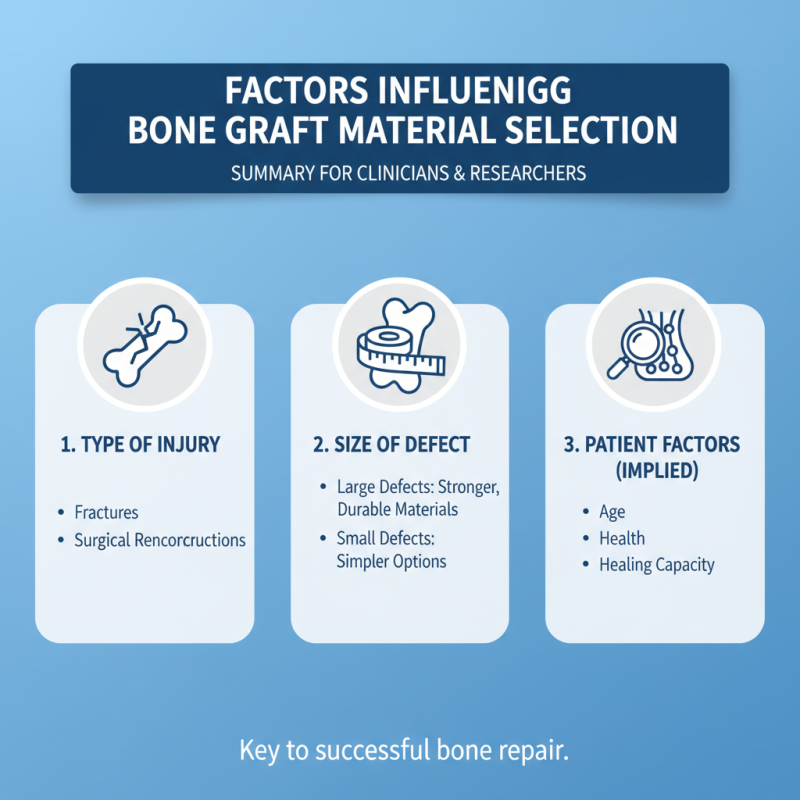
When selecting bone graft materials, several key factors come into play. The type of injury affects the choice significantly. For example, fractures may require specific materials compared to surgical reconstructions. The size of the defect also matters. Larger defects may demand stronger, more durable materials while smaller ones can use simpler options.

Biocompatibility is crucial. Materials should integrate with natural bone without causing adverse reactions. Some materials, like autografts, promote better healing as they are derived from the patient’s own body. This can lead to a more effective healing process, but it may involve more surgical complexity.

Additionally, the long-term stability of the graft material is essential. Some synthetic options may degrade over time, compromising structural integrity. It’s vital to weigh the benefits of faster recovery against the risks involved. The learning curve in choosing the right material highlights the need for ongoing education and experience. Every choice has its trade-offs, and reflection on these factors is necessary for success.

Future Trends in Bone Graft Technology and Materials

The field of bone graft technology is rapidly evolving. In recent years, researchers have focused on creating more effective materials that enhance healing. Innovations include the use of biocompatible polymers and synthetic materials that mimic natural bone structure.

One prominent trend is the development of bioactive grafts. These grafts release growth factors slowly, recruiting the body's cells to aid in repair.

3D printing technology also plays a significant role. It allows for customization, enabling specific shapes that fit individual patient needs. Yet, questions remain about long-term integration with existing bone.

Despite these advancements, challenges persist. Not all materials achieve expected healing outcomes. The risk of rejection or infection still looms. Comprehensive studies are needed to identify the best candidates. These trends hint at a future with promising treatments but require careful consideration and further exploration.