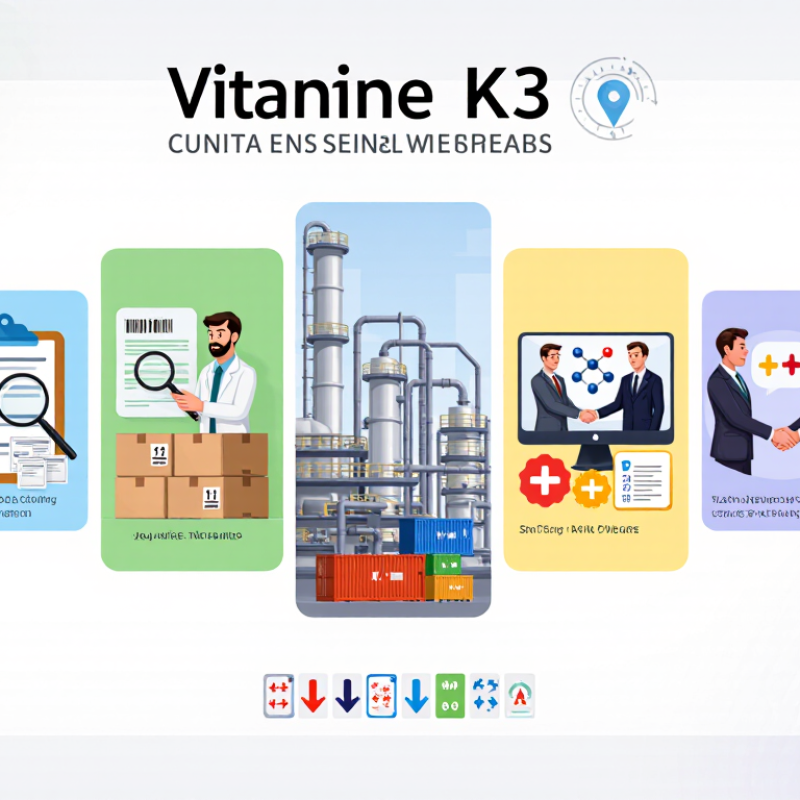
| 1 | Product identity and form | Confirm the exact Vitamin K3 derivative, grade, intended use, and product specification. Different derivatives are not interchangeable. | Technical data sheet, product specification, label, and a clear chemical identity. | Match against purchase requirements. |
| 2 | Batch-specific COA | Check that the certificate of analysis identifies the supplied lot and reports results against stated acceptance limits. | Recent lot COA with test methods, results, units, dates, and authorized approval. | Confirm lot number matches shipment documents. |
| 3 | Assay and analytical methods | Review the assay basis, method suitability, and whether results are reported on an as-is or dry basis where relevant. | Method references or validation summaries and the applicable product specification. | Compare like-for-like results and limits. |
| 4 | Impurities and contaminants | Assess relevant impurities and contaminants based on the product, process, intended use, and destination-market rules. | Risk-based testing data, limits, methods, and a written explanation for any parameters not routinely tested. | Check limits against applicable specifications and regulations. |
| 5 | GMP and quality system | Determine which manufacturing and quality practices apply to the product and intended market; a GMP claim should have a defined scope. | Current certificate or audit evidence, issuing body, site address, scope, and validity dates, where applicable. | Verify scope covers the relevant site and activity. |
| 6 | FAMI-QS, if relevant | For feed-chain procurement, check whether FAMI-QS certification is relevant and whether the certified scope covers the supplied product and site. | Current certificate, scope, site details, validity, and confirmation through the certification body or scheme resources. | Do not treat a logo or unsupported claim as proof. |
| 7 | Regulatory compliance | Confirm the product’s permitted use, status, labeling, and import requirements for the destination jurisdiction. Requirements depend on use and market. | Applicable registrations, declarations, regulatory references, and market-specific supporting documents. | Confirm independently with qualified regulatory counsel or authorities. |
| 8 | Traceability and change control | Check raw-material and finished-lot traceability, complaint handling, recall procedures, and notification of material process changes. | Traceability statement, recall procedure summary, and written change-notification policy. | Review during qualification and periodic audits. |
| 9 | Safety and handling documents | Ensure handling, storage, transport, and hazard information is suitable for the exact product and shipment. | Current safety data sheet, storage conditions, packaging details, and transport information as applicable. | Check consistency with the product label and shipping documents. |
| 10 | Independent verification and audit | Validate supplier-provided information and assess the manufacturing site, quality controls, and corrective-action process. | Audit report or remote assessment, certificate verification, and closure evidence for significant findings. | Approve only after documented review. |






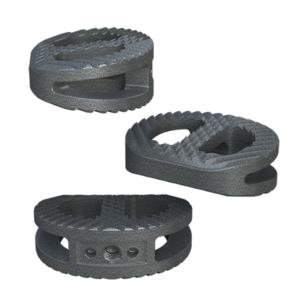 System Features
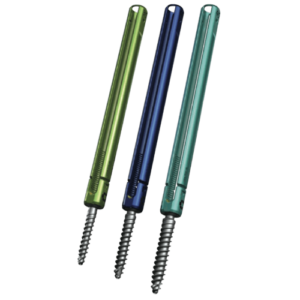 Key Features
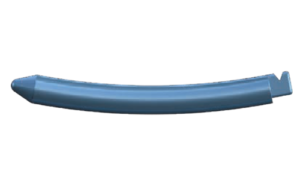 Key Features
 Key Features
 Key Features
 Key Features
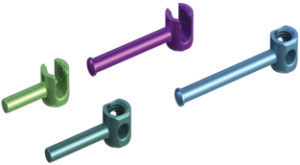 Key Features
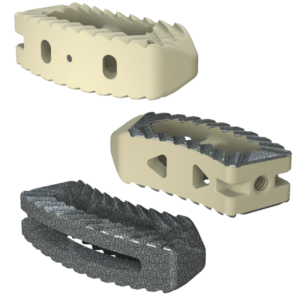
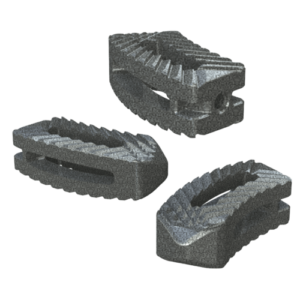
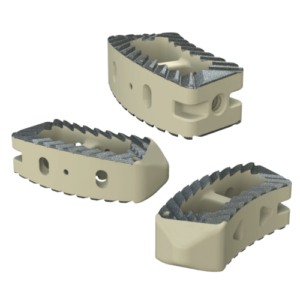
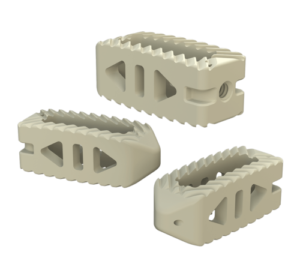
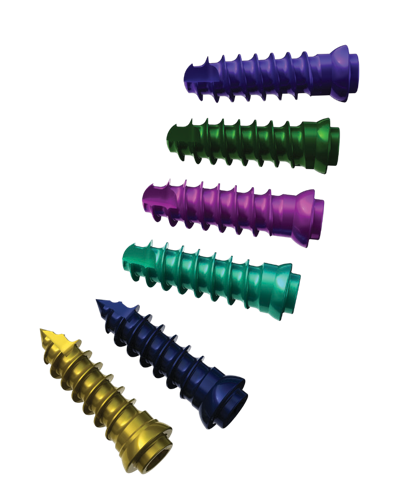
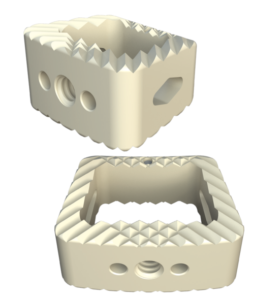 Key Features
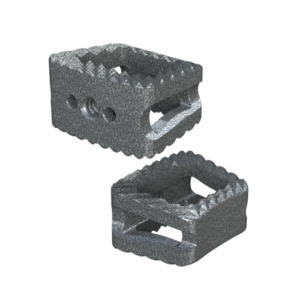 Key Features
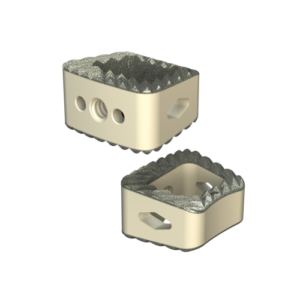 Key Features