| 1 | Meaning of explosion protection | An explosion-protected luminaire is designed and assessed for specified hazardous environments and protection requirements. A robust housing alone does not make a light explosion-proof. | Check the complete Ex marking and certificate for the exact luminaire model and configuration. |
| 2 | Applicable standards | The IEC 60079 series covers equipment for explosive atmospheres. In China, the GB/T 3836 series addresses explosive atmospheres; confirm the applicable part and edition for the product. | Look for standard numbers and editions on the certificate and technical documents, rather than relying on a general claim of compliance. |
| 3 | Protection concept | IEC 60079-1 covers flameproof enclosures (“d”); IEC 60079-7 covers increased safety (“e”); and IEC 60079-31 covers protection by enclosure for combustible dust (“t”). | Confirm that the stated protection concept is suitable for the intended gas or dust hazard and installation. |
| 4 | Gas group | Gas equipment groups commonly include IIA, IIB, and IIC. IIC is the most demanding of these gas subgroups. | Match the marked gas group to the hazardous substance classification specified for the site. |
| 5 | Dust group | Combustible-dust equipment uses dust-related markings and requirements that differ from gas equipment classifications. | Check the dust marking and certificate against the actual dust hazard; do not infer dust suitability from a gas rating. |
| 6 | Temperature class | For gas equipment, T6 indicates a maximum equipment surface temperature of 85°C under the stated conditions; T5 is 100°C, T4 is 135°C, T3 is 200°C, T2 is 300°C, and T1 is 450°C. | Ensure the marked temperature class is appropriate for the ignition temperature of the hazardous substance and the declared ambient conditions. |
| 7 | Hazardous-area zone and equipment protection level | Gas and dust areas are classified separately. Common gas zones are 0, 1, and 2; common dust zones are 20, 21, and 22. Equipment protection level markings include Ga, Gb, and Gc for gas, and Da, Db, and Dc for dust. | Confirm that the equipment protection level and zone suitability match the site’s area classification. |
| 8 | Ingress protection (IP) rating | An IP rating describes protection against solid-object and water ingress. It does not, by itself, demonstrate explosion protection. | Check the IP rating separately against the outdoor, washdown, dust, and moisture conditions at the installation site. |
| 9 | Photometric and electrical data | Lumen output, power, efficacy, beam distribution, input voltage, and power factor are product-specific values, not universal properties of explosion-protected floodlights. | Compare the datasheet values and test conditions for the exact model; confirm that beam shape and light output suit the application. |
| 10 | Certificate, accessories, and installation | Explosion-protection approval applies to the certified product design and specified conditions. Cable glands, entry arrangements, mounting, and temperature limits can affect a compliant installation. | Check certificate scope, permitted ambient temperature, approved accessories, installation instructions, and any limitations before purchase and installation. |




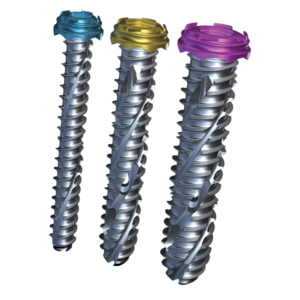

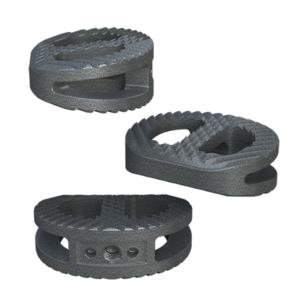 System Features
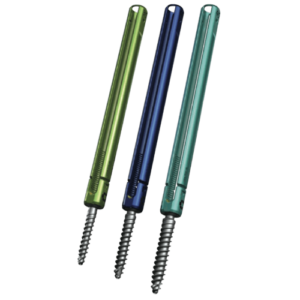 Key Features
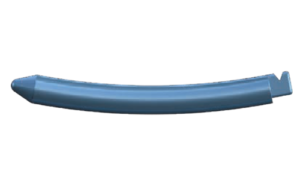 Key Features
 Key Features
 Key Features
 Key Features
 Key Features
 Key Features
 Key Features
 Key Features