| 1. Match absorbency to exudate | Estimate whether drainage is light, moderate, or heavy, and check whether the dressing is becoming saturated between changes. | For moderate-to-heavy exudate, consider an absorbent foam, hydrofiber, or alginate dressing. For light exudate, a less absorbent contact layer or foam may be sufficient. | Choose a dressing that manages moisture without leaving the wound bed dry or allowing fluid to leak onto surrounding skin. Change it when saturated, leaking, or otherwise due under the care plan. |
| 2. Check wound depth and shape | Note whether the ulcer is shallow or has a cavity, undermining, or irregular edges. | A conformable contact layer or foam may suit a shallow wound. A cavity may need a dressing designed for gentle filling, such as a ribbon-form alginate or hydrofiber, when clinically appropriate. | Fill cavities loosely and only as directed; do not pack tightly. Ensure that any inserted material can be removed in full and documented. |
| 3. Protect fragile wound tissue | Look for granulation tissue, new epithelial growth, pain during removal, or tissue that bleeds easily. | Consider a non-adherent contact layer, soft silicone contact layer, or atraumatic foam to reduce sticking and removal-related trauma. | Moisten a dressing that has adhered before removal if appropriate. Avoid unnecessary dressing changes that may disturb healing tissue. |
| 4. Protect the surrounding skin | Check for maceration, moisture damage, irritation, or fragile skin around the ulcer. | Use a skin barrier film or suitable barrier product on intact periwound skin. Select a dressing that can contain drainage and minimize adhesive contact with fragile skin. | Keep adhesive products off the wound bed. If the skin is becoming white, soggy, or irritated, reassess absorbency, dressing fit, and change frequency. |
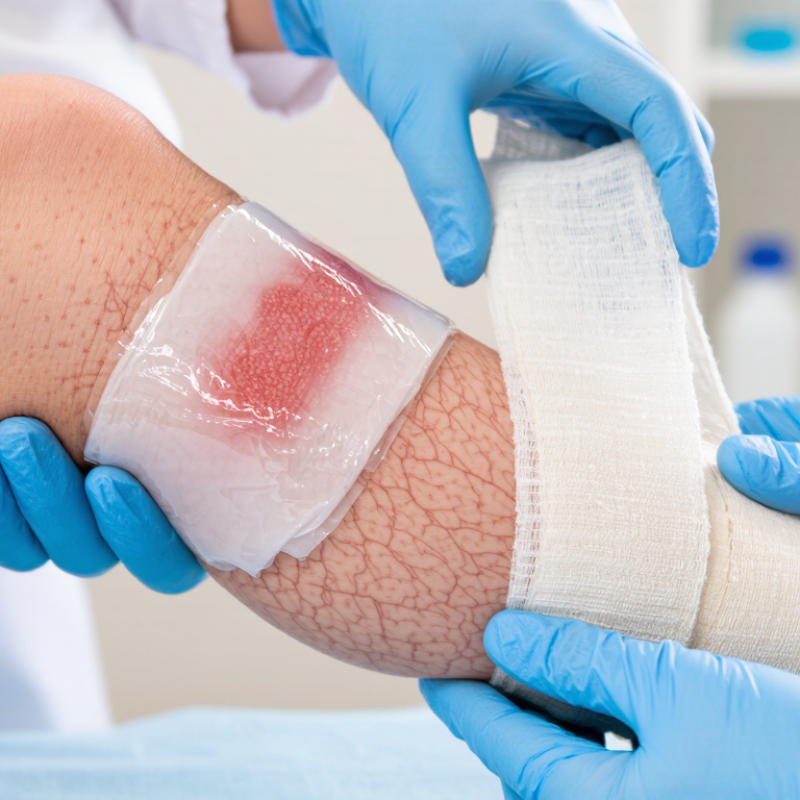
| 5. Consider the leg’s contours and dressing security | Assess the location of the ulcer, leg shape, mobility, and whether the dressing stays in place beneath any compression system. | Choose a flexible dressing that conforms to the site and is compatible with the planned compression bandage or garment. | Avoid bulky layers that create pressure points or interfere with compression fit. Secure dressings without constricting the leg. |
| 6. Use antimicrobial dressings selectively | Look for clinical signs that may indicate infection, such as spreading redness, increasing warmth or pain, new or worsening purulent drainage, or systemic symptoms. | Antimicrobial dressings may be considered for a defined clinical indication and a time-limited trial, with regular review. | Do not use antimicrobial dressings routinely on every venous ulcer. Suspected infection requires clinical assessment; a dressing alone is not a substitute for appropriate treatment. |
| 7. Review response and the overall care plan | Track wound area and depth, exudate, surrounding skin, pain, and dressing performance at regular reviews. | Continue, adjust, or change the dressing according to the wound’s progress and the clinician’s plan. | Dressings support wound care but do not correct venous hypertension. Compression is commonly central to venous ulcer management when appropriate; arterial circulation should be assessed and compression selected by a qualified clinician. |




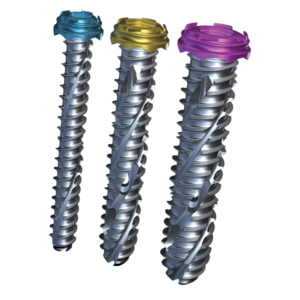

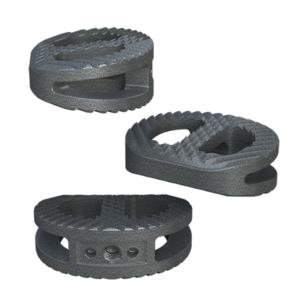 System Features
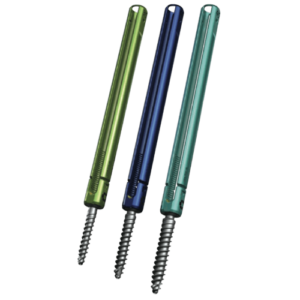 Key Features
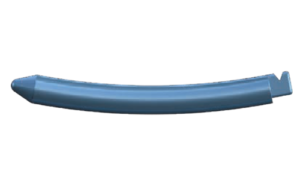 Key Features
 Key Features
 Key Features
 Key Features
 Key Features
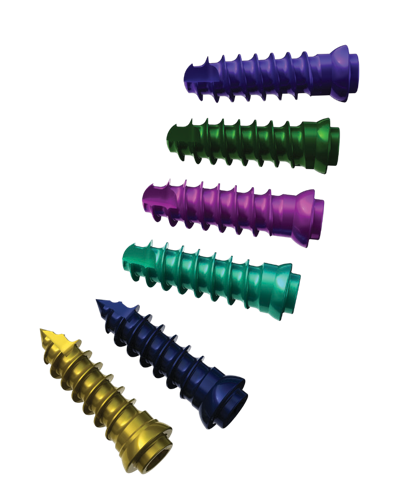
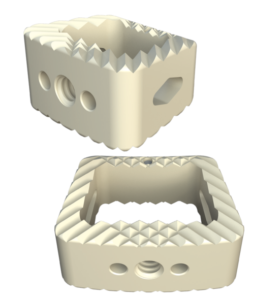 Key Features
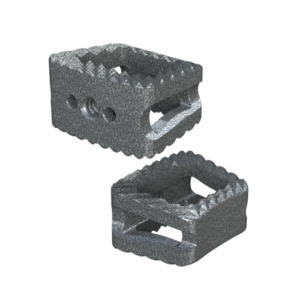 Key Features
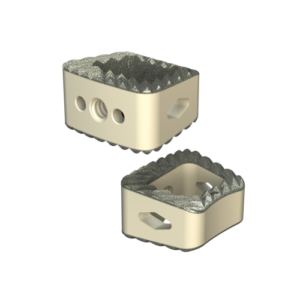 Key Features