| 1. Define the intended use and market | Set specifications according to the product’s intended use and the rules that apply in the destination market. Requirements for identity, contaminants, labeling, and permissible claims can vary by jurisdiction. | Decide whether the ingredient must suit a finished product such as a capsule, powder blend, or resin presentation. | Estimate demand by sales channel and expected launch timing rather than relying only on a supplier’s minimum order quantity. | Ask which regulatory documents and product specifications are available for the intended market. Do not assume that one specification is suitable worldwide. |
| 2. Set measurable identity and composition specifications | Specify botanical or material identity, the test method, and the required reporting basis. If setting a fulvic-acid specification, request the analytical method because results can vary by method. | Confirm whether the specification applies to resin, powder, or another extract form; composition and concentration may differ between forms. | Use the same agreed specification for samples, production lots, and repeat orders to make comparisons meaningful. | Request a batch-specific certificate of analysis (COA) showing test results, methods, units, and acceptance criteria—not just a general product brochure. |
| 3. Verify contaminant testing | Include appropriate testing for heavy metals and microbiological contaminants. Add other tests where indicated by the product, process, or applicable regulations. | Check the finished form, since processing and handling can affect the material being tested. | Require testing for each production lot or define a documented, risk-based testing plan with the supplier. | Review actual results against applicable limits. Confirm the laboratory, test methods, sample identification, and report date; consider independent verification. |
| 4. Choose the form based on processing needs | Ask about moisture, solubility or dispersibility where relevant, and any carriers or processing aids. Confirm whether the ingredient is a concentrated extract or a blend. | Resin: concentrated, sticky material that can require careful handling. Powder: generally easier to weigh and blend, but may contain a carrier or anti-caking agent. | Account for practical handling losses and the quantity of usable ingredient in the delivered material, especially if a carrier is present. | Request the full ingredient declaration, processing description, storage instructions, and a sample to test in your actual formulation. |
| 5. Check batch consistency and traceability | Define acceptable ranges for key identity and composition measures, and document how out-of-specification results are handled. | Confirm that the supplied form and appearance match the approved sample and product specification. | For ongoing purchases, discuss lot allocation and whether repeat orders can be produced to the same agreed specifications. | Check that each lot has a unique identifier and traceable production and testing records. Ask how changes in source or process are communicated. |
| 6. Calculate the order quantity from demand | Base the calculation on the verified ingredient content and the amount required per finished unit, rather than on gross shipment weight alone. | Allow for form-specific dosing, handling, and any carrier content when converting finished-product demand into ingredient demand. | Planning formula: monthly ingredient use × months of coverage + a justified safety stock. For example, 5 kg per month × 3 months = 15 kg before any additional buffer. | Compare the calculated quantity with the supplier’s MOQ, shelf life, lead time, storage capacity, and payment terms before committing. |
| 7. Approve a sample and storage plan before scaling | Evaluate the sample against the written specification and have relevant tests completed before approving a bulk lot. | Check whether the container, sealing, and handling instructions suit the material and your production process. | Consider a smaller initial order or staged deliveries when feasible, especially before demand and product performance are established. | Agree on packaging, storage conditions, shelf-life or retest information, shipping protection, and the process for complaints or rejected lots. |







 System Features
 Key Features
 Key Features
 Key Features
 Key Features
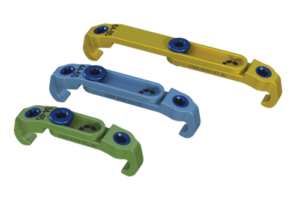 Key Features
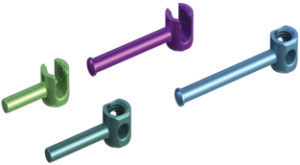 Key Features
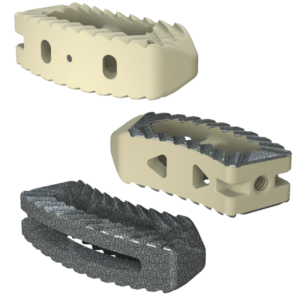
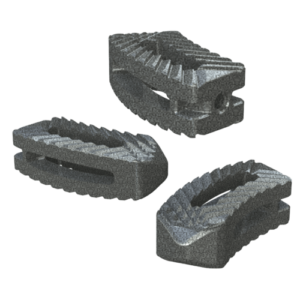
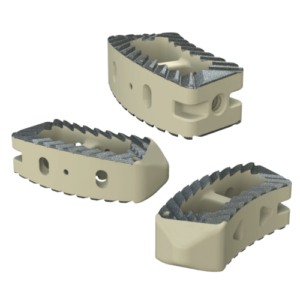
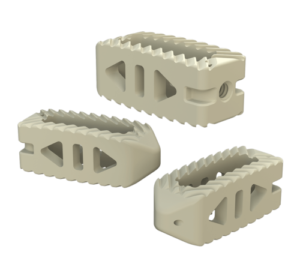
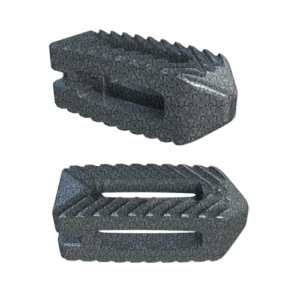
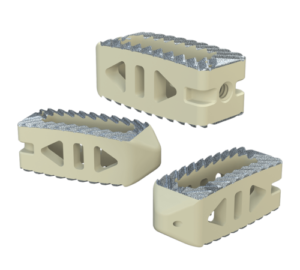

 Key Features
 Key Features
 Key Features