| 1. Compare water absorption carefully | Ask for a measured absorption value and the test method. Check whether the figure applies to the pot body, a tile, or another sample. | ISO 13006 classifies ceramic tiles by water absorption. Its BIa category is ≤0.5%; this is a porcelain-tile benchmark, not a general certification threshold for flower pots. | Lower absorption can mean less water enters the ceramic body, but the tile classification alone does not establish a pot’s outdoor or frost performance. |
| 2. Confirm outdoor and freeze-thaw suitability | Look for explicit outdoor-use information and ask how the pot was tested for the expected climate. | Freeze-thaw damage risk depends on factors including water uptake, drainage, clay body, and exposure. A low absorption figure by itself is not a complete guarantee. | A pot that stays saturated and freezes may be more vulnerable to cracking or surface damage. |
| 3. Check drainage and water escape | Inspect the base for drainage holes and make sure the design allows water to flow out when the pot is placed on its intended surface. | Compare the number, position, and openness of the holes; confirm whether a saucer or feet could block them. | Good drainage helps prevent prolonged waterlogging around roots and reduces standing water inside the pot. |
| 4. Match internal size to the plant | Compare internal diameter and usable depth, rather than relying only on the outside dimensions. | For a rough cylindrical estimate, volume in litres ≈ 3.14 × radius² × internal height in cm ÷ 1,000. Tapered shapes hold less than this estimate. | Usable volume and root-room affect how much growing medium the pot can hold and how often it may need watering. |
| 5. Plan for the filled weight | Check the empty pot weight and consider the weight of the growing medium, plant, and retained water. | One litre of water has a mass of approximately 1 kg. The finished pot can be substantially heavier than the empty vessel. | Weight affects placement, moving, balcony or deck loading, and the risk of tipping in exposed locations. |
| 6. Assess stability and base design | Compare the base width with the pot height and check that the base sits evenly on a flat surface. | A wider, level base generally offers a more stable footprint than a narrow base on a tall pot; assess the actual shape and placement conditions. | Stability is particularly important for tall plants and locations exposed to wind or accidental knocks. |
| 7. Inspect finish, rim, and care details | Look for chips, cracks, uneven glazing, and a sound rim. Ask whether the finish is intended for continuous outdoor exposure. | Compare care instructions and any stated limits for sunlight, temperature, cleaning products, or winter storage. | The finish and exposed edges can affect appearance and durability; clear care guidance helps set realistic expectations. |




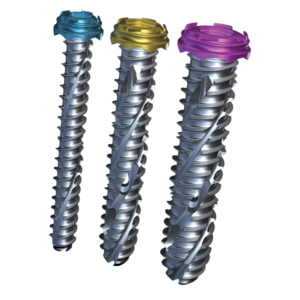

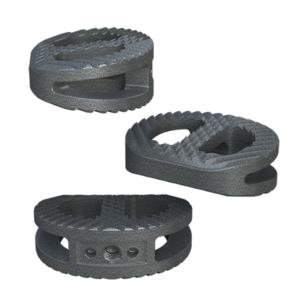 System Features
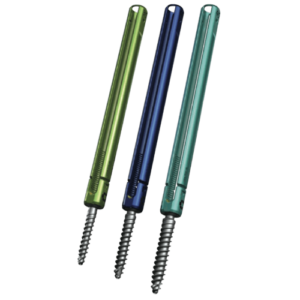 Key Features
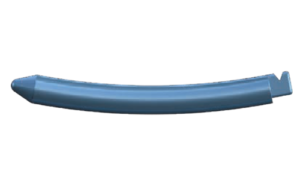 Key Features
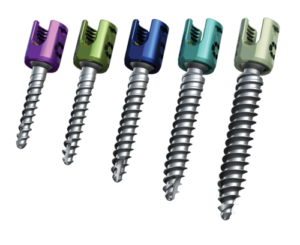 Key Features
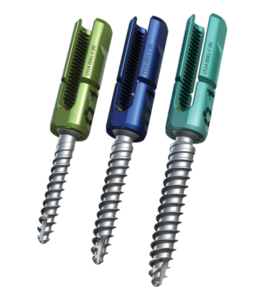 Key Features
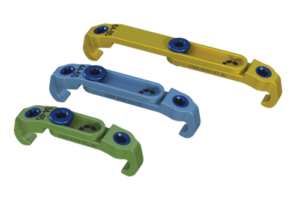 Key Features
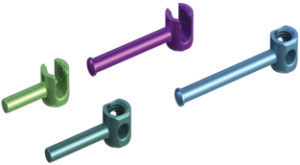 Key Features
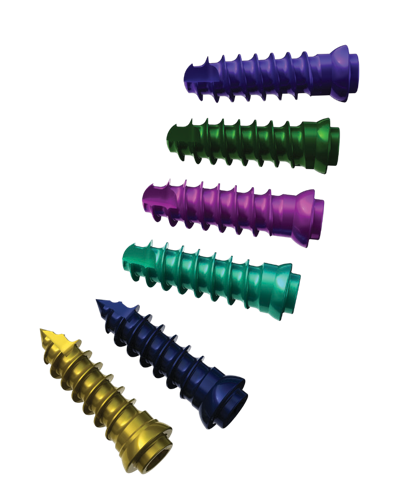
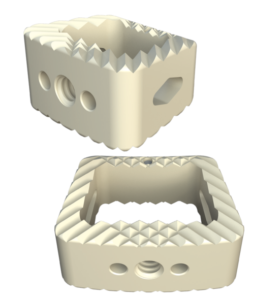 Key Features
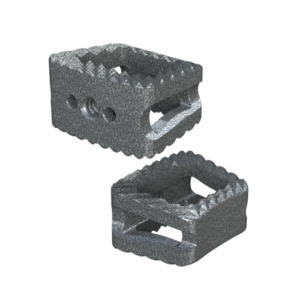 Key Features
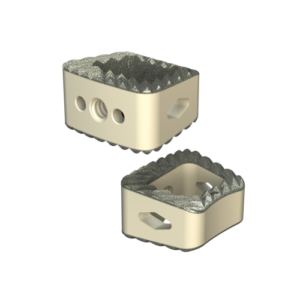 Key Features