| 1 | Drainage
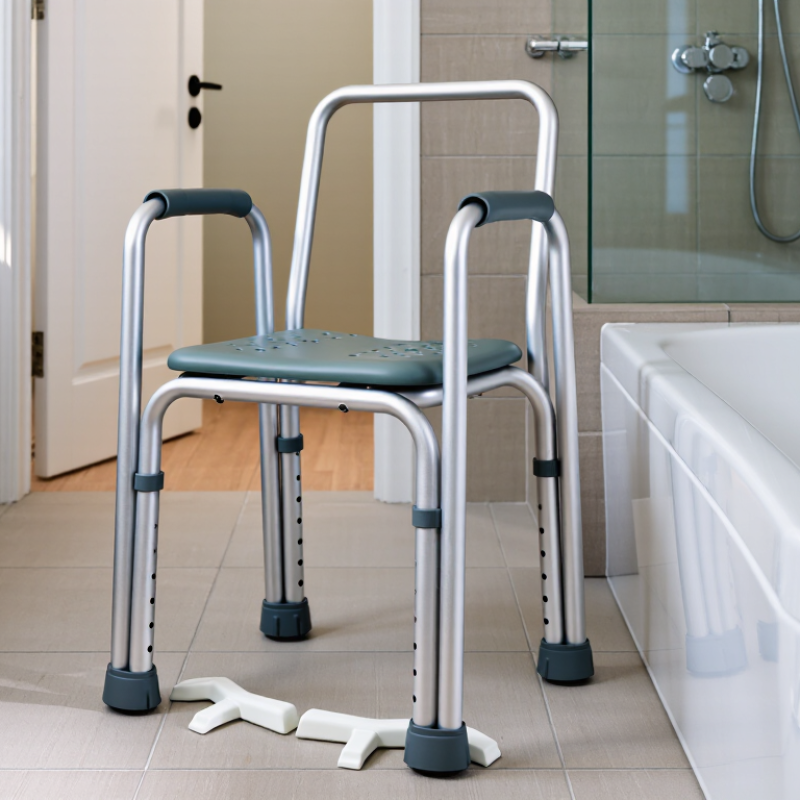
Seat holes and water flow | Look for evenly distributed drainage holes or slots, smooth edges, and a surface that does not retain puddles. | Choose a seat with open drainage across the main sitting area and no blocked channels or deep recesses. | Efficient drainage helps reduce standing water, soap residue, and slippery conditions during bathing. |
| 2 | Stability
Frame, feet, and load support | Inspect the frame joints, leg locks, rubber ferrules, and the contact area of all four feet. Test the chair on a level, wet surface. | The chair should remain level without rocking, and its stated maximum user weight should exceed the user’s weight with a sensible safety margin. | A rigid frame and secure, non-slip feet help limit movement when sitting down, standing up, or shifting position. |
| 3 | Adjustability
Seat height and leg settings | Compare the adjustment range, number of height positions, pin or button security, and whether settings can be changed without tools. | Select a height that allows the user’s feet to rest flat on the floor while the knees remain comfortable and the user can transfer safely. | Correct height improves balance and reduces excessive bending or strain during transfers. |
| 4 | Comfort
Seat shape and surface | Check the seat width, depth, rounded edges, back support, and whether the surface stays comfortable when wet. | The seat should support the user without pressure at the thighs and provide enough room for small posture changes. | A suitable seat promotes better posture and makes longer bathing sessions less tiring. |
| 5 | Aluminium Quality
Corrosion resistance and finish | Look for corrosion-resistant aluminium tubing, sealed or protected joints, smooth welds, and hardware suitable for humid environments. | Avoid sharp edges, exposed rust-prone steel parts, flaking coatings, or hollow sections that can trap water. | Bathrooms are consistently damp; suitable materials and finishes can help extend service life and maintain structural integrity. |
| 6 | Fit and Access
Bathroom and user dimensions | Measure the shower floor, bathtub width, doorway, and available turning space. Compare these measurements with the chair’s overall width and depth. | Leave enough clearance for the user’s legs, carers, shower controls, and safe transfers without the chair touching walls or fixtures. | A chair that fits poorly can obstruct movement, restrict access to controls, or become difficult to position safely. |
| 7 | Maintenance and Safety
Cleaning, assembly, and inspection | Review cleaning instructions, assembly requirements, replacement-foot availability, fastener security, and the condition of the rubber tips. | Prefer a design with easy-to-clean surfaces, accessible drainage, clear adjustment markings, and no loose or damaged components. | Regular cleaning and inspection help prevent residue buildup, loosened parts, and loss of grip over time. |






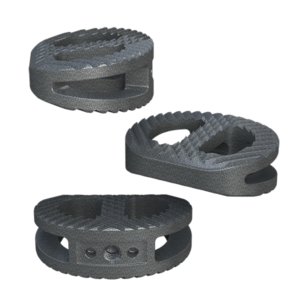 System Features
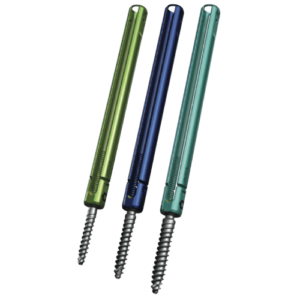 Key Features
 Key Features
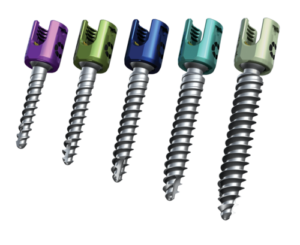 Key Features
 Key Features
 Key Features
 Key Features
 Key Features
 Key Features
 Key Features