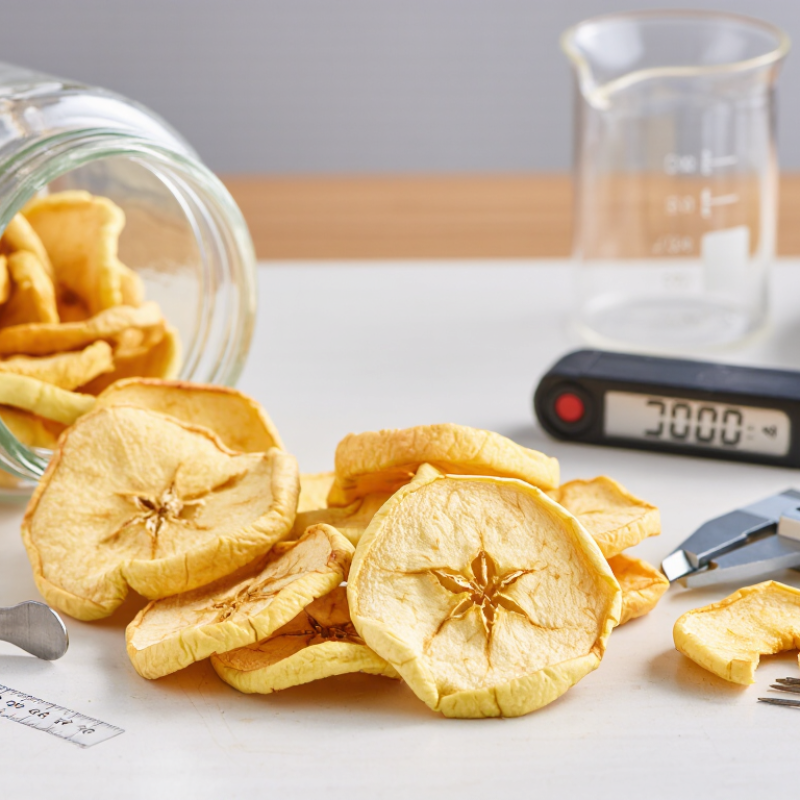
| U100 size definition | Use a written count specification: fewer than 100 dried apple pieces per avoirdupois pound, unless the buyer defines U100 differently. State the piece form, such as rings, slices, wedges, or dices. | Count a representative sample after removing fragments and record pieces per 453.6 g. Do not rely on the code “U100” alone because size codes are not universally standardized. |
| Apple variety and origin | Declare the apple variety or variety group, country of origin, harvest year, and processing location. The product should be free from undeclared mixed fruit. | Review the product specification, traceability records, lot code, and certificate of analysis for each shipment. |
| Product form and cut | Specify whole-ring diameter or slice dimensions, thickness, permitted broken pieces, and maximum stem, core, peel, or seed material. A practical target for slices is approximately 3–8 mm thickness, subject to the intended application. | Measure at least 30 pieces from the pre-shipment sample and compare with the agreed tolerance and visual reference sample. |
| Ingredients and additives | Clearly state whether the product is unsweetened and whether it contains sulfur dioxide or other permitted processing aids. For a “no added sugar” claim, no sugar or sweetener should be added during processing. | Check the ingredient declaration, allergen statement, formulation record, and laboratory result for sulfite concentration where applicable. |
| Moisture content | Typical commercial target: approximately 12–20% moisture, with the exact limit set according to texture, packaging, and intended shelf life. | Test by a validated oven, infrared, or equivalent method. Use the same method for supplier approval and incoming inspection. |
| Water activity | A practical dried-fruit control target is aw ≤ 0.60, unless the product specification requires a lower value for texture or stability. | Test with a calibrated water-activity meter at a controlled temperature, commonly 25°C, and record the instrument calibration check. |
| Appearance and color | Uniform natural apple color from cream to light brown, with no visible mold, insect damage, fermentation, excessive blackening, foreign material, or abnormal scorching. | Conduct a documented visual inspection under consistent lighting using an approved reference sample. |
| Flavor and odor | Typical clean apple aroma and flavor; no musty, rancid, fermented, chemical, smoky, or sulfur odor above the agreed sensory threshold. | Use a trained sensory panel or approved sensory protocol on every pre-shipment sample and periodically on production lots. |
| Microbiological safety | Set limits for total plate count, yeast and mold, coliforms, and pathogens according to the destination market, product use, and customer food-safety plan. Salmonella and Shiga toxin-producing E. coli should be absent in the defined analytical portion where required by the specification. | Request a lot-specific certificate of analysis from an accredited laboratory and verify the analytical methods and sample size. |
| Pesticide residues | Residues must comply with the maximum residue limits of the importing market, such as applicable United States, European Union, or other national requirements. | Obtain a multi-residue pesticide report from an appropriately accredited laboratory and confirm that the test scope covers the destination market. |
| Heavy metals and contaminants | Control lead, cadmium, arsenic, and other contaminants under the legal limits applicable to the destination country and the product category. | Review periodic contaminant testing, supplier risk assessments, and evidence that the laboratory uses validated methods. |
| Food-safety certification | Prefer a valid, independently audited food-safety certification recognized by the Global Food Safety Initiative, or an equivalent documented HACCP-based system where accepted by the buyer. | Check the certificate scope, site address, product category, issue date, expiry date, audit status, and certification body. |
| Regulatory registration | For shipments to the United States, verify applicable food-facility registration and preventive-control compliance. For other markets, verify the relevant importer, food-business, and traceability requirements. | Request current regulatory documentation and confirm that the registered activity matches dried-fruit processing and packing. |
| Organic, halal, and kosher claims | Treat organic, halal, and kosher status as separate claims. Each claim must be supported by a current certificate covering the product and processing site. | Verify the certificate issuer, product scope, validity period, ingredient controls, and chain-of-custody requirements before using the claim on labels. |
| Allergen and cross-contact control | Declare apple and any processing ingredients required by the destination market. State whether the facility handles tree nuts, peanuts, sesame, wheat, milk, soy, or other priority allergens. | Review the allergen-control plan, cleaning validation, line-changeover procedure, and label approval record. |
| Packaging material | Use food-contact-compliant, moisture- and oxygen-barrier packaging suitable for dried fruit. Specify inner bag, outer carton or sack, palletization, and tamper-evident requirements. | Request packaging specifications and food-contact declarations. Inspect seals, liner integrity, net weight, and carton condition before loading. |
| Shelf life and storage | Set shelf life from validated stability data. Store sealed product in a cool, dry, clean area away from sunlight, pests, strong odors, and condensation. Use first-expire, first-out inventory control. | Review real-time or accelerated stability evidence, storage conditions, best-before coding, and transport temperature and humidity controls. |
| Sample request | Request at least 500 g for sensory and size evaluation, plus the complete specification, ingredient statement, allergen declaration, recent certificate of analysis, certification copies, packaging details, and lot information. | Evaluate the sample unopened, after opening, and after rehydration or application testing if relevant. Keep a sealed retain sample for comparison. |
| Pre-shipment approval | Approve only lots matching the signed specification, approved reference sample, packaging standard, labeling requirements, and agreed tolerances. | Use a pre-shipment inspection checklist covering count size, moisture, water activity, appearance, odor, foreign material, net weight, carton markings, and documentation. |
| Traceability and recall readiness | Each case should identify the product, lot or batch number, production date, best-before date, net weight, storage instruction, and country of origin where required. | Confirm one-step-back and one-step-forward traceability and request evidence of a documented mock recall. |




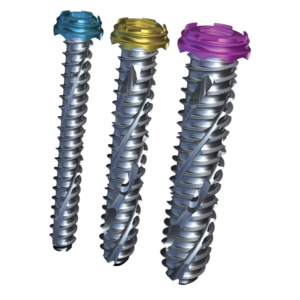

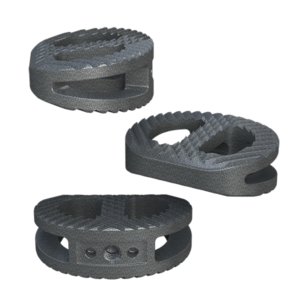 System Features
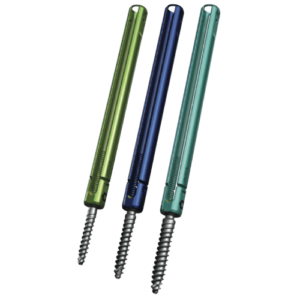 Key Features
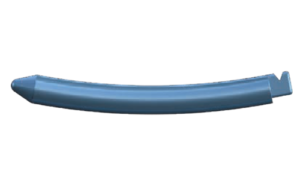 Key Features
 Key Features
 Key Features
 Key Features
 Key Features


 Key Features
 Key Features
 Key Features