| Ingredient identity | 100% dried Capsicum fruit for a single-ingredient chili powder | Confirms that the product is not diluted with flour, starch, salt, or undeclared spices | Ingredient review, microscopy, and authenticated reference testing | Unlisted fillers, artificial colorants, or undeclared blended spices |
| Moisture | Typically 8–12% for a free-flowing ground product; confirm the buyer’s specification | Lower moisture generally improves storage stability and reduces caking risk | Validated moisture analyzer or oven-drying method | Moisture above specification, clumping, dull aroma, or visible mold |
| Foreign matter | Absent; no stones, stems, insects, glass, metal, or other extraneous material | Reflects cleaning efficiency and physical handling controls | Representative sample inspection, sieving, magnets, and metal detection | Excessive stems, sand, plant debris, or inconsistent particle appearance |
| Purity and adulteration | No economically motivated adulteration; composition consistent with the declared product | Helps protect against substitution, dilution, and undeclared color enhancement | DNA or botanical microscopy, FTIR/NIR screening, and targeted chemical analysis | Unexpected starch, non-Capsicum DNA, unusual pigment profile, or inconsistent heat |
| Color intensity | Approximately 40–180 ASTA color units, depending on cultivar and intended use | Higher ASTA values generally indicate stronger natural red pigmentation, not necessarily greater heat | ASTA 20.1 spectrophotometric color method | Brown or gray appearance, rapid fading, or color inconsistent with the specification |
| Heat level | Mild: <1,000 SHU; medium: 1,000–20,000 SHU; hot: 20,000–100,000 SHU | Defines sensory intensity and supports recipe consistency | Capsaicinoid analysis by HPLC, reported as Scoville Heat Units | Large batch-to-batch variation or heat that does not match the declared level |
| Flavor and aroma | Clean, characteristic pepper aroma with no musty, fermented, chemical, or smoky odor unless specified | Indicates cultivar suitability, drying quality, and freshness | Standardized sensory panel using a controlled sample preparation | Mustiness, rancid notes, excessive bitterness, or an unexplained smoky flavor |
| Particle size | Common food-service range: 300–800 micrometers; tailor to the application | Affects dispersion, mouthfeel, extraction, color release, and dosing accuracy | Sieve analysis or laser diffraction | Uneven grind, excessive fines, visible coarse fragments, or rapid settling |
| Microbiological safety | Meets the importing market’s limits for Salmonella, total aerobic count, yeast, and mold | Confirms hygienic processing and acceptable microbial risk | Accredited laboratory testing using current food microbiology methods | Positive Salmonella result, high mold count, or unexplained microbial variation |
| Mycotoxins | Aflatoxins and ochratoxin A below the legal limits of the destination market | Controls risks associated with poor drying, moisture exposure, and improper storage | LC-MS/MS or validated HPLC-based testing | Wet storage history, mold odor, damaged packaging, or missing analytical results |
| Pesticide residues | Complies with maximum residue limits in the destination country | Supports regulatory compliance and responsible agricultural sourcing | Multi-residue GC-MS/MS and LC-MS/MS screening | Missing farm traceability, incomplete residue panel, or results exceeding local limits |
| Heavy metals | Lead, cadmium, arsenic, and mercury within destination-market limits | Addresses contamination from soil, irrigation water, equipment, or processing environments | ICP-MS or equivalent validated elemental analysis | Uncontrolled growing area, poor equipment maintenance, or incomplete metal testing |
| Traceability | Lot-specific records linking farm or collection area, harvest, drying, milling, and shipment | Enables targeted recalls and investigation of quality deviations | Document review, lot coding, and supply-chain audit | Mixed lots, unclear harvest dates, or certificates unrelated to the shipped batch |
| Packaging and storage | Food-grade, sealed, moisture-resistant packaging stored cool, dry, and away from light | Protects color, aroma, heat stability, and microbiological quality | Packaging inspection, warehouse-condition records, and shelf-life testing | Sun exposure, condensation, damaged liners, or excessive warehouse heat |







 System Features
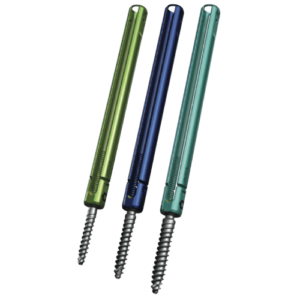 Key Features
 Key Features
 Key Features
 Key Features
 Key Features
 Key Features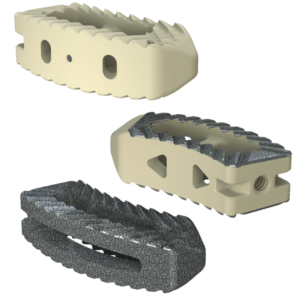
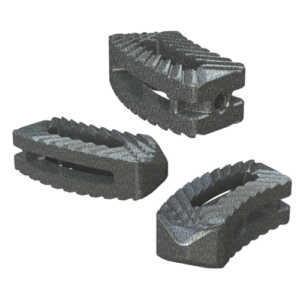
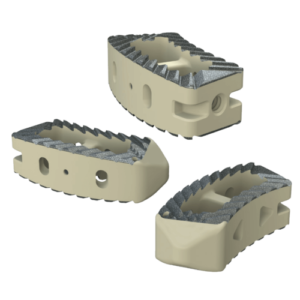



 Key Features
 Key Features
 Key Features