| Plasma p-tau217 Phosphorylated tau AT(N) | Detection of Alzheimer’s pathology; enrichment for amyloid-positive participants; pharmacodynamic monitoring in selected studies. | EDTA plasma is commonly used. Document collection tube, processing delay, centrifugation conditions, aliquot volume, freeze–thaw count, and storage temperature. | Ultra-sensitive immunoassay or high-sensitivity mass-spectrometry method. Results may be reported in pg/mL, but values are platform-dependent and should not be compared without harmonization. | Require precision near the clinical decision range, dilutional linearity, spike recovery, selectivity, lot-to-lot monitoring, interference testing, and stability after realistic handling excursions. | Strong candidate for regulated biomarker development, but intended-use claims must be defined separately for diagnosis, enrichment, prognosis, or treatment monitoring. Clinical cut-offs require population-specific validation. | Capture analyte definition, phosphorylation-site designation, calibrator traceability, assay version, units, lower limit of quantification, run date, and specimen-processing timestamps. | High priority |
| Plasma p-tau181 Phosphorylated tau AT(N) | Supportive evidence of Alzheimer’s pathology; cohort characterization; longitudinal observational studies and exploratory treatment-response analyses. | Plasma or serum may be used depending on the validated method. Matrix type must remain consistent within an analysis set because concentrations can differ between matrices. | Immunoassay and mass-spectrometry methods are available. Assay epitope, antibody pair, calibrator system, and reporting units materially affect comparability. | Request analytical sensitivity, repeatability, intermediate precision, between-run precision, carryover, matrix-effect, hemolysis, lipemia, and icterus studies. | Appropriate as a supportive biomarker or enrichment measure when the method and intended use are prospectively specified. Avoid treating a single threshold as universally transferable. | Store raw value, transformed value if used, reference interval or decision rule, assay platform class, quality-control results, and reason for any result exclusion. | High priority |
| Plasma Aβ42/Aβ40 ratio Amyloid AT(N) | Estimation of brain amyloid pathology; screening or enrichment before confirmatory amyloid imaging or cerebrospinal-fluid assessment. | EDTA plasma is frequently used, with strict control of adsorption, platelet contamination, processing time, storage duration, and freeze–thaw exposure. | Immunoprecipitation–mass spectrometry and high-sensitivity immunoassays can quantify Aβ isoforms. The ratio is sensitive to measurement error in both numerator and denominator. | Require separate validation of Aβ42 and Aβ40, ratio precision, analytical measurement range, recovery, dilution behavior, interference, sample stability, and concordance against an accepted amyloid reference method. | Suitable for pathology assessment or trial enrichment only when the intended population, comparator method, and decision threshold are validated. A ratio is not interchangeable with an absolute Aβ concentration. | Retain numerator, denominator, calculated ratio, calculation algorithm, missing-value rules, unit conventions, censoring flags, and reference-method results where available. | High priority |
| Plasma neurofilament light (NfL) Neurodegeneration N domain | General neuronal injury and disease-progression monitoring; useful for safety and exploratory pharmacodynamic assessment, but not specific to Alzheimer’s disease. | Plasma or serum can be measured. Record age, renal function, body mass, neurological comorbidities, recent injury, and inflammatory conditions because these may influence concentration. | High-sensitivity immunoassay is commonly used. Results are typically right-skewed and may require log transformation for statistical modeling. | Require age-stratified reference data, analytical precision, biological-variation estimates, reference-change calculations where relevant, and evidence that sample handling does not introduce material bias. | Strong fit for monitoring neuronal injury or progression, but weak as a stand-alone Alzheimer’s-specific diagnostic marker. Interpretation should account for non-AD causes of elevation. | Include age at sampling, renal-function variables when available, neurological events, assay units, transformation status, batch identifiers, and longitudinal sampling intervals. | Medium priority |
| Plasma GFAP Astroglial activation N domain | Supportive evidence of astrocytic response and neurodegenerative disease biology; participant stratification and exploratory disease-monitoring applications. | Plasma is commonly used. Document age, renal status, acute neurological events, and specimen handling because biological and preanalytical effects may be substantial. | High-sensitivity immunoassay or equivalent validated method. Method-specific reference ranges and decision limits are required. | Request precision across the measuring range, analytical specificity, interference studies, reference-population characteristics, stability data, and performance across relevant disease controls. | Potentially useful as a complementary marker, but it is not specific to Alzheimer’s disease and should not independently establish amyloid or tau pathology. | Preserve clinical context, reference-population definition, assay lot, instrument or method class, units, sample age, and any algorithm combining GFAP with other biomarkers. | Medium priority |
| Plasma total tau Tau Exploratory | Exploratory assessment of neuronal injury and tau-related biology; generally less disease-specific than phosphorylated tau measures. | Plasma or serum may be used according to the validated method. Preanalytical variation and low circulating concentrations require careful specimen control. | High-sensitivity immunoassay or mass spectrometry. Total tau assays may recognize multiple tau species and therefore require clear epitope and analyte definitions. | Require analyte characterization, specificity for intended tau species, lower-limit performance, precision near expected concentrations, dilution linearity, and evidence of low-background reliability. | Usually exploratory or supportive. Not recommended as a stand-alone Alzheimer’s-specific classification marker without strong clinical-validation evidence. | Define molecular target, epitope region, assay calibration, units, below-quantification handling, replicate policy, and whether values were used for clinical or exploratory analysis. | Conditional |
| Composite plasma biomarker score Multianalyte Algorithm | Integrated classification or enrichment using combinations such as p-tau, amyloid ratio, age, and other clinical covariates. | Requires harmonized specimen types, synchronized metadata, consistent preanalytical procedures, and predefined rules for missing or failed measurements. | May combine immunoassay or mass-spectrometry outputs with statistical or machine-learning models. Model performance is dependent on assay version and target population. | Require locked algorithm, prespecified cut-offs, calibration assessment, internal and external validation, subgroup performance, repeatability, missing-data analysis, and protection against data leakage. | Potentially suitable for clinical decision support or enrichment, but regulatory suitability depends on intended use, clinical benefit, validation design, and change-control procedures. | Store all component values, model version, feature transformations, training-data provenance, decision threshold, confidence or indeterminate zone, and audit trail for model changes. | Conditional |
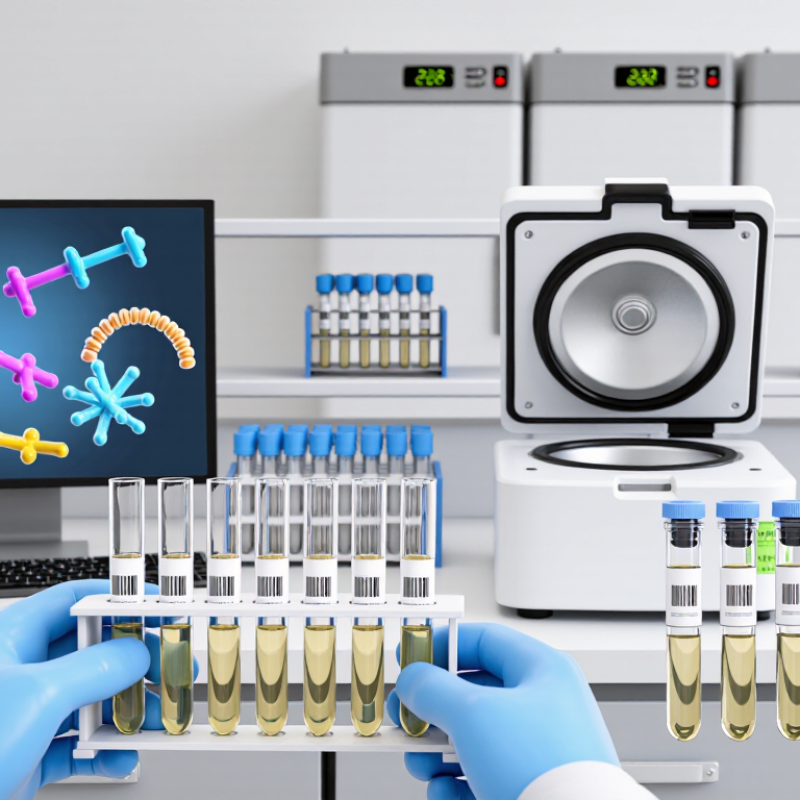
| Quality-control and preanalytical metadata Required layer Data integrity | Verification that biomarker results are interpretable, reproducible, and suitable for cross-site or longitudinal comparison. | Record collection date and time, fasting status where relevant, tube type, processing delay, centrifugation protocol, aliquot history, storage temperature, freeze–thaw count, and deviations. | Include internal QC levels, calibration status, reagent or lot identifiers, instrument status, run acceptance rules, duplicate or replicate policy, and operator or laboratory identifiers using coded values. | Use documented SOPs, predefined acceptance criteria, proficiency or external-quality assessment where available, deviation management, corrective actions, and version-controlled assay documentation. | Supports GCP-compliant trial conduct, data integrity, inspection readiness, and defensible interpretation. Analytical validity and clinical validity remain separate evidence requirements. | Use standardized controlled terminology, ISO 8601 timestamps, persistent sample identifiers, provenance links, machine-readable units, explicit missingness codes, and immutable audit records. | Mandatory |




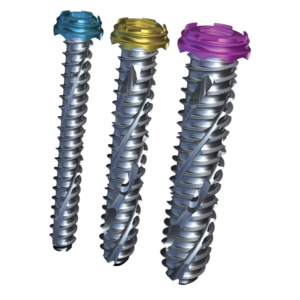

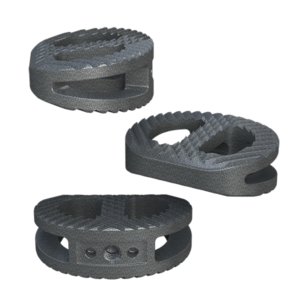 System Features
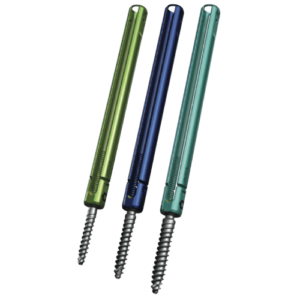 Key Features
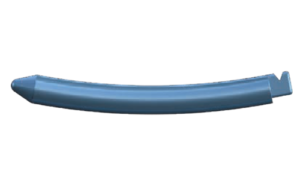 Key Features
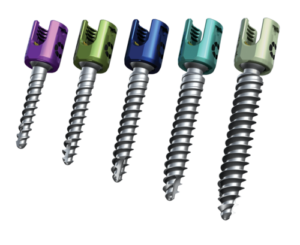 Key Features
 Key Features
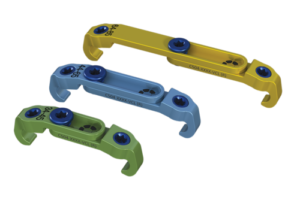 Key Features
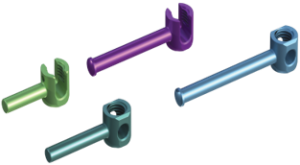 Key Features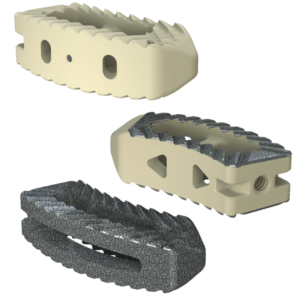
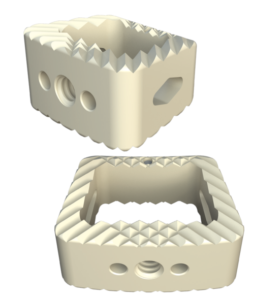 Key Features
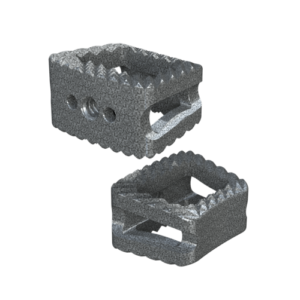 Key Features
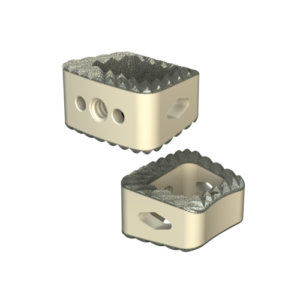 Key Features