| Material identity | The product should be clearly identified as calcium alpha-ketoglutarate, with the exact chemical form, hydration state, and intended use stated in the specification. | Confirm identity using at least two orthogonal techniques, such as FTIR together with HPLC, ion chromatography, or elemental analysis. | Product specification, representative certificate of analysis, test method, and an identification chromatogram or spectrum. | The supplier gives only a trade name or “AKG” description without defining the calcium salt or test method. |
| Assay and purity | Set a written, lot-release assay specification before purchasing. A practical buyer-defined target is commonly at least 98.0% on the stated basis, subject to validated method and product form. | Use a validated, stability-indicating quantitative method. The basis of calculation must state whether results are reported as-is, dry basis, or active-equivalent basis. | Finished-product specification, validated method summary, actual numerical result, reporting basis, and chromatographic data for the lot. | “99% purity” is shown without units, calculation basis, chromatogram, or independent laboratory confirmation. |
| Calcium content | Define an acceptable calcium range based on the declared molecular form and theoretical composition; do not use a generic range for every calcium AKG grade. | Verify by ICP-OES, ICP-MS, or another validated elemental method. Compare the result with the theoretical value for the declared form. | Elemental-analysis report, calculation of theoretical calcium percentage, and method validation or suitability information. | The calcium result is inconsistent with the declared form, suggesting substitution, blending, or incorrect labeling. |
| Moisture and loss on drying | Specify a moisture limit appropriate for powder stability and handling; a buyer-defined limit of not more than 5.0% is a common starting point, subject to stability data. | Use Karl Fischer titration when water-specific measurement is required, or a validated loss-on-drying procedure when appropriate. | Moisture result, test temperature and time, method reference, packaging specification, and storage conditions. | High moisture, caking, unexplained weight loss, or no distinction between water content and volatile matter. |
| Residual solvents | Residual solvents should comply with the applicable risk-based limits for the intended market and manufacturing route. | Evaluate against ICH Q3C residual-solvent principles using a validated headspace GC method where relevant. | Solvent-use declaration, residual-solvent test report, method details, and investigation records for any out-of-specification result. | A “solvent-free” claim is made without process information or analytical evidence. |
| Heavy metals and elemental impurities | Set limits according to the finished-use exposure, target market, and applicable regulations rather than relying only on a general “heavy metals pass” statement. | Use ICP-MS or ICP-OES with a defined panel, typically including lead, cadmium, arsenic, and mercury. Apply ICH Q3D concepts when relevant to the finished product. | Quantitative results for each element, detection limits, sample preparation, laboratory accreditation, and risk assessment. | Only a combined “heavy metals” number is reported, with no individual element results or detection limits. |
| Microbiological quality | Define total aerobic microbial count, total yeast and mold count, and absence or limits for specified pathogens according to product category and destination-market requirements. | Use recognized compendial or validated methods, such as USP <61> and USP <62> where applicable. Requirements must reflect the intended dosage form. | Full microbiological certificate of analysis, sampling plan, laboratory method, pathogen results, and environmental-monitoring summary. | The report states only “microbiologically clean” or omits pathogen-specific results. |
| Foreign matter and adulteration | Require controls for undeclared fillers, alternate calcium salts, excess inorganic materials, and cross-contamination from other production lines. | Combine identity testing, assay, calcium analysis, microscopy where justified, and targeted contaminant or adulterant screening based on the supply-chain risk assessment. | Raw-material risk assessment, allergen statement, cross-contamination controls, change-control procedure, and complaint history. | The supplier refuses to disclose excipients, processing aids, or shared-equipment controls. |
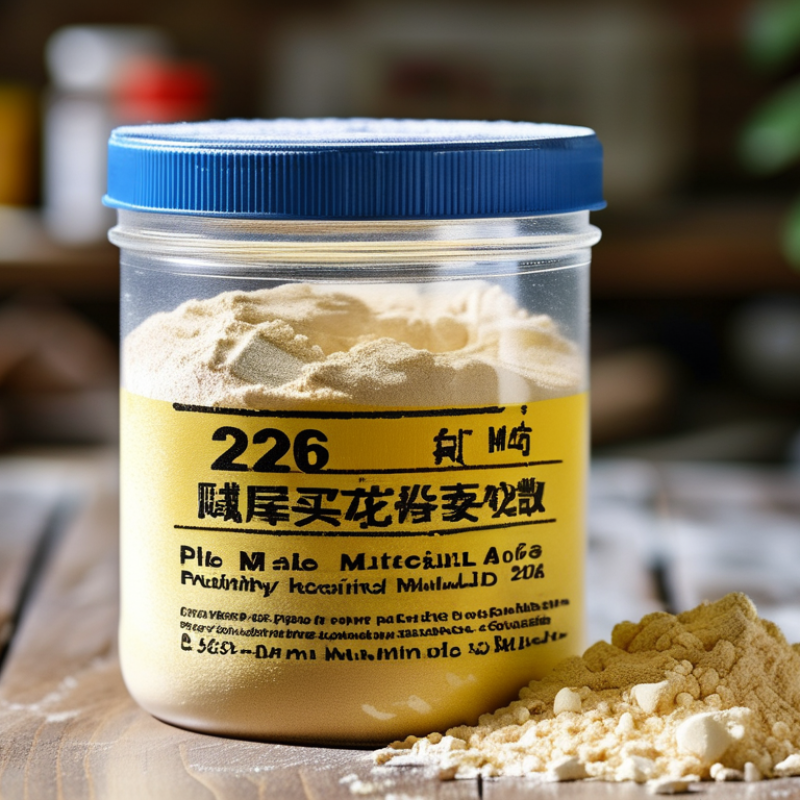
| Particle size and physical properties | Specify particle-size distribution, bulk density, flow behavior, color, odor, and solubility or dispersibility when these affect blending and filling. | Use a defined sieve or laser-diffraction method and maintain consistent sampling procedures. Physical parameters are process requirements, not proof of chemical purity. | Particle-size distribution, bulk and tapped density, appearance specification, and representative sample photographs if needed. | Large variation between lots, severe caking, or a physical profile that differs from the approved sample. |
| GMP manufacturing controls | Source from a facility operating under documented GMP controls suitable for the intended dietary-supplement, food, or pharmaceutical supply chain. | Review current third-party audit evidence and quality-system procedures covering batch records, deviations, CAPA, change control, sanitation, and complaint handling. | GMP certificate or audit report, scope and expiry date, quality manual summary, CAPA process, and recent inspection findings where available. | A certificate is supplied without scope, site address, issuing body, validity dates, or verification route. |
| Laboratory competence | Use qualified internal laboratories or independent laboratories with documented competence for the specific methods used. | Prefer ISO/IEC 17025-accredited testing for applicable chemical and microbiological methods, while confirming that the accreditation scope covers the test. | Accreditation certificate, laboratory scope, method numbers, raw-data availability, analyst approval, and instrument calibration records. | The laboratory is described as “certified” but no accreditation scope or method-specific evidence is available. |
| Certificate of analysis quality | Each shipment should include a lot-specific certificate rather than a generic or evergreen certificate. | Cross-check lot number, manufacture date, retest or expiry date, specification limits, actual results, units, methods, and approval signature. | Original lot certificate, approved specification, test-method references, and confirmation that the sample tested represents the shipped lot. | Identical numerical results appear on every lot certificate or the certificate contains only pass/fail statements. |
| Traceability | Maintain one-step-back and one-step-forward traceability from incoming raw materials through manufacturing, packaging, release, shipment, and customer receipt. | Conduct a documented mock recall and verify that all material movements can be reconstructed by lot number within a defined time. | Batch genealogy, raw-material lot links, packaging records, warehouse logs, shipping documents, and mock-recall results. | The supplier cannot connect the finished lot to raw-material lots, processing dates, or shipment records. |
| Packaging and storage | Use sealed, food-contact or pharmaceutical-appropriate packaging as required, with protection from moisture, heat, light, and contamination. | Review packaging specifications, seal-integrity controls, transport conditions, and stability or retest data supporting the proposed shelf life. | Packaging material declaration, label details, storage instructions, stability summary, and transport qualification records. | Unsealed bags, damaged liners, missing lot codes, or shelf-life claims unsupported by stability information. |
| Regulatory and market fit | Confirm that the ingredient, labeling, claims, dosage, and intended use comply with the regulations of the destination market; acceptance in one market does not guarantee acceptance in another. | Perform a documented regulatory review covering ingredient status, contaminant limits, labeling, import controls, and any required notifications. | Regulatory statement, intended-use declaration, allergen and GMO statements where relevant, safety data, and import documentation. | The supplier promises universal compliance without identifying the destination market or product category. |
| Pre-shipment qualification | Approve the supplier only after review of documents, a representative sample, independent testing, packaging inspection, and a written quality agreement. | Compare independent test results with the supplier certificate and investigate any material discrepancy before bulk release. | Approved sample record, independent laboratory report, supplier questionnaire, quality agreement, and incoming-testing plan. | Pressure to place a large order before sample approval, quality review, or contract-defined acceptance criteria. |




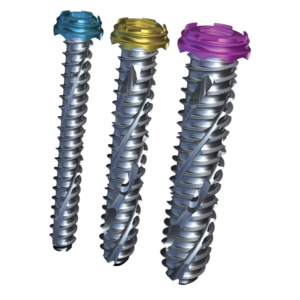

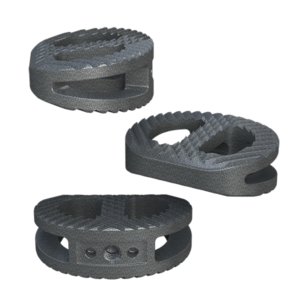 System Features
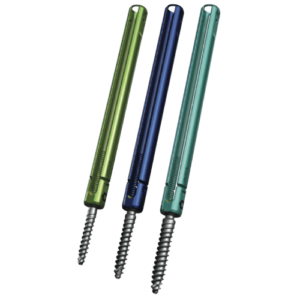 Key Features
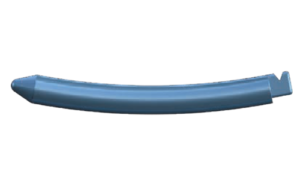 Key Features
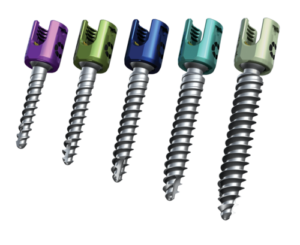 Key Features
 Key Features
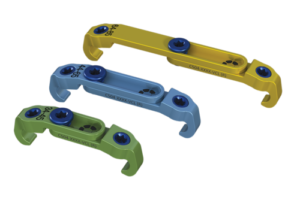 Key Features
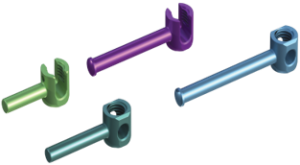 Key Features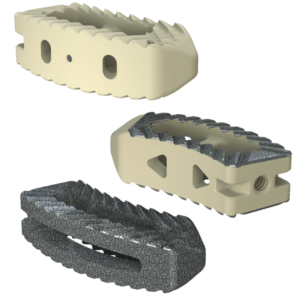
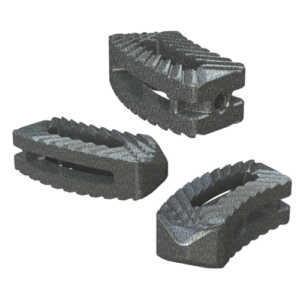
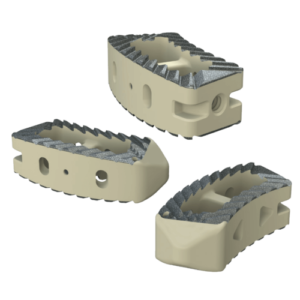
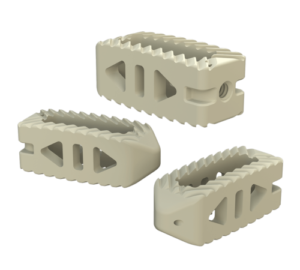
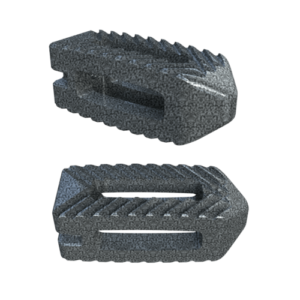
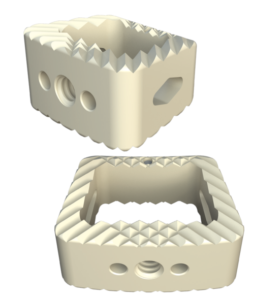 Key Features
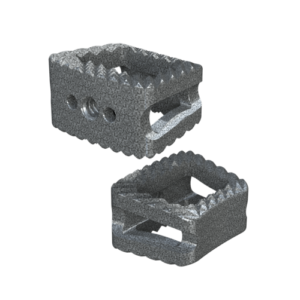 Key Features
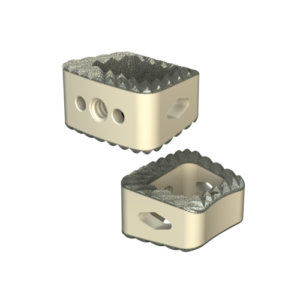 Key Features