Top Sleep Monitoring Technology Trends in 2026 What to Expect?

The landscape of Sleep Monitoring Technology is evolving rapidly. By 2026, advancements will significantly shape how individuals track and improve their sleep quality. According to a report by Grand View Research, the global sleep tech market will reach USD 14.3 billion by 2026. This growth highlights the increasing focus on health and well-being.

Innovative devices and applications are at the forefront of this trend. Consumers are increasingly relying on smartwatches and sleep tracking apps that use advanced algorithms. These technologies analyze sleep patterns and provide insights to enhance sleep quality. However, while the technology promises precision, its effectiveness can vary. Users often report inconsistencies in data accuracy.

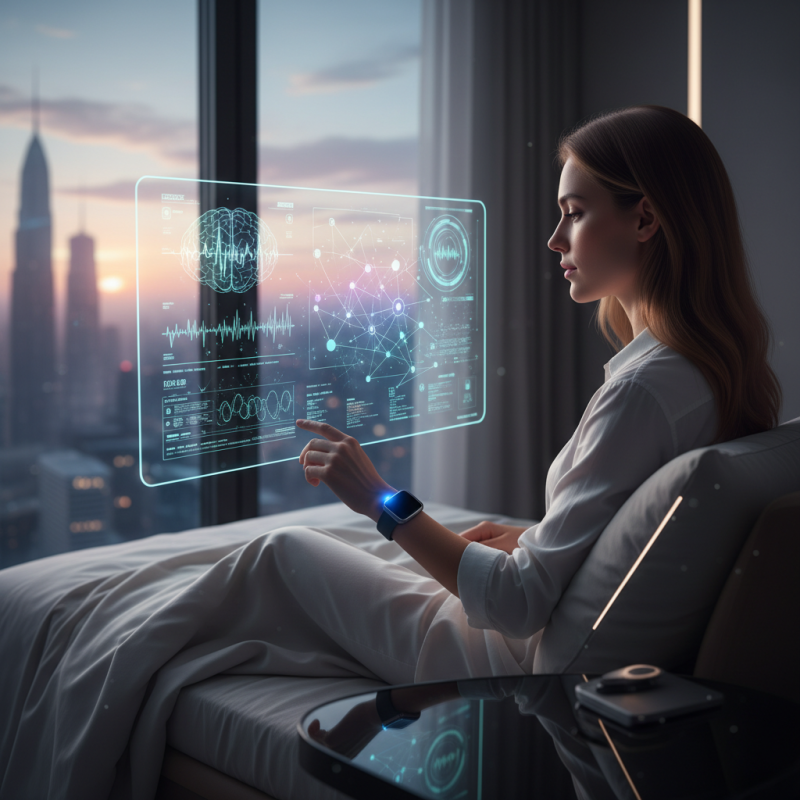
Looking ahead, Sleep Monitoring Technology will likely integrate artificial intelligence and machine learning. This integration may lead to personalized recommendations. Yet, the reality is that not all users understand the complexity behind these algorithms. As we embrace these technologies, critical reflection on their reliability is essential. Balancing innovation with informed usage will be crucial for achieving better sleep health in the future.

Top Sleep Monitoring Technology Trends in 2026 What to Expect?

Emerging Wearable Technologies for Sleep Tracking in 2026

Emerging wearable technologies in sleep tracking are rapidly evolving. By 2026, the market is expected to reach over $8 billion, reflecting a strong demand for personalized health insights. Smartwatches, sleep masks, and smart fabrics are leading this trend. Notably, smart fabrics equipped with sensors will provide real-time data on sleep quality and patterns. This innovation enhances comfort and offers insights that static devices cannot.

Recent studies indicate that 70% of adults report sleep issues. Wearable devices can address this by analyzing biometric signals like heart rate variability and movement patterns. For instance, a report from the American Sleep Association highlights how technology can aid in diagnosing sleep disorders. Users can interpret data regarding sleep stages, helping them understand their sleep better.

However, there’s room for reflection. Data accuracy in wearables often varies. Users may rely too heavily on device feedback without consulting healthcare professionals. This reliance can lead to misinterpretation of data. As technology advances, wearable developers must focus on enhancing reliability and user education. Addressing these gaps will be crucial for improving sleep health through wearables.

Innovative Non-Invasive Sleep Monitoring Solutions

The future of sleep monitoring is transforming. Innovative non-invasive solutions are leading the way in 2026. These technologies aim to improve how we understand sleep patterns. They minimize discomfort while maximizing data accuracy. Devices like smart glasses and advanced wearables are emerging. They track sleep stages without hindering natural rest.

Non-invasive options offer comfort. They rely on sensors that monitor heart rate, breathing, and movement. This data provides insights into sleep quality. As these devices evolve, they may become more precise. However, the challenge remains in balancing accuracy with user experience. It's essential to consider how technology interacts with human habits.

Users may be excited but cautious. How do these devices affect natural sleep? Privacy concerns arise, too. As monitoring becomes more integrated, ethical considerations must be at the forefront. Awareness of potential drawbacks is crucial. Despite advancements, reflections on the impact of constant tracking are necessary. Striking a balance between innovation and personal well-being will define the future.

Top Sleep Monitoring Technology Trends in 2026 What to Expect?

Trend Description Expected Impact User Demographic
AI-Driven Insights Utilization of AI to analyze sleep patterns and provide personalized recommendations. Improved sleep quality and better health management. Health-conscious individuals, ages 25-45.
Wearable Technology Advancements in smartwatches and fitness bands for sleep tracking. Greater accessibility to sleep data for everyday users. Tech-savvy individuals, ages 18-35.
Non-Invasive Monitoring Innovative sensors that provide data without physical contact. Increased comfort and ease of monitoring sleep. Older adults and those sensitive to traditional monitoring methods.
Sleep Environment Optimization Technologies that create ideal sleep settings, including smart lighting and climate control. Enhanced sleep experience leading to restorative rest. Homeowners and renters looking to improve sleep quality.
Integration with Health Platforms Linking sleep data with broader health tracking applications. Holistic understanding of health, boosting proactive care. Health enthusiasts and chronic illness patients.

AI and Machine Learning: Transforming Sleep Data Analysis

The future of sleep monitoring is being reshaped by AI and machine learning, creating smarter and more effective ways to analyze sleep data. Research indicates that over 70% of individuals suffer from sleep-related issues, yet many remain unaware of their sleep patterns. AI technologies are now capable of sifting through vast amounts of sleep data, uncovering insights that traditional methods often miss. This transformation is crucial as it enables personalized sleep solutions tailored to individual needs.

One compelling trend is the use of wearable devices that employ machine learning algorithms. These gadgets can learn from user data, adapting recommendations based on sleep habits. According to a recent industry report, the global sleep technology market is projected to reach $112 billion by 2026, emphasizing the demand for innovative sleep solutions. Users may find their sleeping patterns assessed in real-time, helping them adjust habits for improved quality.

Tip: To enhance your sleep quality, consider maintaining a consistent bedtime routine. Creating a calming pre-sleep ritual can significantly impact your ability to fall asleep. Additionally, tracking your sleep with an AI-enabled device can provide insights that reveal patterns in your rest, helping you make necessary adjustments as you learn what works best for you. Also, remember that consistency in sleep duration is key, as irregular sleeping patterns can lead to long-term health issues.

Integration of Sleep Monitoring with Smart Home Devices

In 2026, sleep monitoring technology will likely evolve significantly, especially with smart home devices. The integration of these technologies aims to create a more holistic approach to sleep health. Picture your bedroom environment responding to your sleep patterns. The temperature might adjust automatically to ensure a comfortable night’s sleep. Smart lighting can gradually dim, promoting relaxation as you prepare for sleep.

To enhance your experience, consider these tips: ensure your smart home devices are connected to your sleep monitor. This connection allows for real-time adjustments based on your needs. Also, track your sleep data over time. Understanding patterns can provide insights into how your environment affects your rest. Small changes, like eliminating blue light from screens, can drastically improve sleep quality.

However, while embracing these technologies, it’s essential to remain critical. Not every gadget may be beneficial. Some devices may disrupt rather than enhance your sleep. Regular reflection on your sleep hygiene will help you maintain an optimal environment. Over-reliance on tech could lead to neglecting simpler sleep practices. Balance is vital in the pursuit of better sleep health.

Top Sleep Monitoring Technology Trends in 2026

This chart illustrates the expected integration of sleep monitoring technologies with smart home devices over the next few years. The data represents projected user adoption rates of these technologies, showcasing the rising trend in health-oriented smart home solutions.

Future Trends in Sleep Health: Personalized Recommendations and Insights

In 2026, the future of sleep monitoring is leaning towards personalized recommendations. Advanced algorithms will process individual sleep data. This means tailored insights that consider lifestyle habits, health conditions, and personal preferences. Users can expect suggestions that fit their unique sleep patterns. Wearable devices will become smarter, offering real-time adjustments based on sleep cycles.

Maintaining a healthy sleep schedule is crucial. Tip: Create a sleep environment that suits you. Dim lights and a cool room can enhance sleep quality. Keeping a consistent bedtime helps regulate your body's internal clock.

Moreover, emerging technologies will track more than just hours of sleep. They may analyze factors like heart rate variability and breathing patterns. This deeper analysis might uncover issues like sleep apnea or anxiety. Tip: Consider using meditation or relaxation techniques before bedtime. These practices can prepare your mind for restorative sleep. Reflect on your patterns; are you meeting your sleep goals? Addressing your habits can lead to significant improvements.