Top 10 Reasons to Consult a Spinal Orthopedic Surgeon for Your Back Pain?

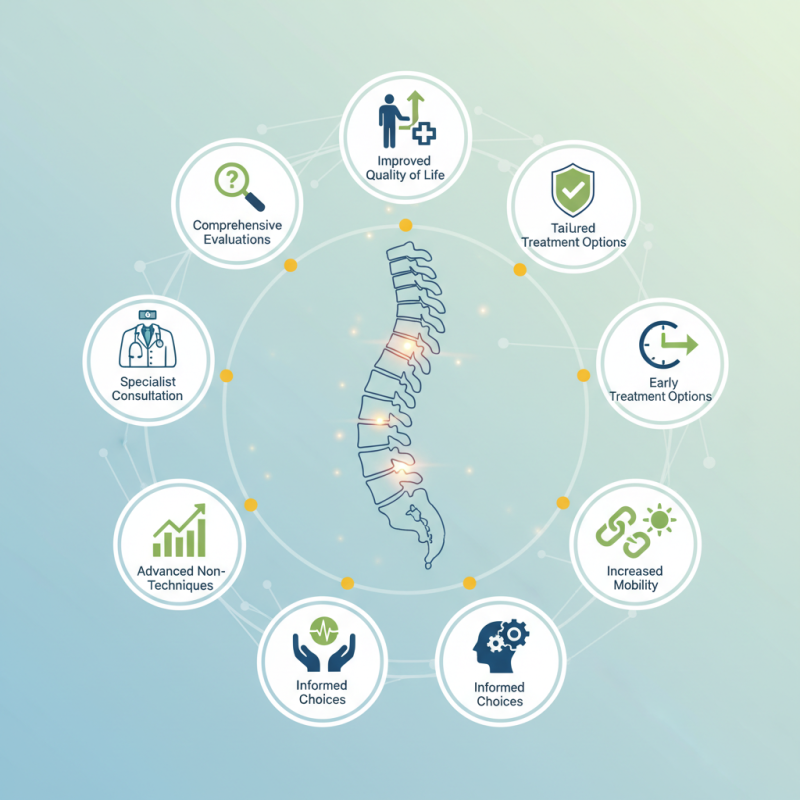
Back pain affects millions worldwide. According to the World Health Organization, it’s a leading cause of disability, impacting both daily life and productivity. For many, the key to relief lies in consulting a spinal orthopedic surgeon. These specialists understand the complexities of spinal disorders and provide tailored treatment options that can improve quality of life.

Dr. Alex Thompson, a renowned spinal orthopedic surgeon, emphasizes the importance of early intervention. He states, "The sooner we address spinal issues, the better the outcomes." This highlights a crucial point; neglecting chronic back pain can lead to worsening conditions. Too often, people wait too long to seek help, which can complicate treatment.

Many individuals fear surgery and choose less effective options instead. However, a spinal orthopedic surgeon can offer advanced, non-invasive techniques to alleviate pain. Comprehensive evaluations and personalized care plans are essential. Working with a specialist ensures patients understand their options and make informed choices for recovery.

Top 10 Reasons to Consult a Spinal Orthopedic Surgeon for Your Back Pain?

Understanding the Role of a Spinal Orthopedic Surgeon in Back Pain Management

Back pain can be debilitating. Consulting a spinal orthopedic surgeon is often a wise step. These specialists focus on your spine's structure and function. They evaluate your condition thoroughly. Sometimes, X-rays or MRIs are necessary for a clearer picture. Their expertise can lead to effective treatment plans tailored to you.

A spinal orthopedic surgeon uses both surgical and non-surgical methods to manage pain. They may recommend physical therapy to strengthen your back. In some cases, injections offer quick relief. When conservative treatments fail, surgery might be an option. This could include decompression or fusion procedures. It’s essential to discuss all possible outcomes with your surgeon.

Many people overlook the importance of this specialist. They might think that back pain will resolve itself over time. However, delays can lead to further complications. Getting timely advice may prevent more severe issues. It's essential to reflect on the choices we make regarding our health. Seeing a specialist can be a turning point in your recovery journey.

Top 10 Reasons to Consult a Spinal Orthopedic Surgeon for Your Back Pain

Reason Description
Expert Diagnosis Receive a thorough evaluation and accurate diagnosis of your back pain.
Personalized Treatment Plan Get a customized treatment strategy tailored to your specific condition.
Advanced Imaging Techniques Utilize the latest imaging technologies for better visualization of spinal issues.
Surgical Expertise Access to skilled surgeons specialized in spinal surgeries when necessary.
Minimally Invasive Options Explore minimally invasive procedures that can reduce recovery time.
Holistic Approach Receive care that considers your overall health and wellness.
Rehabilitation Support Benefit from coordinated rehabilitation services for optimal recovery.
Access to Research and Trials Stay informed about the latest research and potential clinical trials.
Long-Term Management Strategies Learn strategies for long-term management and prevention of back pain.
Patient Education Receive valuable information about your condition and treatment options.

The Prevalence of Back Pain: Why Professional Consultation Matters

Top 10 Reasons to Consult a Spinal Orthopedic Surgeon for Your Back Pain?

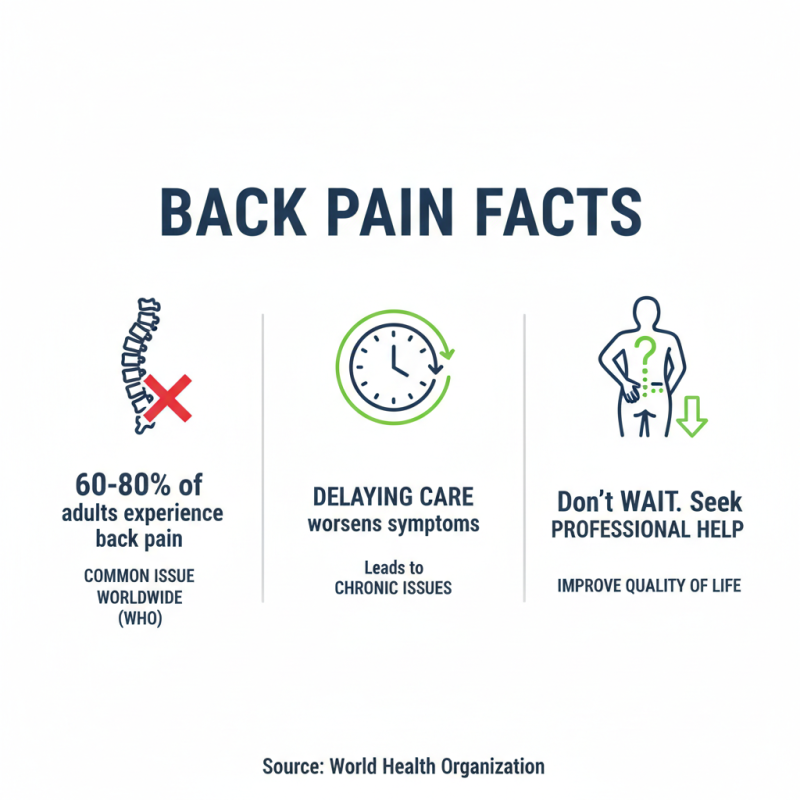
Back pain is a common issue faced by many. According to the World Health Organization, around 60-80% of adults experience back pain at some point in their lives. This staggering statistic highlights the significance of addressing spinal health. Many individuals delay seeking professional help, often believing the pain will resolve itself. However, this can lead to worsening symptoms, chronic issues, and diminished quality of life.

Consulting a spinal orthopedic surgeon can provide essential insights into your condition. A study published in the journal Spine indicates that early intervention can prevent long-term disability. Moreover, advanced imaging techniques allow surgeons to accurately diagnose the problem. Many patients do not realize that minor issues can escalate into severe pain if ignored. Professional assessment ensures that appropriate treatment plans are implemented promptly.

It’s important to recognize that every back pain case is unique. What works for one person may not work for another. Some patients might find relief with conservative treatments, while others require surgical solutions. A lack of understanding can lead to frustration and prolonged suffering. Seeking professional guidance is a crucial step in finding the right path toward recovery. Ignoring persistent pain can result in unforeseen complications and a decrease in overall well-being.

Common Causes of Back Pain Requiring Surgical Expertise

Back pain is a widespread issue, affecting around 80% of adults at some point in their lives. Common causes include herniated discs, spinal stenosis, and degenerative disc disease. These conditions often lead to debilitating pain, impacting daily activities. A spinal orthopedic surgeon specializes in diagnosing these issues and determining the most effective treatments.

Herniated discs occur when the soft cushion between the vertebrae slips out of place. This can press on nerves, causing sharp pain or numbness. Research indicates that this condition is responsible for 25% of all back pain cases.

Spinal stenosis, another prevalent cause, narrows the spinal canal. Data shows it affects 8-10% of people aged over 60. Patients often feel weakness in their legs or back, which can limit mobility.

Degenerative disc disease happens as discs wear down with age. Studies show that 40% of people over 40 experience some level of degeneration. Not all back pain requires surgery, yet early consultation with an orthopedic specialist is crucial. In many cases, they can provide non-surgical options. However, if symptoms persist, surgical intervention might become necessary.

Assessment and Diagnosis: What to Expect During Your Consultation

Top 10 Reasons to Consult a Spinal Orthopedic Surgeon for Your Back Pain?

When you consult a spinal orthopedic surgeon for your back pain, you'll undergo a thorough assessment. Expect to answer questions about your symptoms. How long have you had the pain? Does it radiate to your legs? These details will help the surgeon understand your condition. You'll likely be asked to describe the pain’s intensity and frequency as well.

During the evaluation, the surgeon might perform a physical examination. They examine your spine, check for tenderness, and assess your range of motion. You may be asked to bend or lift your legs. This process can feel a bit uncomfortable, but it’s important. Imaging tests, like X-rays or MRIs, may follow. These provide a clearer view of your spine and help identify any underlying issues.

It's important to remember that every patient is different. What works for one may not work for another. Take the time to reflect on your experiences. Are you open about your fears? Share your concerns with the surgeon. This openness can lead to a better understanding of your treatment options. Each step of the consultation can guide you toward effective solutions for your back pain.

Treatment Options Offered by Spinal Orthopedic Surgeons for Back Pain

Back pain is a common issue faced by many. Consulting a spinal orthopedic surgeon can provide various treatment options tailored to individual needs. Surgical interventions can range from minimally invasive procedures to complex surgeries. According to a report by the American Academy of Orthopaedic Surgeons, spinal surgery can significantly reduce pain and improve quality of life in patients with chronic back issues.

Non-surgical treatments are often the first step before considering surgery. Physical therapy, medications, and injections may relieve pain and improve function. A study published in the Journal of Orthopaedic Research showed that 70% of patients saw improvements with these conservative methods. However, not all patients respond positively. It’s crucial to have an open conversation with your surgeon about your specific condition.

Tip: Keep a pain diary. Document when your back pain occurs and its severity. This information can help your surgeon determine the best treatment approach.

Tip: Don’t rush into surgery. Weigh the risks and benefits carefully. Pain management is as important as surgical intervention.

Spinal orthopedic surgeons are equipped to personalize treatment plans. They consider various factors like age, activity level, and overall health. It’s important to ask questions and engage in the decision-making process actively. Your well-being depends on it.

Top 10 Reasons to Consult a Spinal Orthopedic Surgeon for Your Back Pain