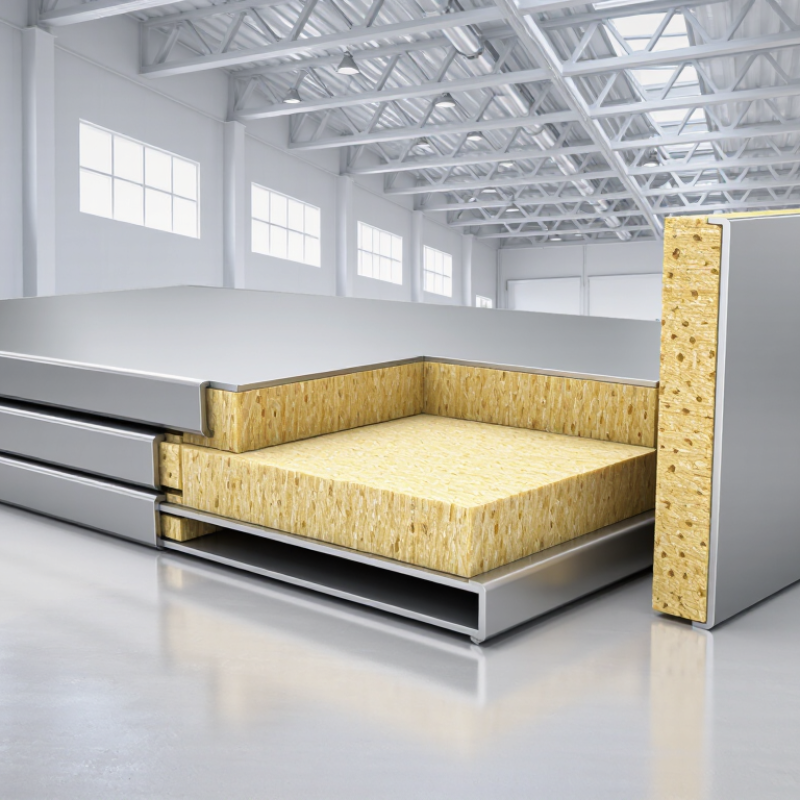
| Basic Construction | Two rigid facings with a polyurethane foam core | The facings protect the core and provide tensile and bending support, while the foam core separates the skins and contributes insulation and shear strength. |
| Core Material | Rigid polyurethane foam, commonly abbreviated as PU or PUR | The closed-cell foam contains gas-filled cells that reduce heat transfer and provide a lightweight structural core. |
| Common Facing Materials | Pre-painted or galvanized steel, aluminum, stainless steel, plywood, or cement-based sheets | The facing is selected according to corrosion resistance, appearance, hygiene, impact resistance, fire requirements, and structural loading. |
| Main Chemical Components | Polyol blend, isocyanate, blowing agent, catalysts, surfactants, and selected additives | Polyol and isocyanate react to form polyurethane. Catalysts control reaction speed, surfactants stabilize the cellular structure, and blowing agents create the foam cells. |
| Foam-Forming Reaction | Exothermic polymerization and gas generation | When the liquid components are mixed, they react, expand, and cure. The expanding foam bonds to the facings and fills the panel cavity. |
| Cell Structure | Predominantly closed-cell structure | Closed cells limit moisture movement and air circulation through the core, supporting low thermal conductivity and good dimensional stability. |
| Typical Core Density | Approximately 35–45 kg/m³ for many building panels | Actual density depends on the product design, thickness, production method, and required mechanical or thermal performance. |
| Thermal Conductivity | Approximately 0.020–0.028 W/(m·K) for the foam core | Lower values indicate better insulation. The declared performance of a finished panel also depends on joints, facings, aging, temperature, and moisture conditions. |
| Typical Panel Thickness | Commonly about 30–200 mm | Thicker panels generally provide greater thermal resistance. The appropriate thickness is determined by climate, indoor conditions, energy targets, and building regulations. |
| Approximate Thermal Resistance | About 1.8–8.0 m²·K/W for 40–200 mm of foam, before allowance for joints and surface effects | A simplified estimate uses R ≈ thickness ÷ thermal conductivity. The calculated value should not replace a certified declared or design value. |
| Manufacturing Method: Continuous Line | Continuous double-belt or laminating production | Coils are unwound, profiled or coated, the chemical mixture is deposited, and the expanding assembly passes through a controlled press before cutting to length. |
| Manufacturing Method: Discontinuous Press | Batch panel production in a heated or controlled press | Pre-cut facings are assembled with reacting polyurethane, placed in a mold or press, and held until the core reaches sufficient cure and dimensional stability. |
| Key Production Steps | Facing preparation → component metering → mixing → foaming → pressing → curing → trimming → inspection | Accurate metering, uniform mixing, controlled temperature, correct press pressure, and adequate curing are essential for consistent bonding and thickness. |
| Adhesion Mechanism | Chemical and mechanical bonding between foam and facings | The reacting polyurethane wets the facing surface and develops adhesion as it expands and cures. Surface cleanliness and compatibility strongly affect bond quality. |
| How Heat Transfer Is Reduced | Low-conductivity gas-filled cells and limited internal convection | The fine closed-cell structure interrupts solid conduction and air movement, while the panel thickness increases the length of the heat-flow path. |
| Structural Behavior | Composite, stressed-skin action | The facings carry much of the tensile and compressive bending stress, and the bonded foam core transfers shear while stabilizing the skins against buckling. |
| Moisture Performance | Generally low water absorption compared with open-cell insulation | The closed-cell core resists liquid water penetration, but panel joints, cut edges, fasteners, damaged coatings, and condensation must still be properly detailed. |
| Air and Vapor Control | Dependent on facings, joint design, seals, and installation quality | A panel core alone does not guarantee an airtight or vapor-tight enclosure. Seams, penetrations, corners, and connections require compatible sealing systems. |
| Dimensional Stability | Good when properly manufactured and installed; affected by temperature and aging | Thermal cycling, long-term foam aging, differential movement between facings, and inadequate support can influence flatness and joint performance. |
| Fire Performance | Product-specific; must be verified by the applicable fire classification or test report | Polyurethane is an organic polymer and can contribute fuel when exposed to fire. Performance depends on formulation, facing type, thickness, joints, and the complete assembly. |
| Typical Applications | Cold rooms, refrigerated buildings, warehouses, factories, roofs, walls, and controlled-environment spaces | Applications are selected for rapid enclosure, thermal insulation, hygienic surfaces, lightweight construction, and reduced on-site installation time. |
| Installation Requirements | Aligned supports, appropriate fasteners, sealed joints, protected cut edges, and controlled tolerances | Correct installation prevents thermal bridging, air leakage, water ingress, panel damage, and excessive stress at connections. |
| Advantages | High insulation efficiency, low weight, factory-controlled quality, and fast installation | The integrated composite design can reduce wall or roof thickness compared with some lower-performance insulation systems while providing a finished surface. |
| Limitations | Fire-design constraints, facing damage risk, joint sensitivity, and limited tolerance for poor detailing | Performance depends on the complete panel assembly. Improper cutting, unsupported spans, incompatible sealants, or unprotected edges can reduce service life. |
| Quality-Control Checks | Dimensions, density, thickness, flatness, facing condition, bond strength, thermal properties, and visual defects | Testing and inspection help confirm that the finished panels meet specified manufacturing tolerances and declared performance requirements. |
| End-of-Life Consideration | Reuse, material separation, recovery, or regulated disposal where available | The bonded composite structure can make separation more difficult. End-of-life options depend on local facilities, panel condition, facing materials, and applicable regulations. |




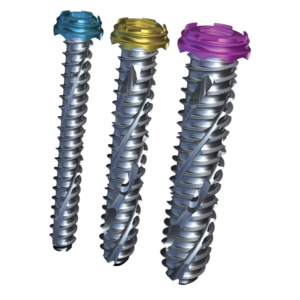

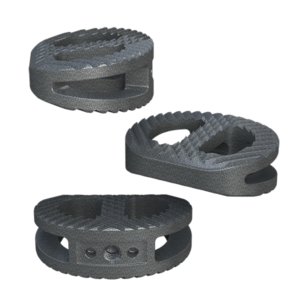 System Features
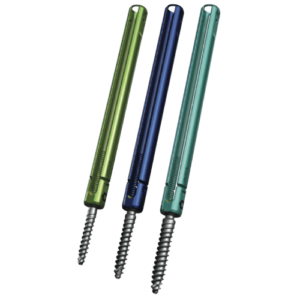 Key Features
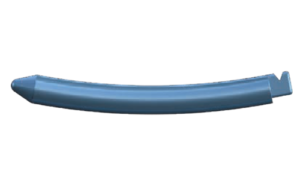 Key Features
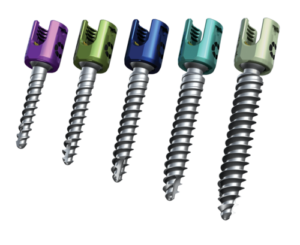 Key Features
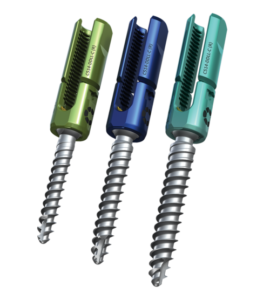 Key Features
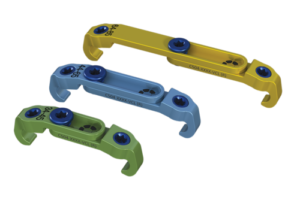 Key Features
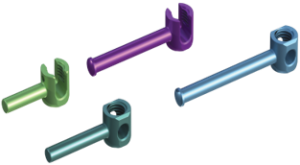 Key Features
 Key Features
 Key Features
 Key Features