2026 How to Prepare for Lumbar Interbody Fusion Surgery?

Lumbar interbody fusion is a common procedure for spinal issues. The goal is to stabilize the spine and relieve pain. Patients often feel anxious before surgery. Proper preparation can ease these worries and lead to better outcomes.

Understanding the procedure helps reduce fear. Patients should know what to expect, from the initial consultation to post-operative care. Discussing concerns with doctors can clarify many uncertainties. Gathering information creates a sense of control, which is essential.

Preparing physically and mentally also plays a crucial role. Starting a fitness routine can strengthen the body. Mindfulness exercises can ease anxiety. Support from family and friends makes the journey less daunting. Reflection on personal health goals can also motivate patients to engage more actively in their recovery.

2026 How to Prepare for Lumbar Interbody Fusion Surgery?

What is Lumbar Interbody Fusion Surgery?

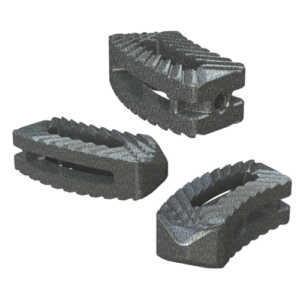
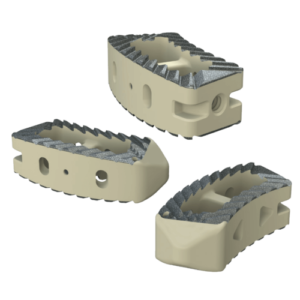
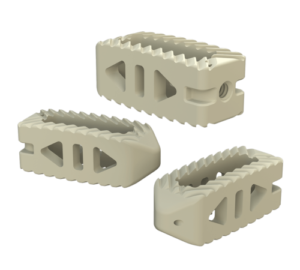
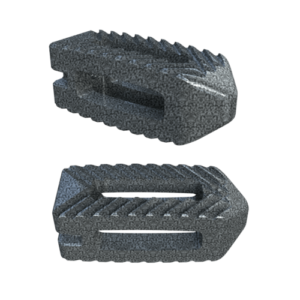
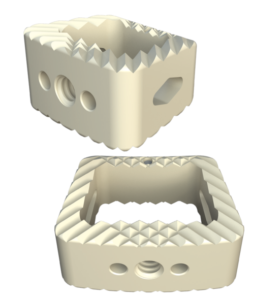
Lumbar interbody fusion (LIF) surgery is a procedure designed to alleviate back pain caused by various spinal conditions. It involves removing a damaged disc and fusing adjacent vertebrae together. According to the North American Spine Society, nearly 600,000 spinal fusion surgeries are performed annually in the United States alone. This statistic highlights the procedure's prevalence in treating degenerative disc disease, spondylolisthesis, and other conditions.

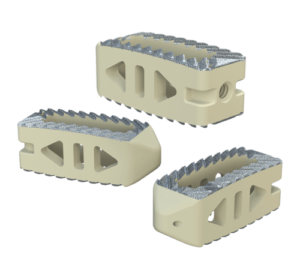
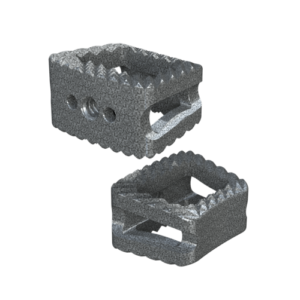
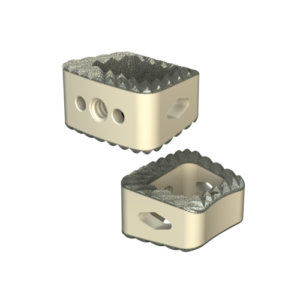
The procedure aims to restore stability and improve mobility in the lower back. Surgeons utilize bone grafts and implants to achieve fusion between vertebrae. The recovery process can take time, and patients may experience pain and discomfort post-surgery. A study published in the Journal of Spinal Disorders observed that about 30% of patients experienced some level of persistent pain 12 months after surgery. This suggests that not all outcomes are ideal, and ongoing pain management may be necessary for many individuals.

Understanding the risks and potential complications is crucial before undergoing LIF surgery. While the majority of patients report significant improvement, some may encounter issues such as infection or nonunion of the bone. These factors can impact mobility and lead to further treatments. Preparing for surgery includes thorough discussions with healthcare providers about expectations and post-operative care, balancing hope with realism about recovery.

Understanding the Reasons for Surgery

2026 How to Prepare for Lumbar Interbody Fusion Surgery?

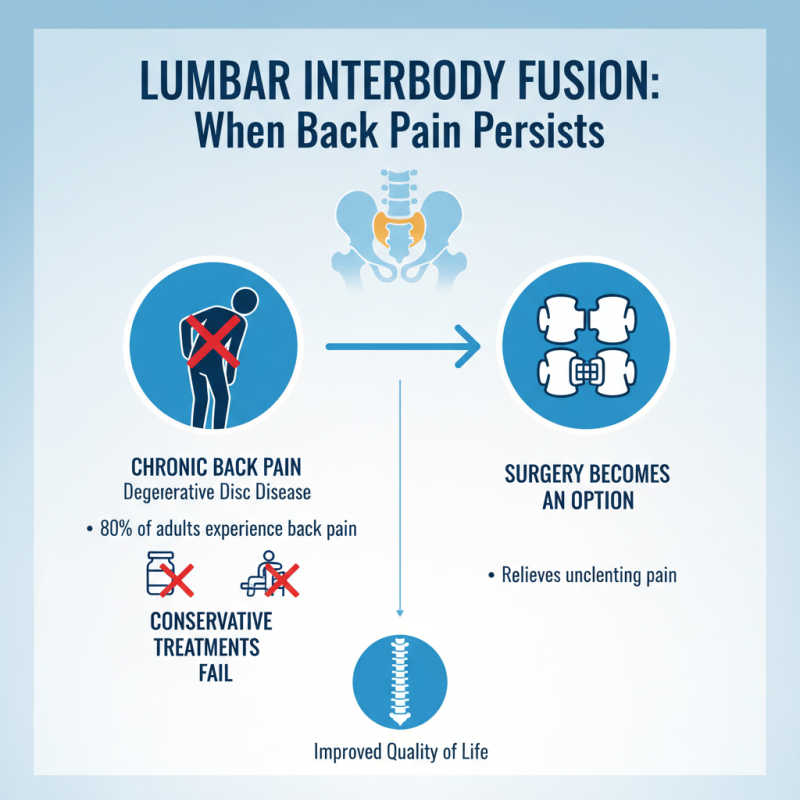
Lumbar interbody fusion surgery can be necessary for various reasons. Many patients suffer from chronic back pain caused by degenerative disc disease. According to the American Academy of Orthopaedic Surgeons, about 80% of adults experience back pain at some point in life. For some, conservative treatments fail. When these options do not relieve pain, surgery becomes a consideration.

Another common reason for this procedure is spinal instability. Injuries or conditions like scoliosis can lead to instability in the spine. A report by the North American Spine Society notes that fusion surgery often resolves instability, helping patients regain mobility. However, the decision to proceed with surgery must be thoughtful. It’s crucial to weigh the risks against potential benefits. Complications such as infection or nerve damage, while infrequent, can occur.

Patients must be educated about their condition. They should understand what surgery entails and what to expect during recovery. Many assume surgery will be a quick fix. This perception can lead to disappointment. Research shows that recovery often takes longer than anticipated. Adjusting expectations may help alleviate anxiety and improve the overall experience. Preparing mentally is as vital as preparing physically for the procedure.

Pre-operative Preparation Steps

2026 How to Prepare for Lumbar Interbody Fusion Surgery?

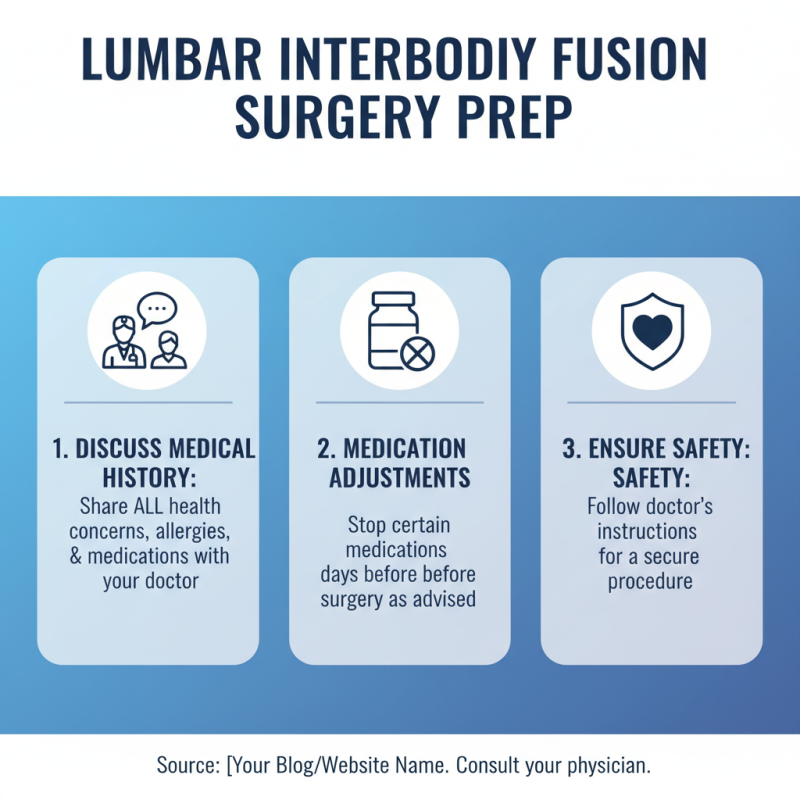
Preparing for lumbar interbody fusion surgery requires careful planning. Start by discussing all medical concerns with your doctor. Make sure to disclose any allergies or medications. This will ensure your safety during the procedure. Often, you may need to stop certain medications days before surgery.

Next, focus on physical preparation. Engage in light exercises if approved by your doctor. Building strength in your core can aid recovery. It’s also important to arrange for post-surgery care. You may need help with daily tasks, especially during the early recovery phase.

Consider your emotional well-being too. Surgery can be stressful and anxiety-inducing. Journaling your thoughts or speaking with loved ones may help. Reflect on any fears you have. It’s okay to feel apprehensive. This process is significant, and being prepared mentally is just as crucial.

Post-operative Care and Rehabilitation

After lumbar interbody fusion surgery, post-operative care is crucial for recovery. Research indicates that 75% of patients report significant pain relief within six months. However, following the right rehabilitation plan can make a difference. Each patient’s recovery journey is unique, and challenges may arise.

Physical therapy often begins within a few days post-surgery. Engaging in gentle exercises helps restore mobility. It’s important to monitor pain levels and discuss any discomfort with a healthcare professional. Maintaining communication can prevent setbacks during recovery.

**Tip:** Focus on gradual movements and listen to your body. Small steps lead to improvement.

Wound care is also vital. Keeping the surgical site clean reduces the risk of infection. Follow all instructions regarding bathing and changing dressings. Patients should pay attention to any signs of complications.

**Tip:** Document any changes or unusual symptoms. Review them with your doctor.

Engaging family or friends in the recovery process can provide emotional support. Reflecting on your physical and mental state is necessary for overall healing. The journey can feel long, but patience is key.

Potential Risks and Complications to Consider

Lumbar interbody fusion surgery is a significant procedure. It carries some potential risks and complications worth discussing. According to a study from the National Institutes of Health, about 5% to 10% of patients experience serious complications post-surgery. These can include infection, nerve damage, or even blood clots.

Infections can develop at the surgical site. Symptoms may include redness, swelling, or fever. The risk increases if the patient has pre-existing conditions like diabetes. Nerve injuries can lead to persistent pain or numbness. While many patients report improvement, some may not achieve the desired outcomes. This uncertainty can be difficult to process.

**Tips:** Communicate openly with your surgeon. Ask about your specific risks based on your health. Consider a second opinion.

Blood clots are another concern. They can form in the legs and may travel to the lungs, causing serious complications. Staying active post-surgery helps minimize this risk. Follow your doctor’s advice on movement. Few guidelines exist to measure long-term success rates, which can be quite disheartening. Each patient's journey is unique. Preparation is key, but awareness of these risks is essential.

2026 How to Prepare for Lumbar Interbody Fusion Surgery? - Potential Risks and Complications to Consider

Aspect Details
Pre-Surgery Preparation Consultation with the surgeon, medical history review, imaging studies (MRI/CT scans), blood tests.
Potential Risks Infection, blood clots, nerve damage, adverse reactions to anesthesia.
Complications Non-healing of bone graft, adjacent segment degeneration, persistent pain.
Post-Operative Care Physical therapy, pain management, activity restrictions, follow-up appointments.
Long-term Outcomes Improved mobility, reduced pain, potential for increased stability in the spine.