| Biopharmaceutical and pharmaceutical liquids | Clarification or sterilizing-grade filtration of compatible process liquids, buffers, and selected product solutions. | About 0.2 or 0.22 µm for sterilizing-grade filtration; 0.45 µm is often used for clarification. | Hydrophilic PES can provide high liquid flow and relatively low binding of many proteins compared with some membrane materials. Suitability must be confirmed for the specific fluid and process. | Cartridge, capsule, or disc filter |
| Cell culture media and laboratory solutions | Filtration of prepared media, aqueous reagents, and other heat-sensitive laboratory liquids. | Commonly 0.2 or 0.22 µm for microbial-retentive filtration; larger ratings may be used for prefiltration. | Its water-wettable surface and high flow capacity make PES useful for many aqueous solutions. | Syringe filter, vacuum-filter unit, or bottle-top filter |
| Protein and enzyme solutions | Clarification or filtration of aqueous biological solutions where minimizing product loss is important. | Selected according to the required particle or microorganism retention; 0.2–0.45 µm ratings are common in microfiltration steps. | PES is often chosen for relatively low nonspecific protein binding, although binding varies with the membrane and the solution conditions. | Disc, capsule, or process-scale cartridge |
| Water and wastewater treatment | Microfiltration or ultrafiltration to reduce suspended solids, microorganisms, and other particles from water streams. | Microfiltration pores are commonly in the submicron range; ultrafiltration is often specified by molecular-weight cutoff rather than pore size. | PES can be made as porous membranes for pressure-driven separation. The appropriate grade depends on feed water, cleaning conditions, and the treatment objective. | Hollow-fiber module or flat-sheet membrane |
| Concentration and fractionation of biomolecules | Ultrafiltration for concentrating proteins or retaining larger molecules while water and smaller solutes pass through. | Specified by molecular-weight cutoff (MWCO); the selected cutoff depends on the molecule and process. | PES ultrafiltration membranes are available in a range of cutoff ratings and are used in tangential-flow and other membrane processes. | Flat-sheet cassette, hollow fiber, or laboratory centrifugal device |
| Food and beverage processing | Clarification or microbial reduction of selected aqueous process streams and ingredients. | Often 0.2–0.45 µm for microfiltration applications; the required rating depends on the product and target. | Hydrophilic PES can offer useful flow for aqueous liquids. Food-contact compliance, chemical compatibility, and process validation must be checked for the intended use. | Disc, cartridge, or membrane module |
| Analytical and quality-control testing | Sample clarification before chromatography, spectroscopy, or other laboratory analysis. | Commonly 0.2 or 0.45 µm, selected according to the analysis and sample characteristics. | PES is available in low-binding options and can be suitable for many aqueous samples; compatibility with solvents and analytes should be verified. | Syringe filter or disc filter |
| Vent and gas filtration | Air or gas filtration in vents and process equipment, typically using a membrane designed for gas service. | Rating depends on the required retention and the validated application. | PES membranes can be manufactured for gas filtration, but wetting, pressure limits, and sterilization requirements are product-specific. | Vent Filter, capsule, or cartridge |




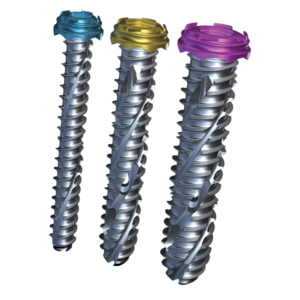

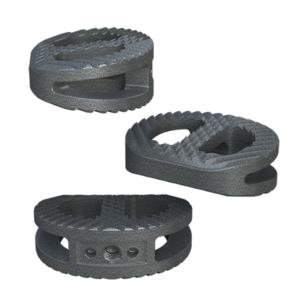 System Features
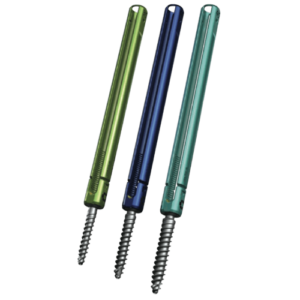 Key Features
 Key Features
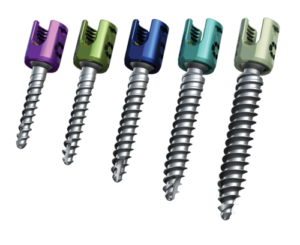 Key Features
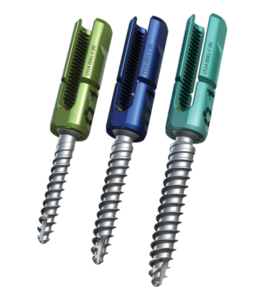 Key Features
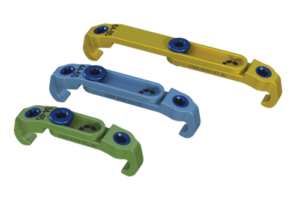 Key Features
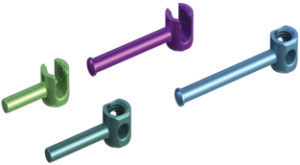 Key Features
 Key Features
 Key Features
 Key Features