Top Orthopedic and Spine Treatments for Back Pain Relief?

Back pain is a pervasive issue, impacting millions globally. According to the American Academy of Orthopaedic Surgeons, approximately 80% of adults experience back pain at some point in their lives. Advances in orthopedic & spine treatments offer hope for many seeking relief. Experts in the field emphasize the importance of a comprehensive approach. Dr. Emily Hart, a renowned orthopedic & spine specialist, states, “Effective management of back pain requires understanding its root causes and addressing them holistically.”

The orthopedic & spine industry has seen innovation in treatment options, including minimally invasive surgeries and advanced physiotherapy techniques. These treatments aim to alleviate pain and improve quality of life. However, not all patients respond the same way. Some individuals may still grapple with pain despite various therapies. It raises questions about our understanding of back pain and its complexities.

A tailored approach is crucial. While some may find relief through surgery, others may benefit from lifestyle changes and physical therapy. The journey to relieve back pain is unique for each person. There’s no one-size-fits-all solution. Finding the right treatment plan can be challenging, but it's essential to continue seeking effective options.

Top Orthopedic and Spine Treatments for Back Pain Relief?

Understanding Back Pain: Causes and Symptoms

Back pain is a common ailment that affects many individuals. It can result from various causes, including muscle strain, herniated discs, or even poor posture. Symptoms often include sharp pain, stiffness, or even a dull ache that persists. Recognizing these signs is crucial for seeking timely treatment.

The effects of back pain can hinder daily activities. Simple tasks like bending over or lifting something may become daunting. Stress and anxiety can also accompany chronic pain, creating a cycle of discomfort. Many people underestimate the impact of back pain on mental health. It's essential to pay attention to these feelings and address them alongside physical symptoms.

Lifestyle choices can exacerbate back pain. Sedentary behavior and lack of exercise contribute to muscle weakness. Conversely, overexertion can lead to injury. Reflecting on daily habits might provide insights into pain triggers. Maintaining a balance through moderate exercise and ergonomic adjustments can be beneficial. Ultimately, understanding back pain is a journey toward better health.

Common Non-Surgical Treatments for Back Pain Relief

Back pain can significantly impact daily life. Luckily, there are various non-surgical treatments available. These methods are designed to alleviate pain and improve mobility. Physical therapy is a common choice. It uses exercises to strengthen the back and core. This approach often enhances flexibility and reduces tension.

Another effective option is chiropractic care. Chiropractors focus on spinal adjustments. This can relieve pressure on nerves and improve alignment. Some patients find immediate relief after an adjustment. Additionally, acupuncture has gained popularity. This ancient technique involves inserting needles at specific points. It may help release endorphins, the body's natural pain relievers.

Medications are also part of the treatment plan. Nonsteroidal anti-inflammatory drugs can reduce pain and swelling. Over-the-counter options are widely used. However, using them for extended periods may lead to side effects. Mindfulness and relaxation techniques, such as yoga, are increasingly recognized. These practices help manage stress, which can worsen back pain. Overall, exploring these non-surgical treatments can be a worthwhile journey.

Top Non-Surgical Treatments for Back Pain Relief

Overview of Orthopedic Interventions for Back Pain

Back pain is prevalent, affecting millions worldwide. According to the Global Burden of Disease Study, low back pain ranks as the leading cause of disability. Interestingly, orthopedic interventions offer various treatments for pain relief. These interventions often include physical therapy, injections, and surgical options.

Physical therapy is crucial. It focuses on exercises to strengthen the back. In some cases, physical therapy alone reduces pain significantly without the need for invasive procedures. A report from the American Physical Therapy Association revealed that 80% of patients eventually find relief through conservative treatments. However, many still opt for quicker fixes or surgery, often before exhausting other options.

Surgical interventions, such as spinal fusion, can be effective but come with risks. Research indicates that 20% of patients may not experience significant relief post-surgery. It raises questions about the necessity of surgery for all patients. The challenge remains: how to educate those suffering about the range of orthopedic interventions available. Balancing options can be complex, and the best approach may not be clear-cut for everyone.

Exploring Spine Surgery Options for Chronic Back Pain

Top Orthopedic and Spine Treatments for Back Pain Relief?

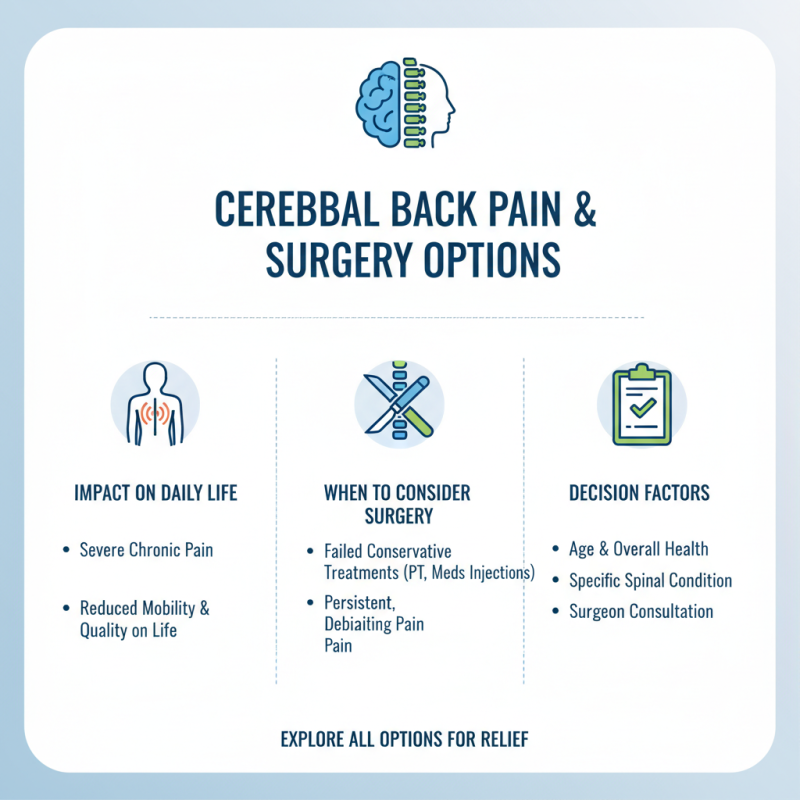
Chronic back pain can severely impact daily life. For those who have not found relief through conservative treatments, exploring spine surgery options may be beneficial. Surgery is often considered when other methods fail to alleviate pain. Factors such as age, overall health, and specific spinal conditions play a vital role in the decision-making process.

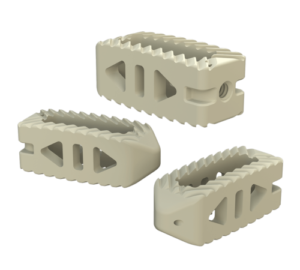
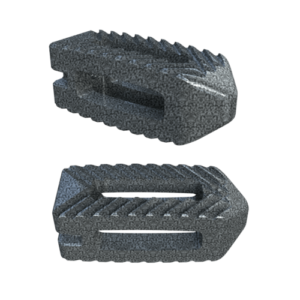
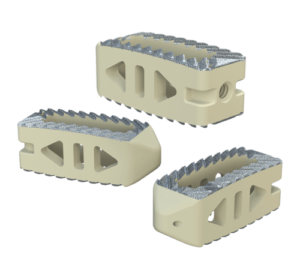
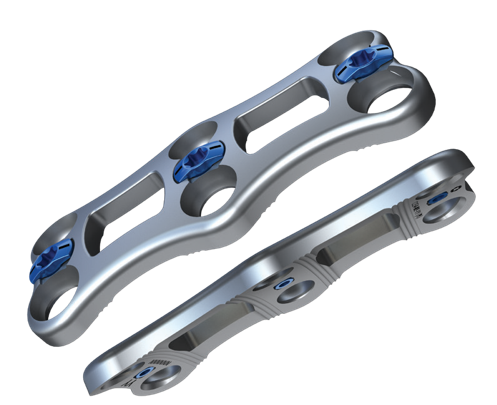
Common surgical procedures include spinal fusion and laminectomy. Spinal fusion stabilizes the spine by fusing vertebrae together. This can reduce pain by limiting movement. Laminectomy involves removing part of the vertebra to relieve pressure. Both procedures aim to improve mobility, but results vary. Some patients might find they still experience discomfort. Recovery can be lengthy and challenging, forcing patients to confront their limits.

Considering surgery requires careful thought. It’s essential to weigh potential benefits against risks. Nerve damage or infection can occur. It’s also important to engage in discussions with healthcare providers to ensure all options, including rehabilitative therapies, have been explored. Pain can feel isolating, yet many patients find solace in shared experiences. This journey is deeply personal; reflection is crucial in finding the best path for relief.

Rehabilitation and Recovery Strategies Post-Treatment

After undergoing orthopedic or spine treatments for back pain, rehabilitation is vital. Patients often need to learn new ways to move. Physical therapy can help restore strength and flexibility. Sessions might include stretching, strengthening exercises, and manual therapy. These techniques can aid in recovery and prevent future pain.

Recovery strategies vary for everyone. Some may feel frustrated with slow progress. It’s common to have setbacks during rehabilitation. Setting realistic goals can help. Patients should celebrate small victories, like increased mobility or reduced pain levels. Staying motivated is crucial. Regular communication with healthcare providers can offer guidance and reassurance.

Incorporating lifestyle changes is also beneficial. Ergonomic adjustments at home and work can reduce strain. Mindfulness practices, such as yoga or meditation, may enhance mental well-being. Balancing activity and rest is essential for recovery. Every individual’s journey is unique, and patience is key throughout this process.