| Quality management system | ISO 13485:2016 | Documented design controls, supplier management, production controls, corrective actions, traceability, and post-market processes. | Quality manual, controlled procedures, internal-audit records, supplier-audit records, CAPA files, and certification by an accredited body where applicable. | Widely recognized as the principal medical-device quality-system standard. |
| General electrical safety | IEC 60601-1 | Protection against electric shock, excessive temperature, mechanical hazards, abnormal operation, and essential-performance failures. | Electrical safety testing, leakage-current testing, dielectric-strength testing, mechanical inspection, and risk-based abnormal-condition tests. | Core safety framework for electrically powered medical equipment in many markets. |
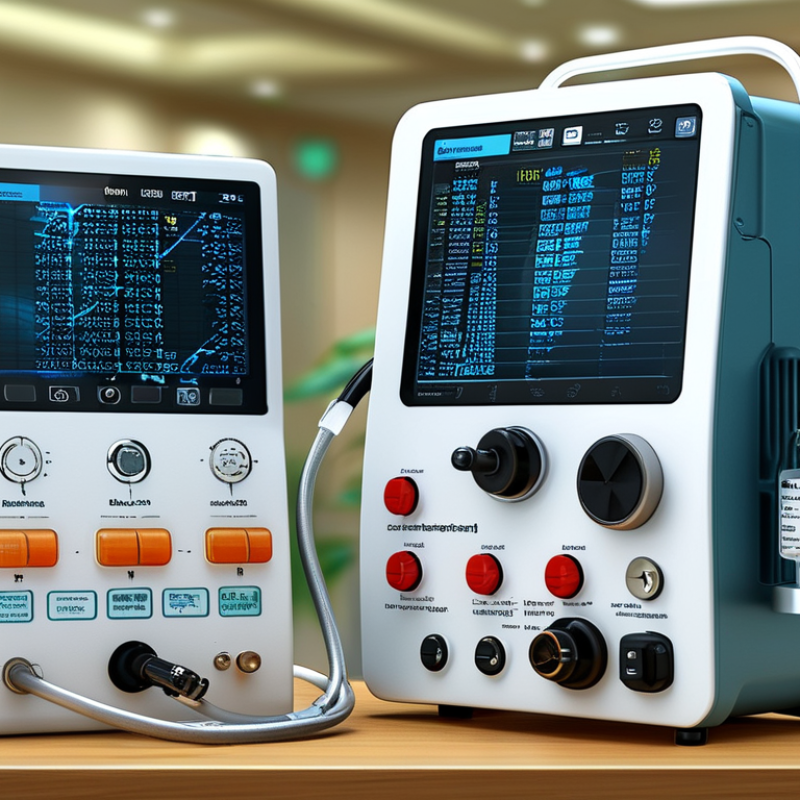
| Particular requirements for infusion equipment | IEC 60601-2-24 | Performance and safety requirements for infusion pumps and controllers, including delivery accuracy, occlusion response, alarm behavior, and protection against hazardous flow conditions. | Flow-rate accuracy tests, occlusion-alarm tests, free-flow assessments, alarm verification, bolus measurements, and fault-condition testing. | Highly relevant when a syringe pump falls within the scope of infusion-pump equipment requirements. |
| Electromagnetic compatibility | IEC 60601-1-2 | The pump must tolerate expected electromagnetic disturbances and must not emit interference that creates unacceptable risk to other equipment. | Radiated and conducted emissions tests, electrostatic-discharge tests, immunity testing, and evaluation of essential performance during disturbances. | Important for hospitals, intensive-care units, operating rooms, and environments containing wireless equipment. |
| Risk management | ISO 14971:2019 | Identification, evaluation, control, and monitoring of risks such as over-infusion, under-infusion, occlusion, incorrect syringe loading, battery failure, and alarm failure. | Risk-management plan, hazard analysis, risk-control measures, verification records, residual-risk evaluation, and production/post-market feedback. | A globally used framework for demonstrating that device risks are controlled throughout the product life cycle. |
| Software and firmware safety | IEC 62304 | Software life-cycle planning, architecture, verification, configuration management, defect handling, and maintenance based on safety classification. | Software requirements, source-code controls, unit and integration tests, cybersecurity-related controls, change records, and release documentation. | Applicable to syringe pumps using embedded software, digital displays, dose calculations, or network connectivity. |
| Usability and human factors | IEC 62366-1 | User-interface design must reduce use errors involving syringe selection, dose-rate entry, alarm recognition, priming, loading, and start/stop functions. | Use-related risk analysis, formative evaluations, simulated-use testing, summative usability validation, and labeling review. | Particularly important because infusion errors can result from both device failure and user interaction. |
| Delivery accuracy | IEC 60601-2-24 and validated manufacturer specifications | The pump should deliver the programmed volume and rate within declared tolerances across applicable syringe sizes, flow rates, temperatures, pressures, and battery conditions. | Gravimetric or volumetric testing, start-up and trumpet-curve analysis, repeated measurements, calibration records, and acceptance criteria. | A central purchasing and acceptance criterion for clinical infusion applications. |
| Alarm and occlusion protection | IEC 60601-2-24, IEC 60601-1, and risk-management documentation | Visual and audible alarms should identify occlusion, near-end or end-of-infusion, empty battery, incorrect syringe installation, door or clamp problems, and system faults as applicable. | Alarm-priority tests, occlusion-threshold measurements, alarm-volume verification, muted-alarm timing checks, and fault-injection tests. | Essential for preventing delayed treatment, unexpected bolus delivery, and interruption of critical medication. |
| Biocompatibility of patient-contacting materials | ISO 10993 series | Materials in the fluid path or patient-contacting components must be evaluated according to contact type, duration, and biological risk. | Material specifications, biological-evaluation plans, chemical characterization, extractables and leachables assessment, and applicable biological testing. | Relevant to disposable syringes, tubing, connectors, seals, and other components used with the pump system. |
| Sterilization and contamination control | ISO 11135, ISO 11137, ISO 17665, or applicable validated process standards | Any sterile disposable component must use a validated sterilization process, controlled environmental conditions, and documented sterility assurance. | Sterilization validation, bioburden testing, environmental monitoring, process records, and sterility-assurance documentation. | Applies mainly to sterile single-use syringes, extension sets, and accessories rather than the reusable pump body. |
| Packaging and shelf life | ISO 11607 series | Sterile-barrier packaging must maintain integrity through sterilization, transport, storage, and the labeled shelf life. | Package-integrity testing, seal-strength testing, aging studies, transport simulation, and visual inspection criteria. | Important for sterile accessories and packaged disposable infusion components. |
| Electrical power and battery performance | IEC 60601-1, IEC 60601-1-2, applicable battery and transport requirements | The device should provide predictable operation during mains failure, battery depletion, charging, and battery replacement or servicing. | Battery-runtime testing, charging-cycle tests, low-battery alarm verification, power-interruption tests, and thermal assessment. | Critical for mobile care, emergency transport, intensive care, and areas with unstable power supply. |
| Regulatory conformity in the United States | U.S. medical-device regulations and applicable FDA premarket pathway | The product must meet the applicable classification, premarket submission, labeling, registration, listing, quality-system, and post-market requirements. | Premarket documentation, substantial-equivalence or other applicable submission evidence, labeling, complaint records, and inspection readiness. | Required for lawful commercialization in the United States; the exact pathway depends on device classification and intended use. |
| Regulatory conformity in the European Union | Regulation (EU) 2017/745 on medical devices | Manufacturers must establish device classification, technical documentation, clinical evaluation, risk management, post-market surveillance, and conformity assessment. | Technical file, declaration of conformity, clinical evaluation, post-market plan, and notified-body assessment when required. | Required for access to the EU market; the assessment route depends on classification and device characteristics. |
| Traceability and post-market surveillance | ISO 13485, ISO 14971, and applicable national regulations | Manufacturers should monitor complaints, adverse events, service data, trend signals, recalls, and corrective actions throughout the product life cycle. | Unique-device or lot records where required, complaint files, vigilance reports, field-safety notices, trend analyses, and CAPA effectiveness checks. | Supports rapid investigation and corrective action across hospitals, distributors, and service networks worldwide. |




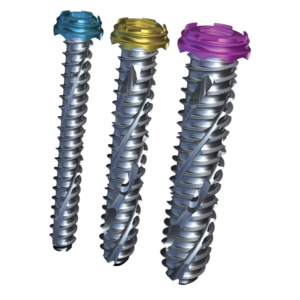

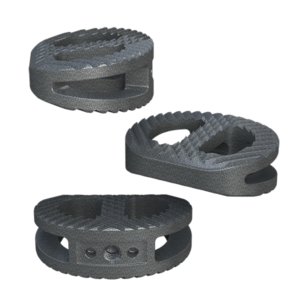 System Features
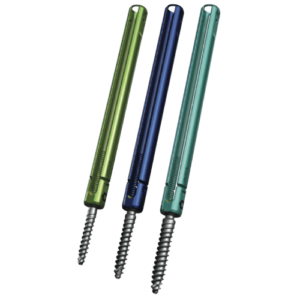 Key Features
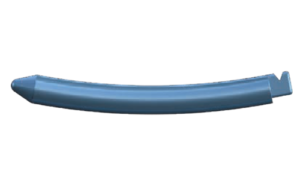 Key Features
 Key Features
 Key Features
 Key Features
 Key Features
 Key Features
 Key Features
 Key Features