| Raw Material Origin | Clearly identified botanical source, most commonly chicory root or Jerusalem artichoke | Country-of-origin statement, raw-material specification, traceability records and harvest information | Supports ingredient authenticity, supply-chain transparency and origin-specific labeling requirements |
| Inulin Content | A defined minimum purity level, commonly specified at 90% or higher on a dry basis for standard commercial powders | Batch-specific certificate of analysis showing inulin or fructan content and the analytical method used | Confirms that the material meets formulation, nutrition and cost-performance expectations |
| Degree of Polymerization | Declared chain-length profile, such as short-chain, long-chain or high-performance inulin; commercial inulin may contain varying chain lengths | Technical data sheet with degree-of-polymerization information or chromatographic profile | Affects sweetness, solubility, mouthfeel, digestive tolerance and suitability for beverages, dairy products or bakery applications |
| Moisture | A controlled maximum commonly stated in the product specification, often around 5% or lower depending on grade | Certificate of analysis, validated moisture test method and storage-stability data | Helps reduce caking, microbial risk and loss of flowability during transport and storage |
| Appearance and Color | Free-flowing powder with a consistent white to cream color and no visible foreign matter | Approved product specification, retained sample procedure and batch inspection record | Protects finished-product appearance and helps identify contamination or process variation |
| Solubility and Dispersibility | Performance suitable for the intended application, with test conditions defined for temperature, concentration and mixing time | Application data, solubility test results and recommended processing instructions | Determines whether the powder can be used effectively in nutrition powders, beverages, dairy products or baked goods |
| Microbiological Safety | Compliance with the importing market and the agreed product specification; commonly reviewed parameters include total plate count, yeast and mold, coliforms, Escherichia coli and Salmonella | Batch microbiological report from an accredited or qualified laboratory; Salmonella is frequently required to be absent in the tested sample | Reduces food-safety risk and supports regulatory clearance in different markets |
| Heavy Metals and Contaminants | Results meeting the legal limits of the destination market for lead, cadmium, arsenic, mercury, pesticides and other relevant contaminants | Recent laboratory reports, contaminant-control plan and compliance statement referencing applicable regulations | Maximum limits differ by jurisdiction, so destination-specific verification is essential |
| Food-Safety Certification | A documented food-safety management system such as HACCP, ISO 22000 or FSSC 22000, supported by valid certification where applicable | Current certificate, scope of certification, audit status and issuing certification body | Demonstrates structured control of biological, chemical and physical hazards |
| GMP and Hygiene Controls | Documented good manufacturing practices covering sanitation, personnel hygiene, pest control, equipment maintenance and process control | GMP certificate or audit report, sanitation records and corrective-action documentation | Shows that production conditions are controlled consistently from receiving through packaging |
| Allergen Management | A written allergen statement covering the product, shared equipment and manufacturing environment | Allergen declaration, production-flow diagram, cleaning validation and cross-contact control procedure | Supports accurate labeling and helps protect consumers with food allergies |
| GMO and Organic Status | Status clearly declared as conventional, non-GMO or organic; certification should be provided when a claim is made | Non-GMO statement, organic certificate, transaction certificate or identity-preservation records where relevant | Enables lawful marketing claims and prevents unsupported statements on product labels |
| Additives and Processing Aids | Ingredient composition disclosed in full; no undeclared carriers, anti-caking agents, preservatives or processing aids | Full ingredient statement, manufacturing-process description and product specification | Important for clean-label products, vegan formulations and customers with specific dietary requirements |
| Packaging Integrity | Food-contact packaging that protects the powder from moisture, oxygen, contamination and physical damage | Packaging specification, food-contact declaration, seal-integrity checks and packing photographs or inspection records | Preserves product quality throughout international shipping and warehouse handling |
| Shelf Life and Storage | A validated shelf life stated with storage conditions, commonly requiring a cool, dry environment and protection from humidity | Stability data, expiry-date policy, recommended storage conditions and transport requirements | Helps buyers manage inventory, reduce caking and maintain specification compliance until expiry |
| Batch Traceability | Unique lot identification linking raw materials, production records, test results, packaging and shipment details | Traceability procedure, lot coding example, mock-recall results and certificate-of-analysis records | Enables rapid investigation, targeted recalls and reliable quality claims |
| Certificate of Analysis | Provided for every shipment or batch, with results compared against the approved product specification | Signed or electronically verified COA listing identity, purity, moisture, microbiology and relevant contaminant tests | Provides batch-level confirmation instead of relying only on a general technical data sheet |
| Regulatory Documentation | Documentation aligned with the buyer's destination market, intended use and product category | Specification, safety data sheet where applicable, regulatory statement, labeling information and customs documents | Reduces delays caused by missing import, food-labeling or ingredient-compliance information |
| Application Support | Technical guidance for dosage, hydration, mixing order, heat processing and compatibility with the finished product | Application guide, sample-development support, formulation data and response-time commitment | Improves scale-up success and helps buyers select the correct chain-length profile and grade |
| Supply Reliability | Documented production capacity, lead time, minimum order quantity and contingency planning | Capacity statement, delivery-performance records, business-continuity plan and agreed service levels | Supports stable production planning and reduces the risk of stockouts for global buyers |






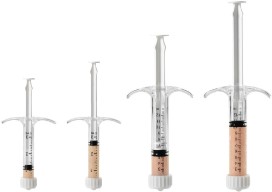
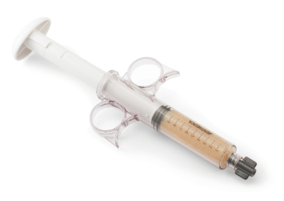


 System Features
 Key Features
 Key Features
 Key Features
 Key Features
 Key Features
 Key Features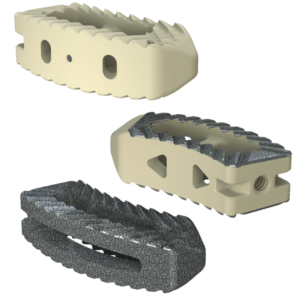
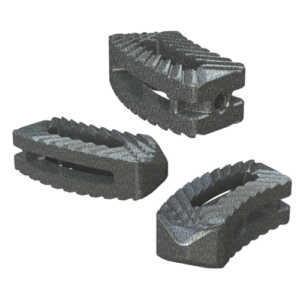






 Key Features
 Key Features
 Key Features