| Supplier identity and legal standing |
Registered legal name, business address, company registration details, and relevant medical-device distribution permissions. |
Check the supplier against the applicable national business registry and medical-device regulator records. Confirm that the contracting entity matches the invoicing entity. |
Unverifiable registration, inconsistent addresses, or requests to pay an unrelated individual or entity. |
Proceed only when the supplier’s identity and role in the supply chain can be independently confirmed. |
| Authorization and supply-chain role |
Current authorization or appointment documentation, plus details of the manufacturer, distributor, and any intermediary involved. |
Confirm authorization directly with the relevant manufacturer or its verifiable official contact channel. Check that the document covers the intended territory and product category. |
Expired, altered, overly broad, or territory-inconsistent documents; refusal to identify upstream sources. |
Use a supplier whose authority and position in the distribution chain are documented for the destination market. |
| Market authorization and regulatory status |
Applicable registration, listing, approval, or conformity documentation for the destination country or region. |
Search the relevant regulator’s public database where available. Verify the product description, legal manufacturer, status, and intended market directly against official records. |
Claims of universal approval, documents for a different market, or a product status that cannot be confirmed. |
Confirm that the specific device and supply route meet the rules in the country where the device will be placed on the market or used. |
| Product identity and authenticity |
Product catalogue number, device description, packaging photographs, unique device identification (UDI) where applicable, and lot or serial information. |
Compare identifiers and packaging details with official product documentation. Validate UDI information through the applicable official database when available. |
Missing or inconsistent identifiers, altered labels, mismatched packaging, or identifiers that cannot be validated. |
Accept products only when their identity can be reconciled across the label, documentation, and traceability records. |
| Lot-level traceability |
Lot or serial number, shipment records, invoices, and a documented path from the original supply source to the receiving facility. |
Match the identifiers across shipping, commercial, and receiving records. Retain records according to applicable local requirements and facility policy. |
Broken chain of custody, missing lot information, or records that do not match the physical packaging. |
Maintain a retrievable record linking each received device to its supplier and shipment. |
| Sterile status and packaging integrity |
Labelled sterile status, sterilization information where applicable, expiry date, and package-handling requirements. |
Inspect packaging on receipt and verify that the label and accompanying instructions match the product. Follow the stated storage and handling requirements. |
Damaged, wet, opened, or tampered packaging; missing expiry information where required; unclear sterile status. |
Quarantine and investigate any product with compromised packaging or uncertain sterile status; do not use it until resolved. |
| Quality-system documentation |
Relevant quality-system certificates, their scope, issuing body, validity dates, and applicable audit or compliance information. |
Verify certificate status with the issuing body or its official database. Confirm that the certificate applies to the relevant legal entity and activities. |
Expired certificates, unverifiable issuers, or scope that does not cover the claimed activity. |
Treat certificates as supporting evidence, not as proof of product authorization or authenticity by themselves. |
| Transport, import, and storage controls |
Shipping route, customs and import documentation, packaging requirements, and any specified storage conditions. |
Review shipment records and receiving inspection results. Confirm import and distribution requirements with the competent authority or qualified local adviser. |
Unexplained route changes, incomplete import records, or evidence of storage outside specified conditions. |
Document that the product was lawfully imported, handled, and stored in accordance with its labelling and local rules. |
| Post-market support and recalls |
Contact details for safety notices, complaint handling, field actions, and device-related inquiries. |
Test the escalation route before placing an order and confirm how lot-specific safety notices will reach the receiving organization. |
No reliable contact, unclear responsibility for complaints, or inability to identify affected lots. |
Prefer suppliers able to support timely communication, complaint escalation, and lot-specific corrective actions. |












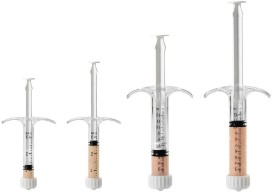
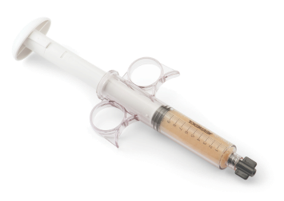


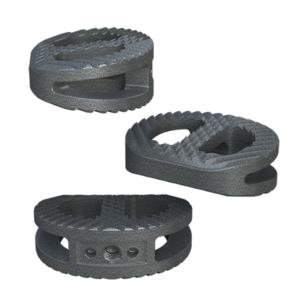 System Features
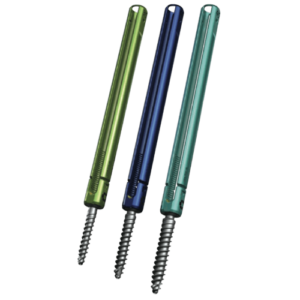 Key Features
 Key Features
 Key Features
 Key Features
 Key Features
 Key Features
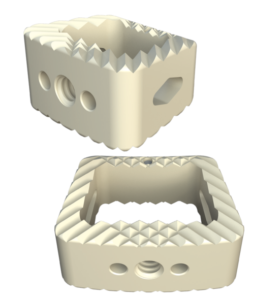 Key Features
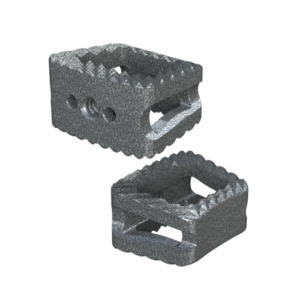 Key Features
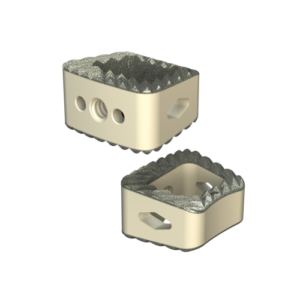 Key Features