| Standard bovine collagen peptides General-purpose grade | Bovine hide or split hide collagen, enzymatically hydrolysed and spray-dried. | Predominantly Type I collagen peptides; non-gelling after hydrolysis. | Approximately 2,000–5,000 Da, depending on the hydrolysis process. | Usually 90–97% protein on a dry basis; confirm the calculation basis on the specification sheet. | White to pale cream powder; readily soluble in warm water and generally soluble in cold water with suitable agitation. | Certificate of Analysis; protein assay; moisture; ash; pH; solubility; total plate count; yeast and mould; absence or limits for specified pathogens; heavy metals; residual solvents; bovine-origin and traceability statement. | Approximately US$8–18/kg Full-container or pallet quantities | Nutrition powders, beverages, bars, capsules, and general food formulations. |
| Low-molecular-weight bovine peptides Fast-dissolving grade | Purified bovine hide collagen subjected to more extensive enzymatic hydrolysis and membrane or process control. | Mainly Type I collagen-derived peptides with a narrower peptide-size distribution. | Approximately 500–2,000 Da; the reported value should identify the analytical method used. | Commonly 90–97% protein on a dry basis, subject to formulation aids and processing conditions. | Fine, low-odour powder with rapid dispersion; solubility should be tested at the intended dosage, temperature, and pH. | Molecular-weight distribution by SEC-HPLC or an equivalent validated method; protein; moisture; microbiology; heavy metals; allergen statement; country-of-origin and traceability records. | Approximately US$14–28/kg Price varies with peptide-size control | Ready-to-mix drinks, sachets, clear beverages, functional foods, and premium supplement formulas. |
| Instantized bovine collagen peptides Improved dispersibility grade | Standard bovine collagen peptides with agglomeration or other physical processing to improve wetting and dispersion. | Usually Type I collagen peptides; the instantized process does not necessarily change the peptide composition. | Typically 2,000–5,000 Da, unless a low-molecular-weight specification is separately requested. | Generally 90–97% protein on a dry basis. | Better wetting and reduced floating or lumping compared with a non-instantized powder; verify dispersibility in the final beverage matrix. | Dispersion or sinking-time test; particle-size distribution; bulk density; moisture; protein; microbiology; heavy metals; flowability; packaging-integrity assessment. | Approximately US$11–23/kg Processing and packaging can increase cost | Single-serve sticks, vending products, instant beverages, and dry-blend applications. |
| Neutral-taste and low-odour grade Sensory-controlled grade | Food-grade bovine collagen peptides with additional purification, deodorisation, or tighter process controls. | Typically Type I collagen peptides; sensory performance depends on raw material, hydrolysis, purification, and storage. | Commonly 2,000–5,000 Da, with the actual distribution stated in the technical data sheet. | Usually 90–97% protein on a dry basis. | White or pale cream powder with low detectable bovine notes; sensory testing should be performed in the target finished product. | Sensory panel or internal organoleptic specification; protein; moisture; ash; microbiology; heavy metals; peroxide value where relevant; residual cleaning agents or solvents where applicable. | Approximately US$16–32/kg More stringent sensory requirements may raise cost | Flavoured drinks, gummies, dairy-style products, beauty-from-within products, and products with limited masking flavour. |
| Halal or Kosher-compliant bovine collagen Religious-compliance grade | Bovine hide collagen processed under documented controls for the applicable religious certification requirements. | Usually Type I collagen peptides; certification applies to the ingredient process and supply chain, not only to the collagen source. | Commonly 2,000–5,000 Da; obtain the declared test method and acceptance range. | Typically 90–97% protein on a dry basis. | White to pale cream powder; solubility and sensory properties depend on the selected processing grade. | Current Halal or Kosher certificate; certificate of origin; segregation and cleaning records; full ingredient declaration; Certificate of Analysis; microbiology; heavy metals; bovine traceability. | Approximately US$12–26/kg Certification and segregated handling may add cost | Products intended for markets or consumers requiring Halal or Kosher compliance. |
| Food-grade collagen with enhanced traceability Audited supply-chain grade | Bovine hide collagen with documented slaughterhouse, rendering, processing, batch, and packaging traceability. | Usually Type I collagen peptides; product identity should be supported by source and process documentation. | Often 2,000–5,000 Da; a narrower range may be available by specification. | Commonly 90–97% protein on a dry basis. | White to pale cream powder; physical properties should be verified for each production lot. | Supplier questionnaire; food-safety certification; batch traceability; bovine species statement; country of origin; allergen and GMO statements; Certificate of Analysis; microbiology; heavy metals; authenticity or identity testing where required. | Approximately US$15–30/kg Audit and documentation level affects pricing | Retail supplements, regulated food channels, import-sensitive markets, and customers requiring detailed supplier qualification. |
| Pharmaceutical or tightly controlled grade Higher documentation grade | Highly controlled bovine collagen peptides manufactured with tighter process, contamination, and documentation requirements. | Collagen-derived peptides with defined identity, purity, and process controls; exact requirements depend on the intended use. | Product-specific; commonly within approximately 500–5,000 Da, with validated analytical reporting. | Often 95% or higher protein, but the acceptance criterion must be confirmed in the approved specification. | Consistent powder characteristics with controlled microbial and chemical quality attributes. | Validated analytical methods; identity; assay or protein; peptide-size distribution; bioburden; specified pathogens; heavy metals; residual solvents; stability data; change-control procedure; GMP-related documentation where applicable. | Approximately US$25–60+/kg Not equivalent to a finished pharmaceutical approval | Highly controlled nutraceutical, medical-nutrition, research, or regulated formulation projects requiring extensive qualification. |




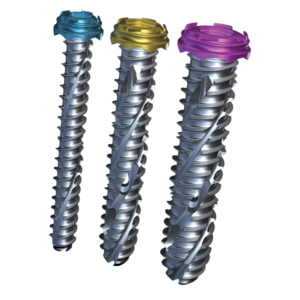

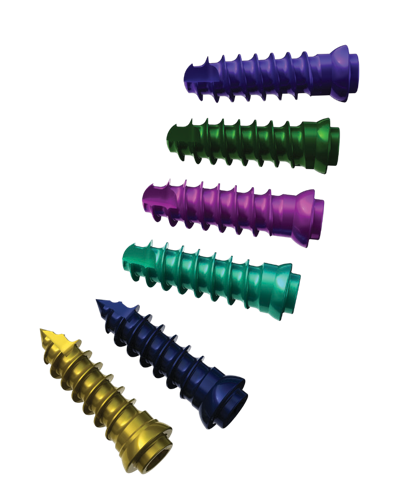
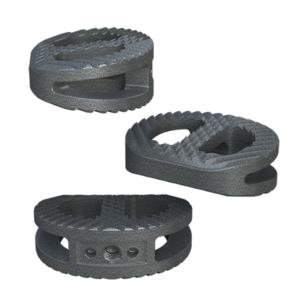 System Features
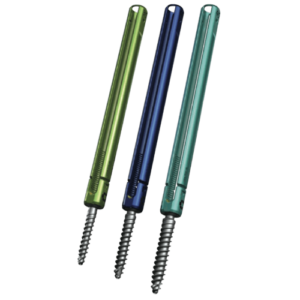 Key Features
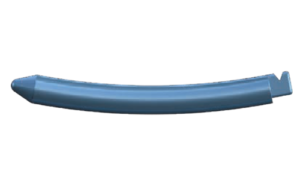 Key Features
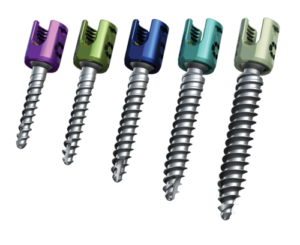 Key Features
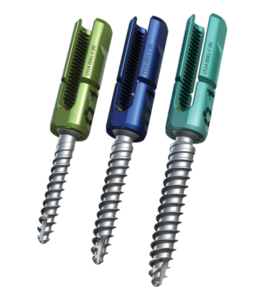 Key Features
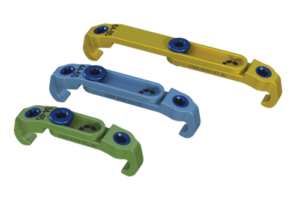 Key Features
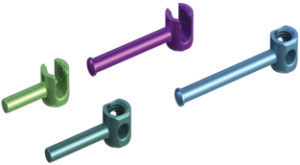 Key Features
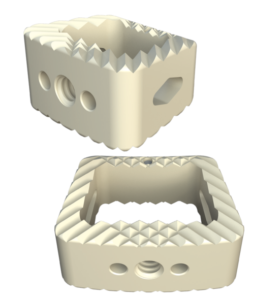 Key Features
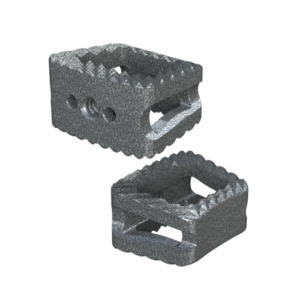 Key Features
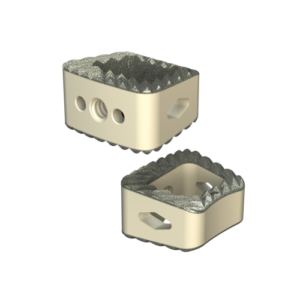 Key Features